A wireless security camera system offers a flexible and powerful solution for securing your home or business, providing high-quality surveillance with a simple installation process. These systems eliminate the need for extensive cabling, making them ideal for both homeowners seeking peace of mind and business owners protecting assets. Understanding the distinction between wire-free and wireless cameras, along with key features like resolution and night vision, is crucial for selecting the right system.
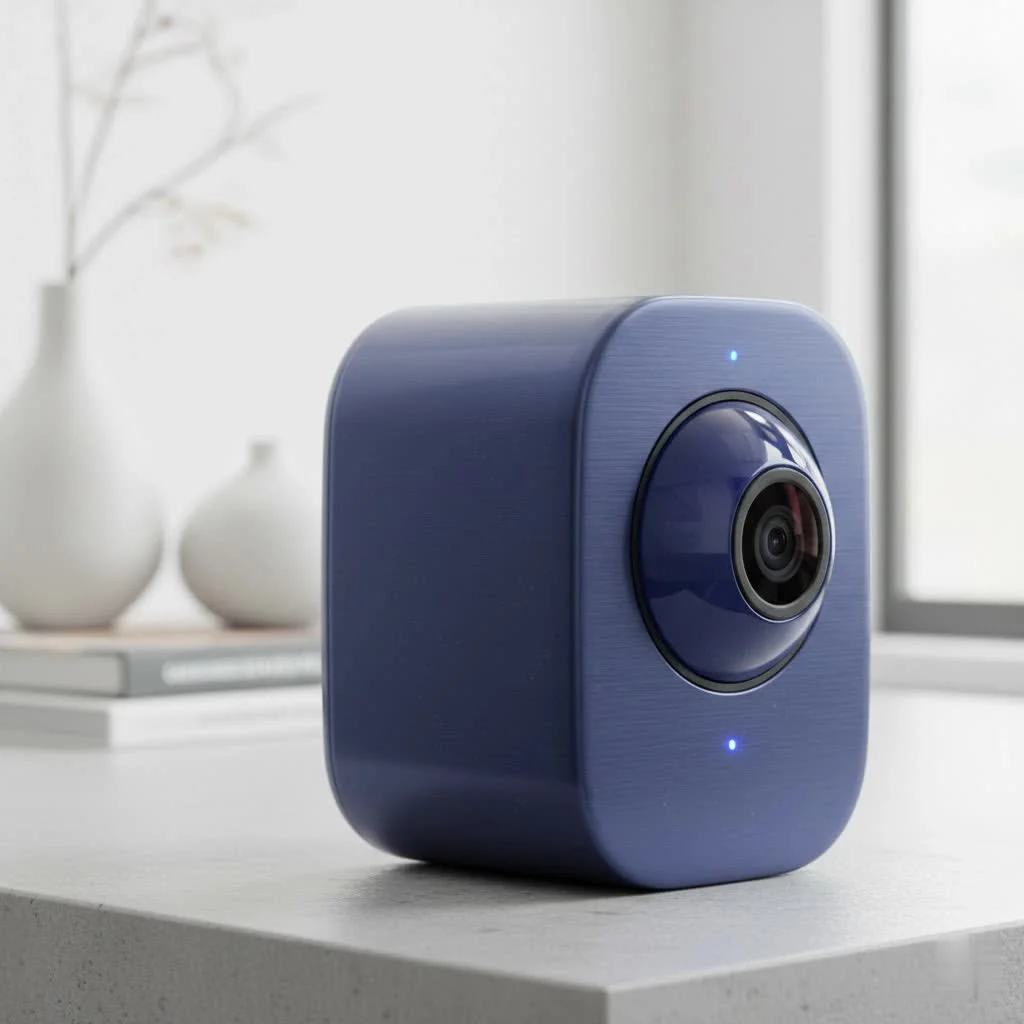 security camera system components” style=”margin: 20px auto;width: 800px;max-width: 100%;height: auto” />
What Does a “Wireless” Security Camera System Truly Mean?
The term “wireless” in security cameras often leads to confusion, as it can refer to two distinct types of technology: For see our home recommendations on this site.
Wire-Free vs. Wireless Cameras
- Wire-Free Cameras: These cameras are 100% wireless, operating on rechargeable batteries and connecting to your network via Wi-Fi. They offer maximum flexibility, allowing placement virtually anywhere within Wi-Fi range without needing a power outlet.
- Wireless Cameras: These cameras connect to your network wirelessly via Wi-Fi but still require a power cord plugged into an electrical outlet. This eliminates data cables but restricts placement to areas near a power source.
As security specialist Jonathan Reed notes, “The biggest mistake people make is not planning for power. A ‘wireless’ camera still needs electricity. A ‘wire-free’ camera gives you ultimate freedom, but you have to be mindful of battery life.”
Key Features to Demand in Your System
To ensure a reliable and effective system, focus on these core features when selecting a wireless security camera system:
Video Resolution: The Clearer, The Better
Resolution dictates video clarity. While older systems used standard definition, High Definition (HD) is now the baseline.
- 1080p (Full HD): This resolution provides clear images, sufficient for identifying faces and license plates at a reasonable distance.
- 2K (1440p) and 4K (2160p): These ultra-high-definition resolutions offer superior clarity and detail, particularly useful for zooming in on recorded footage without pixelation.
Night Vision: See in the Dark
Night vision is essential for 24/7 surveillance. Most cameras use infrared (IR) LEDs for black-and-white images. More advanced options provide color night vision, utilizing ambient light for full-color, detailed images.
Field of View
Measured in degrees, the field of view determines the area a single camera covers. A wider field of view (e.g., 130-160 degrees) reduces the number of cameras needed for large areas, while a narrower view suits specific entry points.
Motion Detection and Alerts
Modern wireless security camera systems feature advanced motion detection, often using AI to distinguish between people, animals, and vehicles. This reduces false alarms and sends instant smartphone notifications when relevant events occur, allowing for live viewing and immediate action.
Two-Way Audio
|
Our Picks for the Best Security Camera in 2026
As an Amazon Associate I earn from qualifying purchases.
|
||
| Num | Product | Action |
|---|---|---|
| 1 | Tapo TP-Link 2K Pan/Tilt Indoor Security Camera for Baby Monitor, Pet Camera, Motion Detection & Tracking, 2-Way Audio, Cloud & SD Card Storage, Works w/Alexa & Google Home, Black, C211(2-Pack) |

|
| 2 | WYZE Cam Pan v3 Indoor/Outdoor IP65-Rated 1080p Pan/Tilt/Zoom Wi-Fi Smart Home Security Camera with Color Night Vision, 2-Way Audio, Compatible with Alexa & Google Assistant, White, 2-Pack |
|
| 3 | Security Cameras Wireless Outdoor,2K Indoor WiFi Wireless Cameras,Outside Battery Powered Camera for Home Security,AI Motion Detection,Color Night Vision,Spotlight,Siren Alarm,SD/Cloud Storage,2 Pack |
|
| 4 | Tapo 2K Pan/Tilt Security Camera for Baby Monitor, Dog Camera w/Motion Detection, 2-Way Audio Siren, Night Vision, Cloud&SD Card Storage, Works w/Alexa & Google Assistant, 2-Pack (Tapo C210P2) |
|
| 5 | Security Cameras Wireless Outdoor-Solar&Battery Powered 2K 2.4G Cameras for Home Security, Instant Alert, AI Human Detection, Color Night Vision, 2-Way Talk, SD Storage, Work with Alexa, Z1 4P |
|
| 6 | REOLINK 4K PoE Security Camera System Wired, 8pcs 8MP PoE Cameras, Smart Person/Vehicle Detection, 16CH NVR with 4TB HDD, H.265, 24/7 Recording, High Bitrate & Clear Stream, RLK16-800D8 |
|
| 7 | TP-Link Tapo 1080P Indoor Security Camera for Baby Monitor, Dog Camera w/Motion Detection, 2-Way Audio Siren, Night Vision, Cloud & SD Card Storage, Works w/Alexa & Google Home (Tapo C100) |
|
| 8 | WYZE Bulb Cam Security Camera, 2K HD Outdoor Light Bulb Camera, Color Night Vision, Dimmable LED Bulb, Motion Detection, Siren Alarm, Works w/Alexa/Google Assistant. Free Expert Support |
|
| 9 | WYZE Cam v4 (Latest Model), 2.5K AI Security Camera, Indoor/Outdoor Cameras for Home Security, Baby Monitor & Pet Camera, Vibrant Color Night Vision, No Subscription Required, Free Expert Help |
|
| 10 | Kasa Smart Indoor Pan-Tilt Home Security Camera, 1080p HD Dog Camera w/Night Vision, Motion Detection for Baby & Pet Monitor, Cloud & SD Card Storage, Works w/ Alexa & Google Home, 2.4G WiFi (EC71) |
|
This feature integrates a microphone and speaker, enabling you to hear and speak through the camera via your smartphone app. It’s useful for communicating with delivery drivers, greeting visitors, or deterring intruders.
Storage Wars: Cloud vs. Local Storage
Footage storage is critical, with two primary options:
| Feature | Cloud Storage | Local Storage |
|---|---|---|
| Accessibility | Access footage from anywhere with an internet connection. | Typically requires being on the same local network, unless configured for remote access. |
| Security | Footage is safe from physical theft or damage to the recorder. | The physical storage device (NVR, SD card) could be stolen or damaged. |
| Cost | Usually requires a monthly or annual subscription fee per camera. | A one-time cost for the storage device (NVR/DVR or microSD card). |
| Bandwidth Use | Continuously uploads footage to the internet, which can slow down your network. | Records directly to the device, using minimal internet bandwidth except for remote viewing. |
Many systems offer a hybrid approach, combining microSD card local backup with a cloud service for critical event clips.
How to Install Your Wireless Security Camera System
The ease of installation is a major advantage of a wireless security camera system. Here’s a simple step-by-step guide:
- Plan Your Camera Placement: Identify key vulnerable spots like front/back doors, ground-floor windows, and the garage. Ensure strong Wi-Fi signal at each location.
- Charge Your Cameras: Fully charge wire-free camera batteries before mounting.
- Set Up the Hub/Base Station: Connect the base station to your router following manufacturer instructions.
- Pair Your Cameras: Use the mobile app to sync each camera to the base station, typically by pressing a sync button on both devices.
- Mount the Cameras: Securely mount cameras in planned locations using provided hardware. Position them high enough to be out of reach but angled to capture faces.
- Configure Your Settings: Customize settings in the app, including motion detection zones, recording schedules, and notification preferences.
Pro Tip: Before permanent mounting, use the live view feature on your app to verify camera angle and Wi-Fi strength at the desired location to avoid later adjustments.
Frequently Asked Questions (FAQ)
How long do the batteries last on wire-free cameras?
Battery life for wire-free cameras typically ranges from 2 to 6 months on a single charge, depending on usage, settings, and environmental factors. High-traffic areas and frequent live streaming will deplete the battery more quickly.
Do wireless security cameras work without an internet connection?
Most wireless security camera systems require an active internet connection for remote alerts, live viewing, and cloud storage. However, systems with local storage can continue to record to an NVR or SD card even if the internet is down, though remote access will be unavailable.
Can a wireless security camera system be hacked?
Any internet-connected device carries a hacking risk. To protect your wireless security camera system, use strong, unique passwords, enable two-factor authentication (2FA), and regularly update camera firmware to patch security vulnerabilities.
How far can a wireless camera be from the base station or router?
The range of a wireless camera from its base station or router typically spans 50-150 feet in a residential setting, depending on Wi-Fi strength and physical obstructions like brick walls. It is recommended to test the connection strength at the intended location before permanent installation.
Do I need a subscription for my system?
Whether a subscription is needed depends on the brand and your storage preferences. Many systems require a monthly subscription for cloud storage and advanced AI features, but numerous options exist that function effectively using only local storage without recurring fees.
Conclusion: Securing Your Peace of Mind
Investing in a wireless security camera system is a proactive step towards protecting what matters most. By prioritizing key features like high-resolution video, reliable night vision, and smart motion detection, you can build a formidable security network. Whether you opt for the subscription-based convenience of cloud storage or the one-time cost of a local NVR, the ease of installation and flexible placement make wireless systems an ideal choice for the modern home or business. Take the time to plan your setup, choose the right features, and enjoy the confidence that comes with having a watchful eye on your property, 24/7.
Frequently Asked Questions
How long do the batteries last on wire-free cameras?
Battery life for wire-free cameras typically ranges from 2 to 6 months on a single charge, depending on usage, settings, and environmental factors. High-traffic areas and frequent live streaming will deplete the battery more quickly.
Do wireless security cameras work without an internet connection?
Most wireless security camera systems require an active internet connection for remote alerts, live viewing, and cloud storage. However, systems with local storage can continue to record to an NVR or SD card even if the internet is down, though remote access will be unavailable.
Can a wireless security camera system be hacked?
Any internet-connected device carries a hacking risk. To protect your wireless security camera system, use strong, unique passwords, enable two-factor authentication (2FA), and regularly update camera firmware to patch security vulnerabilities.
How far can a wireless camera be from the base station or router?
The range of a wireless camera from its base station or router typically spans 50-150 feet in a residential setting, depending on Wi-Fi strength and physical obstructions like brick walls. It is recommended to test the connection strength at the intended location before permanent installation.
Do I need a subscription for my system?
Whether a subscription is needed depends on the brand and your storage preferences. Many systems require a monthly subscription for cloud storage and advanced AI features, but numerous options exist that function effectively using only local storage without recurring fees.
How to Install Your Wireless Security Camera System
Installing a wireless security camera system is straightforward, offering flexible placement and easy setup for home or business security.
Walk around your property to identify key vulnerable spots such as doors, windows, and the garage. Ensure each planned location has a strong Wi-Fi signal for optimal performance.
If using wire-free cameras, fully charge their batteries before mounting. Connect the system's base station to your router and follow the manufacturer's instructions to bring it online.
Use the mobile app to sync each camera to the base station, typically by pressing a sync button on both devices. Securely mount the cameras in your chosen locations, positioning them high enough to be out of reach but angled to capture faces.
Access the mobile app to customize your system. Set up motion detection zones to minimize false alerts, schedule recording times, and adjust notification preferences to suit your security needs.
Get our weekly buyer guide
Practical specs, not advice. Unsubscribe anytime.
As a homeowner, I was looking for something simple but effective to keep an eye on my property. The information about systems ideal for home use, especially those with easy DIY installation, was spot on. I ended up getting a system that connects directly to my Wi-Fi, and it’s been fantastic. The live view on my phone gives me so much peace of mind when I’m away.
I was so confused about the ‘wire-free’ vs. ‘wireless’ distinction before reading this. My old system was a nightmare with all the cables. I ended up getting a Reolink Argus 3 Pro based on the recommendations for wire-free options, and the installation was a breeze. The battery life is surprisingly good, and the app is user-friendly. Definitely recommend going wire-free for true flexibility.
I got a budget-friendly wireless system, and while the setup was easy, I’m a bit disappointed with the motion detection. It sometimes misses things, especially at the edges of the frame, which is frustrating. I wish I had paid more attention to the advice about advanced motion sensing features. Next time, I’ll definitely invest in a system with more reliable detection to avoid these blind spots.
I’ve been looking to upgrade my business’s security, and the section on high-resolution cameras really helped me narrow down my choices. I needed something with clear imaging, even at night, to monitor our inventory. The night vision capabilities discussed were a key factor in my decision. I’m now leaning towards a system with 4K resolution for maximum detail. It’s a significant investment, but worth it for peace of mind.