The best wired security camera system for unmatched reliability is typically a Power over Ethernet (PoE) IP camera system, which offers superior stability, consistent power, and enhanced security compared to wireless alternatives. These systems utilize Ethernet cables for both data and power, eliminating Wi-Fi vulnerabilities and battery concerns, making them the professional’s choice for robust surveillance.
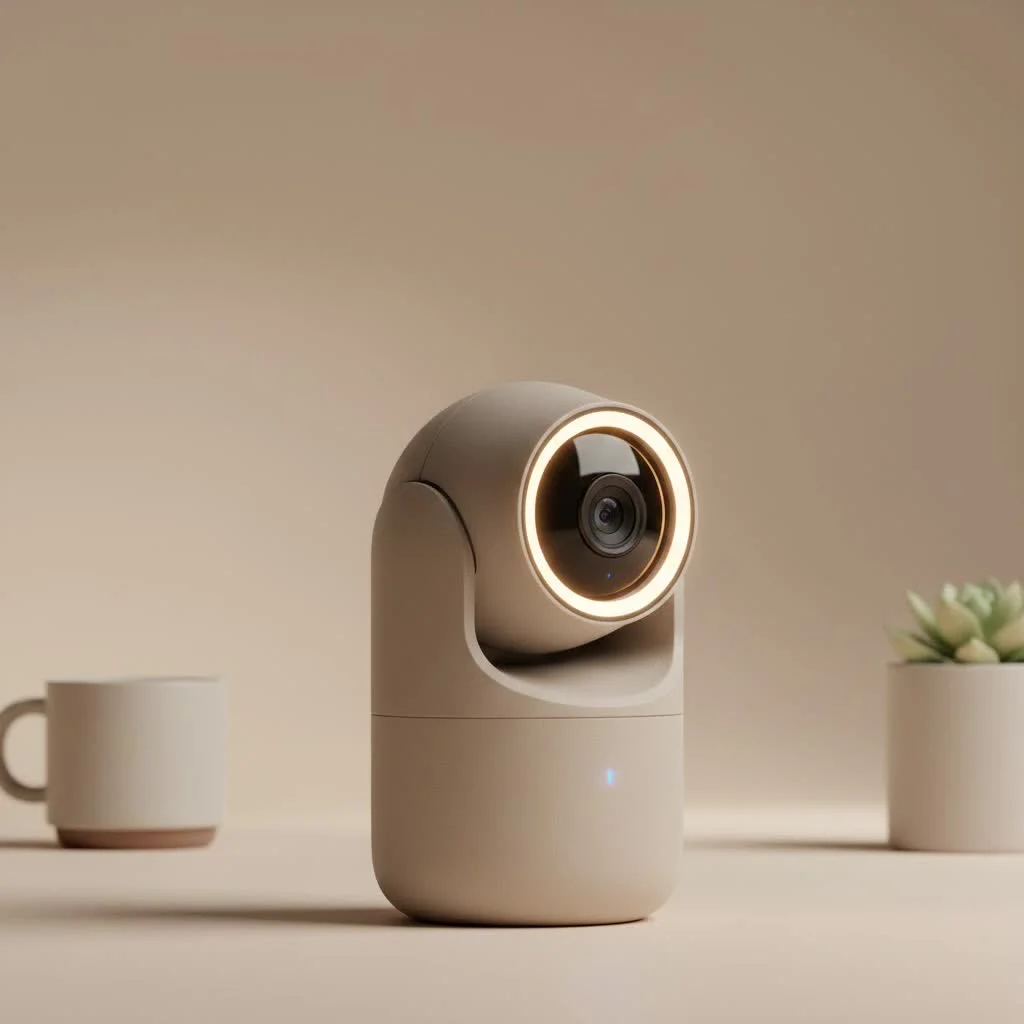
This guide explores why wired systems are preferred, what key features to prioritize, and how to select the ideal system for your property.
Why Choose a Wired Security Camera System?
While wireless cameras offer convenience, wired systems provide undeniable advantages in three critical areas: reliability, power, and security. They are the gold standard for anyone serious about surveillance.
Unshakeable Reliability
The number one enemy of a wireless security camera is an unstable Wi-Fi signal. Walls, distance, and even interference from your neighbor’s network can cause dropouts, lag, or poor-quality video right when you need it most. A wired system, which uses Ethernet cables to connect directly to a central recorder, eliminates this vulnerability entirely. The connection is stable, consistent, and delivers the highest possible video quality without interruption.
Consistent and Powerful Performance
Wired cameras receive both power and data through the same cable, a technology known as Power over Ethernet (PoE). This means you never have to worry about changing batteries or a camera dying at a critical moment. This constant power supply also supports more powerful features, such as advanced AI processing, stronger infrared LEDs for night vision, and motorized lenses—features often too power-hungry for battery-operated devices.
A Fortress of Security
Any device connected to your Wi-Fi is a potential entry point for hackers. While reputable wireless camera brands use strong encryption, wired systems are inherently more secure. Because they are on a closed circuit connected directly to your Network Video Recorder (NVR), it is significantly more difficult for an unauthorized user to intercept your video feeds.
Understanding the Technology: PoE is King
When discussing modern wired systems, we’re primarily talking about IP (Internet Protocol) cameras that use Power over Ethernet (PoE). This is a massive leap forward from older analog systems that required separate cables for power and video.
- IP Cameras: These are digital cameras that capture high-resolution video and send it over a computer network.
- Network Video Recorder (NVR): The NVR is the brain of the system. It’s a dedicated device with a large hard drive that receives video from all the cameras, records it, and allows you to view it live or play it back.
- Power over Ethernet (PoE): This technology allows a single Ethernet cable (like Cat5e or Cat6) to transmit both data and electrical power to the cameras. This dramatically simplifies installation, as you only need to run one wire to each camera location.
“For any permanent security installation, I always recommend a PoE system,” states David Chen, a lead security systems integrator. “The stability is unmatched. You eliminate the two biggest points of failure in surveillance: wireless signal loss and battery depletion. It’s the professional standard for a reason.”
Key Features in the Best Wired Security Camera System
Not all wired systems are created equal. As technology advances, certain features have become essential for effective and intelligent surveillance. Here’s what to look for.
Crystal Clear Resolution: 4K and Beyond
|
Our Picks for the Best Security Camera in 2026
As an Amazon Associate I earn from qualifying purchases.
|
||
| Num | Product | Action |
|---|---|---|
| 1 | Tapo TP-Link 2K Pan/Tilt Indoor Security Camera for Baby Monitor, Pet Camera, Motion Detection & Tracking, 2-Way Audio, Cloud & SD Card Storage, Works w/Alexa & Google Home, Black, C211(2-Pack) |

|
| 2 | REOLINK 4K PoE Security Camera System Wired, 8pcs 8MP PoE Cameras, Smart Person/Vehicle Detection, 16CH NVR with 4TB HDD, H.265, 24/7 Recording, High Bitrate & Clear Stream, RLK16-800D8 |
|
| 3 | TP-Link Tapo 1080P Indoor Security Camera for Baby Monitor, Dog Camera w/Motion Detection, 2-Way Audio Siren, Night Vision, Cloud & SD Card Storage, Works w/Alexa & Google Home (Tapo C100) |
|
| 4 | WYZE Cam Pan v3 Indoor/Outdoor IP65-Rated 1080p Pan/Tilt/Zoom Wi-Fi Smart Home Security Camera with Color Night Vision, 2-Way Audio, Compatible with Alexa & Google Assistant, White, 2-Pack |
|
| 5 | Security Cameras Wireless Outdoor-Solar&Battery Powered 2K 2.4G Cameras for Home Security, Instant Alert, AI Human Detection, Color Night Vision, 2-Way Talk, SD Storage, Work with Alexa, Z1 4P |
|
| 6 | WYZE Cam v4 (Latest Model), 2.5K AI Security Camera, Indoor/Outdoor Cameras for Home Security, Baby Monitor & Pet Camera, Vibrant Color Night Vision, No Subscription Required, Free Expert Help |
|
| 7 | Kasa Smart Indoor Pan-Tilt Home Security Camera, 1080p HD Dog Camera w/Night Vision, Motion Detection for Baby & Pet Monitor, Cloud & SD Card Storage, Works w/ Alexa & Google Home, 2.4G WiFi (EC71) |
|
| 8 | WYZE Bulb Cam Security Camera, 2K HD Outdoor Light Bulb Camera, Color Night Vision, Dimmable LED Bulb, Motion Detection, Siren Alarm, Works w/Alexa/Google Assistant. Free Expert Support |
|
| 9 | Security Cameras Wireless Outdoor,2K Indoor WiFi Wireless Cameras,Outside Battery Powered Camera for Home Security,AI Motion Detection,Color Night Vision,Spotlight,Siren Alarm,SD/Cloud Storage,2 Pack |
|
| 10 | Tapo 2K Pan/Tilt Security Camera for Baby Monitor, Dog Camera w/Motion Detection, 2-Way Audio Siren, Night Vision, Cloud&SD Card Storage, Works w/Alexa & Google Assistant, 2-Pack (Tapo C210P2) |
|
Clarity is paramount. The ability to distinguish a face, read a license plate, or identify a specific object is what makes security footage useful. Today, 4K (8-megapixel) resolution is the gold standard. It provides incredibly detailed images that allow for digital zoom without significant pixelation. While 1080p (2MP) or 2K (4MP) systems are still effective for general surveillance, investing in a 4K system ensures your footage is future-proof and legally viable.
Advanced Night Vision: See in Complete Darkness
Crime doesn’t stop when the sun goes down. Modern security cameras have impressive night vision capabilities.
- Infrared (IR) Night Vision: Uses IR LEDs to see in total darkness, producing a black and white image. Look for systems with a long range (e.g., 100 feet or more) to cover large areas.
- Color Night Vision: Uses highly sensitive image sensors and supplemental lighting (often a small, visible spotlight) to record in full color in low-light conditions. This provides far more detail, such as the color of a car or a person’s clothing.
Smart Motion Detection and Alerts
Older systems used to trigger an alert for any motion—swaying trees, passing cars, or even falling leaves—leading to a flood of useless notifications. The best wired security camera systems now use AI to differentiate between objects.
- Person Detection: Only alerts you when a human figure is detected.
- Vehicle Detection: Specifically identifies cars, reducing false alarms from other movement.
- Package Detection: Some systems can even notify you when a package is delivered and when it’s picked up.
These smart alerts make your system proactive rather than reactive, notifying you of genuine potential threats.
Storage Solutions: The Role of the NVR
A major benefit of a wired system is local storage. The NVR typically comes with a built-in hard drive, often ranging from 1TB to 8TB or more. This allows you to record continuous footage from multiple cameras 24/7 for weeks or even months without paying any monthly cloud storage fees. Your footage is stored securely on-site, under your control.
Remote Access and a User-Friendly App
Your security system should be accessible from anywhere. A high-quality system will have a well-designed, intuitive mobile app for your smartphone or tablet, as well as desktop software. This allows you to:
- View live footage from any camera.
- Watch recorded video.
- Receive push notifications for motion events.
- Customize settings on the fly.
Our Top Picks for the Best Wired Security Camera Brands
While specific models change, several brands have consistently proven their leadership in the wired security camera market by offering reliable, feature-rich systems.
- Lorex: Widely regarded for its vast selection of high-quality 4K PoE camera systems. Lorex offers a huge variety of camera styles (bullet, dome, turret) and advanced features like color night vision and smart detection, all with no mandatory monthly fees.
- Reolink: Known for offering excellent value, Reolink provides feature-packed 4K and even 12MP systems at very competitive prices. Their apps are user-friendly, and they are a popular choice for DIY enthusiasts.
- Swann: A long-standing name in the security industry, Swann produces durable and reliable systems that are often available at major retailers. They offer a good balance of performance, features, and user-friendliness.
Frequently Asked Questions (FAQ)
How hard is it to install a wired security camera system?
For a DIYer with some experience, installation is manageable. The most challenging part is running the Ethernet cables through walls and attics. However, the PoE setup itself is plug-and-play. If you are not comfortable with drilling or running cables, hiring a professional low-voltage installer is a great option.
Can wired security camera systems be hacked?
While no system is 100% immune to hacking, wired systems are significantly more secure than their wireless counterparts. A hacker would typically need physical access to your network cables or NVR, which is a much higher barrier than exploiting a Wi-Fi vulnerability remotely.
Do I need internet for a wired security camera system?
No, an internet connection is not required for the system to record video. The cameras will continuously record to the NVR on a closed, local network. However, you will need an internet connection for the NVR if you wish to view your cameras remotely from your phone or computer.
How much storage do I need on my NVR?
This depends on the number of cameras, their resolution, and how long you want to store footage. A typical 4-camera 4K system recording on motion detection might use about 1TB of data every 1-2 weeks. For 24/7 recording, you would need significantly more. Most NVRs allow you to expand storage by adding or swapping out the hard drive.
Can I mix and match cameras from different brands?
Generally, it is best to stick with cameras from the same brand as your NVR. This ensures full compatibility with all features, like smart motion detection. While some IP cameras support a standard called ONVIF for cross-brand compatibility, you often lose access to advanced proprietary features.
Conclusion: A Smart Investment in True Security
Choosing the best wired security camera system is a direct investment in reliability and effectiveness. By prioritizing a stable PoE connection, you eliminate the most common points of failure and unlock more powerful, consistent performance. When you focus on essential features like 4K resolution, smart motion detection, and robust local storage, you build a surveillance system that doesn’t just record events, but actively helps you prevent them. Take the time to plan your camera locations, invest in a quality system from a reputable brand, and enjoy the profound peace of mind that comes from knowing your property is truly protected.
Frequently Asked Questions
How difficult is it to install a wired security camera system?
Installing a wired security camera system can be manageable for DIYers with some experience, though running Ethernet cables through walls is the most challenging part. The Power over Ethernet (PoE) setup itself is plug-and-play. If you are uncomfortable with drilling or cable routing, hiring a professional low-voltage installer is recommended.
Are wired security camera systems vulnerable to hacking?
While no system is 100% immune, wired security camera systems are significantly more secure than wireless counterparts. A hacker typically needs physical access to your network cables or Network Video Recorder (NVR), which presents a much higher barrier than exploiting a remote Wi-Fi vulnerability.
Is an internet connection necessary for a wired security camera system to function?
No, an internet connection is not required for a wired security camera system to record video. The cameras will continuously record to the NVR on a closed, local network. However, an internet connection is needed if you wish to view your cameras remotely from a phone or computer.
What amount of storage capacity is needed for an NVR?
The required NVR storage depends on the number of cameras, their resolution, and desired footage retention. A typical 4-camera 4K system recording on motion detection might use about 1TB of data every 1-2 weeks. For 24/7 continuous recording, significantly more storage would be needed, and most NVRs allow for hard drive expansion.
Can different brands of cameras be used with a single NVR?
Generally, it is best to use cameras from the same brand as your NVR to ensure full compatibility with all features, such as smart motion detection. While some IP cameras support the ONVIF standard for cross-brand compatibility, this often means losing access to advanced proprietary features specific to a brand.
Get our weekly buyer guide
Practical specs, not advice. Unsubscribe anytime.
I chose a wired system for my home because the post emphasized unshakeable reliability, and for the most part, it delivers. The video quality is great, and I haven’t had any power issues. However, I found the interface for the NVR a bit clunky and not as intuitive as I hoped. It gets the job done, but there’s definitely a learning curve.
This guide really helped me understand why wired systems are the way to go for serious surveillance. I ended up getting a system that uses Ethernet cables for both data and power, and it’s been incredibly stable. My only minor complaint is that the initial setup for running all the wires took longer than I expected, but once it’s done, it’s rock solid.
As someone who’s had both wireless and wired systems, I can confirm that PoE IP cameras are the professional’s choice. The consistent power and enhanced security are unmatched. I particularly appreciate not having to deal with battery concerns or signal interference. It’s truly the gold standard for robust surveillance.
I recently upgraded to a PoE IP camera system after dealing with constant dropouts from my old wireless setup. The difference in reliability is night and day! I love that I don’t have to worry about Wi-Fi vulnerabilities anymore. It was a bit more work to install the Ethernet cables, but the peace of mind is absolutely worth it for my small business.