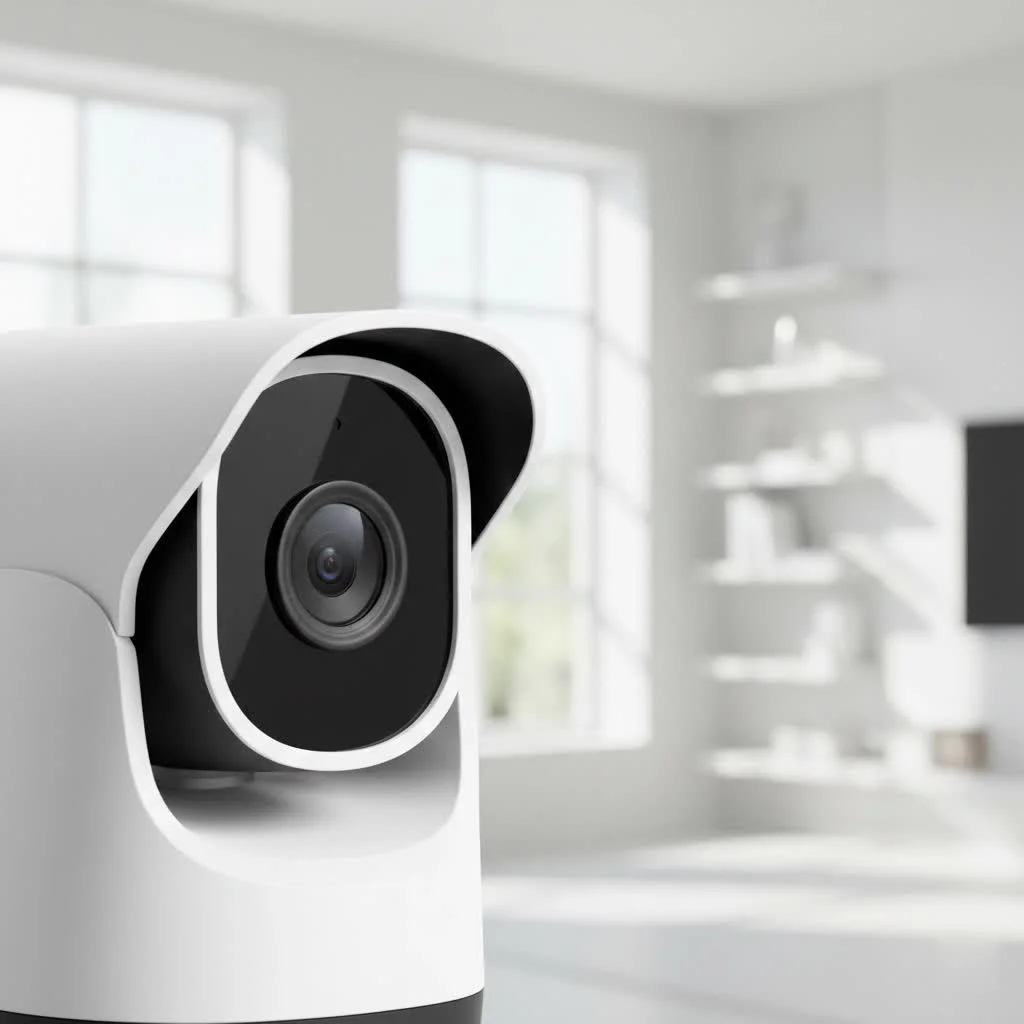
The Defender security camera system is a compelling choice for homeowners and small business owners seeking a reliable, DIY-friendly security solution with no monthly fees and high-resolution video. This brand focuses on local storage, typically using a 1TB Network Video Recorder (NVR) for wired systems, which allows users to store weeks or even months of continuous 4K footage without recurring subscription costs.
As a security professional with over 15 years of experience, I’ve found Defender consistently delivers on its promise of empowering users with control over their data and long-term cost savings. This review will detail its core features, popular models, and the straightforward installation process. For browse all home articles on this site.
What Sets Defender Security Cameras Apart?
Defender’s philosophy centers on empowerment and ownership. Unlike many popular brands that push cloud subscriptions, Defender champions local storage. This means all your video footage is stored on a physical NVR or an SD card right at your property. This approach offers two significant advantages: privacy and cost-savings. You have complete control over your data, and you never have to pay a monthly fee to access your own recordings.
Expert Take: Johnathan Miles, a seasoned security systems integrator, notes, “The biggest selling point for Defender is its ‘own your footage’ model. For clients concerned about privacy or long-term costs, a system with a dedicated NVR is a robust solution. You invest once in the hardware and that’s it, which is a stark contrast to the subscription fatigue many people are feeling from other services.”
Key Features That Define the Defender Experience
- Stunning 4K Resolution: Defender’s wired systems boast 4K Ultra HD resolution, delivering video that is four times clearer than standard 1080p. This clarity allows you to identify critical details like faces and license plates from a distance.
- No Monthly Fees, Ever: With ample local storage included (typically a 1TB NVR), you can record weeks or even months of continuous footage without paying for cloud space.
- Robust Weatherproof Designs: Built to withstand the elements, Defender cameras typically come with an IP67 rating, making them dust-tight and capable of handling rain, snow, and heat.
- Clear Night Vision: Using infrared technology, these cameras provide crisp black-and-white video in complete darkness. Some newer models, like the Guard Pro, even offer color night vision for enhanced detail after dusk.
- Plug-and-Play Simplicity: While wired systems require running cables, the setup process is designed to be straightforward for the average DIYer. The cameras connect directly to the NVR, which handles both power and data transmission over a single cable.
A Closer Look at Popular Defender Models
Defender offers a range of products tailored to different needs, from sprawling multi-camera wired setups for businesses to single Wi-Fi cameras for monitoring a specific area.
Defender 4K Wired Security Systems (8, 16, or 32 Channel)
|
Our Picks for the Best Security Camera in 2026
As an Amazon Associate I earn from qualifying purchases.
|
||
| Num | Product | Action |
|---|---|---|
| 1 | WYZE Cam v4 (Latest Model), 2.5K AI Security Camera, Indoor/Outdoor Cameras for Home Security, Baby Monitor & Pet Camera, Vibrant Color Night Vision, No Subscription Required, Free Expert Help |

|
| 2 | WYZE Bulb Cam Security Camera, 2K HD Outdoor Light Bulb Camera, Color Night Vision, Dimmable LED Bulb, Motion Detection, Siren Alarm, Works w/Alexa/Google Assistant. Free Expert Support |
|
| 3 | Tapo 2K Pan/Tilt Security Camera for Baby Monitor, Dog Camera w/Motion Detection, 2-Way Audio Siren, Night Vision, Cloud&SD Card Storage, Works w/Alexa & Google Assistant, 2-Pack (Tapo C210P2) |
|
| 4 | Security Cameras Wireless Outdoor-Solar&Battery Powered 2K 2.4G Cameras for Home Security, Instant Alert, AI Human Detection, Color Night Vision, 2-Way Talk, SD Storage, Work with Alexa, Z1 4P |
|
| 5 | TP-Link Tapo 1080P Indoor Security Camera for Baby Monitor, Dog Camera w/Motion Detection, 2-Way Audio Siren, Night Vision, Cloud & SD Card Storage, Works w/Alexa & Google Home (Tapo C100) |
|
| 6 | REOLINK 4K PoE Security Camera System Wired, 8pcs 8MP PoE Cameras, Smart Person/Vehicle Detection, 16CH NVR with 4TB HDD, H.265, 24/7 Recording, High Bitrate & Clear Stream, RLK16-800D8 |
|
| 7 | WYZE Cam Pan v3 Indoor/Outdoor IP65-Rated 1080p Pan/Tilt/Zoom Wi-Fi Smart Home Security Camera with Color Night Vision, 2-Way Audio, Compatible with Alexa & Google Assistant, White, 2-Pack |
|
| 8 | Security Cameras Wireless Outdoor,2K Indoor WiFi Wireless Cameras,Outside Battery Powered Camera for Home Security,AI Motion Detection,Color Night Vision,Spotlight,Siren Alarm,SD/Cloud Storage,2 Pack |
|
| 9 | Tapo TP-Link 2K Pan/Tilt Indoor Security Camera for Baby Monitor, Pet Camera, Motion Detection & Tracking, 2-Way Audio, Cloud & SD Card Storage, Works w/Alexa & Google Home, Black, C211(2-Pack) |
|
| 10 | Kasa Smart Indoor Pan-Tilt Home Security Camera, 1080p HD Dog Camera w/Night Vision, Motion Detection for Baby & Pet Monitor, Cloud & SD Card Storage, Works w/ Alexa & Google Home, 2.4G WiFi (EC71) |
|
This is Defender’s flagship offering. These kits are all-in-one solutions that come with multiple 4K bullet cameras and a central NVR.
- Best For: Homeowners and business owners who need comprehensive, 24/7 surveillance across multiple locations.
- Pros: Unbeatable video quality, stable and reliable wired connections, and massive storage capacity. The system is always recording, so you never miss a moment.
- Cons: Installation is more involved as it requires running Ethernet cables from each camera back to the NVR.
Defender Guard & Guard Pro 2K Wi-Fi Cameras
For those who need to monitor a single area without the hassle of extensive wiring, the Guard series is an excellent choice. These cameras connect to your Wi-Fi network and record footage to an onboard SD card.
- Best For: Covering a front porch, backyard, or interior room where running a cable isn’t practical.
- Pros: Extremely easy to set up, 2K resolution provides sharp video, and features like two-way talk, a motion-activated spotlight, and a remote siren add layers of active deterrence.
- Cons: Relies on a strong Wi-Fi signal for performance and has less storage than an NVR-based system.
How to Install Your Defender Security Camera System
Installing a wired Defender security camera system is a manageable weekend project. The key is planning.
- Plan Your Camera Placement: Identify key entry points, vulnerable areas, and high-traffic zones. Walk around your property and consider the viewing angles. Ensure each location has a feasible route for running a cable back to the NVR.
- Position the NVR: Place your NVR in a secure, central location near your router (for remote viewing) and a monitor or TV for the initial setup.
- Run the Ethernet Cables: This is the most labor-intensive step. Route the provided Ethernet cables from the NVR to each camera location. You may need to drill small holes and run cables through attics, crawlspaces, or along walls.
- Mount the Cameras: Securely mount each camera using the included hardware. Adjust the camera angle to capture your desired field of view.
- Connect Everything: Plug the Ethernet cables from the cameras into the back of the NVR. Connect the NVR to power, your router, and a monitor.
- Complete the Setup Wizard: Power on the system. The on-screen setup wizard will guide you through configuring your password, recording settings, and connecting the system to the Defender app for remote viewing.
Answering Your Top Questions About Defender Cameras
How does Defender compare to brands like Ring or Arlo?
The primary difference is the storage model. Ring and Arlo are cloud-first systems that require a subscription to access most features and historical footage. Defender is a local-storage system with no required fees. While Ring and Arlo offer easier wireless installation, Defender’s wired systems provide more reliable, 24/7 recording that isn’t dependent on Wi-Fi strength or battery life.
Can I view my Defender cameras on my phone?
Yes. All modern Defender systems connect to a mobile app. Once you connect your NVR or Wi-Fi camera to your home network, you can use the app to view live footage, review recordings, and receive motion alerts from anywhere in the world.
What happens when the NVR hard drive is full?
By default, the NVR is set to overwrite the oldest footage automatically. A 1TB hard drive can typically store several weeks of continuous recording from multiple cameras before it starts overwriting, ensuring you always have a recent history of events.
Final Verdict: Is a Defender Security Camera Right for You?
If you are looking for a powerful, high-resolution security system that you can install yourself and own outright without monthly fees, a Defender security camera system is one of the best options on the market. The upfront cost for the hardware is higher than a single cloud camera, but the long-term savings and enhanced privacy of local storage are significant advantages.
For the tech-savvy DIYer who values performance, reliability, and control over their own security data, Defender offers a professional-grade solution that delivers true peace of mind. It’s a robust system built for those who prefer a one-time investment for long-term security.
Frequently Asked Questions
How does Defender security camera compare to brands like Ring or Arlo?
Defender security cameras primarily differ from Ring and Arlo by offering a local-storage model with no required monthly fees, unlike cloud-first systems that often necessitate subscriptions for full features. Defender's wired systems provide more reliable, 24/7 recording that isn't dependent on Wi-Fi strength or battery life, while Ring and Arlo typically offer easier wireless installation.
Can I view my Defender security cameras on my smartphone?
Yes, all modern Defender security camera systems connect to a dedicated mobile app. Once your NVR or Wi-Fi camera is connected to your home network, you can use the app to view live footage, review recordings, and receive motion alerts from anywhere in the world.
What happens when the Defender NVR hard drive is full?
By default, the Defender NVR is configured to automatically overwrite the oldest footage when its hard drive is full. A typical 1TB hard drive can store several weeks of continuous recording from multiple cameras before this overwriting process begins, ensuring a continuous history of events.
What are the main advantages of Defender's local storage?
Defender's local storage model offers two significant advantages: enhanced privacy and cost savings. Users maintain complete control over their video data, as footage is stored directly on a physical NVR or SD card, eliminating the need for recurring monthly cloud storage fees.
Do Defender security cameras offer night vision capabilities?
Yes, Defender security cameras provide clear night vision using infrared technology, delivering crisp black-and-white video in complete darkness. Some newer models, such as the Guard Pro, also feature color night vision for improved detail after dusk.
Install Your Defender Security Camera System
Installing a wired Defender security camera system is a manageable DIY project that typically takes a weekend. Careful planning of camera placement and cable routing is essential for a successful setup.
Identify key entry points, vulnerable areas, and high-traffic zones around your property. Walk around to determine optimal viewing angles and ensure each location has a feasible route for running an Ethernet cable back to the NVR.
Place your Network Video Recorder (NVR) in a secure, central location. It should be near your internet router for remote viewing capabilities and close to a monitor or TV for the initial system setup.
Route the provided Ethernet cables from the NVR to each planned camera location. This step is the most labor-intensive and may involve drilling small holes or running cables through attics, crawlspaces, or along walls to conceal them.
Securely mount each camera using the included hardware and adjust its angle to capture your desired field of view. Then, plug the Ethernet cables from the cameras into the corresponding ports on the back of the NVR. Connect the NVR to power, your router, and a monitor.
Power on the entire system. Follow the on-screen setup wizard to configure your password, recording settings, and connect the system to the Defender mobile app for convenient remote viewing and alerts.
Get our weekly buyer guide
Practical specs, not advice. Unsubscribe anytime.
I appreciate the no monthly fees aspect of the Defender cameras, and the video quality is good. However, I found the wired system installation a bit more involved than I anticipated, even with the DIY-friendly claims. It took me longer to set up than I expected, but once it was running, it’s been reliable. Just be prepared for a bit of a project.
I was really tired of paying monthly fees for my old security system, so the Defender system was a game-changer. The 4K footage is incredibly clear, and knowing I own all my data with local storage is a huge relief. Installation was surprisingly easy, even for someone not super tech-savvy. Highly recommend for anyone wanting to cut those recurring costs.
As someone who’s dealt with various security systems, Defender really stands out for its focus on local storage and user control. It’s refreshing to see a brand that doesn’t force you into cloud subscriptions. The robust build quality and consistent performance make it a top pick for both homeowners and small businesses looking for a dependable solution.
We got the Defender system for our small business, and it’s been solid. The 1TB NVR gives us plenty of storage for continuous recording, which is essential for monitoring after hours. My only minor complaint is that the app interface could be a little more intuitive, but once you get used to it, it works fine. Great value overall.