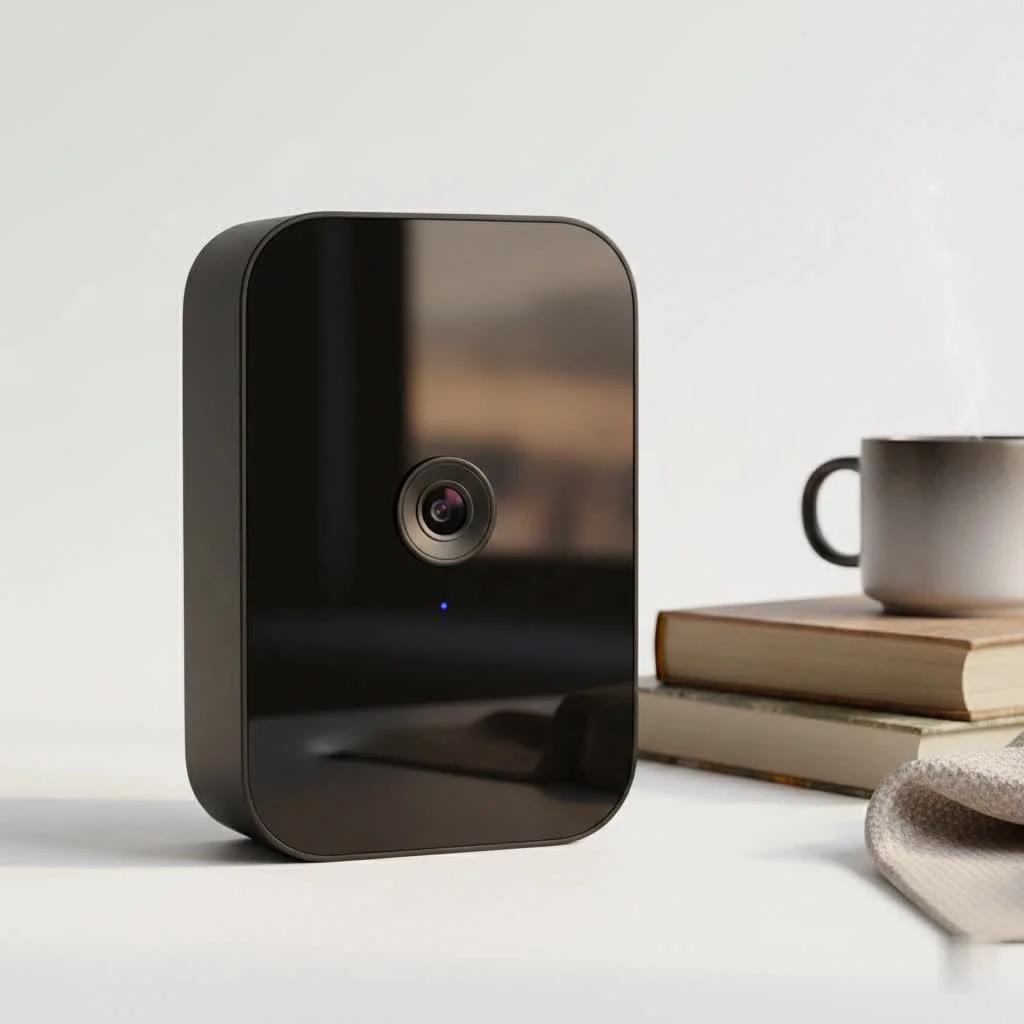
A front door security camera acts as a vigilant gatekeeper, offering peace of mind by allowing you to monitor visitors, deter intruders, and track package deliveries. As a security professional with over a decade of experience, I’ve observed that the right camera significantly enhances home safety, providing crucial visibility whether you are home or away.
Why a Front Door Camera is a Smart Investment
Beyond simply recording video, a front door security camera offers several critical benefits for modern home security.
- Crime Deterrent: A visible security camera is a powerful deterrent. Most opportunistic burglars look for easy targets, and a well-placed camera signals that your home is monitored and protected.
- Evidence Collection: In the unfortunate event of a break-in, theft, or vandalism, high-quality video footage is invaluable evidence for law enforcement. It can significantly increase the chances of identifying and apprehending suspects.
- Package Theft Prevention: With the rise of online shopping, “porch piracy” has become a major concern. A front door camera allows you to monitor deliveries, receive alerts, and even communicate with delivery personnel to ensure your packages are left in a safe spot.
- Visitor Screening: Know who is at your door before you open it. Whether it’s an unexpected visitor, a salesperson, or a neighbor, a camera with two-way audio allows you to see and speak with them from anywhere via your smartphone.
The Main Types of Front Door Security Cameras
Understanding the primary categories of cameras is key to finding the perfect fit for your entryway.
Video Doorbells
Video doorbells replace traditional doorbells with a smart, camera-equipped device, offering convenient and discreet doorstep monitoring.
- Pros: Easy to install (often using existing doorbell wiring), combine a doorbell and camera in one, excellent for two-way communication.
- Cons: Fixed position may not provide the ideal viewing angle, field of view can be more limited than traditional cameras.
Traditional Outdoor Cameras (Bullet & Dome)
These are dedicated security cameras mounted near your front door, typically under an eave or on a wall.
- Pros: More flexible placement for optimal viewing angles, often more durable and weather-resistant, act as a more obvious visual deterrent.
- Cons: Installation can be more involved, may not have the doorbell functionality (though they can work in tandem with one).
Key Features That Truly Matter
To navigate the overwhelming specifications, focus on features that significantly impact the performance and usability of your front door security camera.
Video Resolution and Field of View
Resolution determines video clarity; look for a minimum of 1080p (Full HD), with 2K or 4K resolutions offering superior detail for zooming in on faces or license plates. The Field of View (FOV) is equally important; a wide FOV (140 to 160 degrees) is ideal for capturing the entire porch and minimizing blind spots. Some advanced cameras offer a head-to-toe aspect ratio to clearly see a person and packages on the ground.
Night Vision Capabilities
|
Our Picks for the Best Security Camera in 2026
As an Amazon Associate I earn from qualifying purchases.
|
||
| Num | Product | Action |
|---|---|---|
| 1 | Security Cameras Wireless Outdoor-Solar&Battery Powered 2K 2.4G Cameras for Home Security, Instant Alert, AI Human Detection, Color Night Vision, 2-Way Talk, SD Storage, Work with Alexa, Z1 4P |

|
| 2 | WYZE Cam v4 (Latest Model), 2.5K AI Security Camera, Indoor/Outdoor Cameras for Home Security, Baby Monitor & Pet Camera, Vibrant Color Night Vision, No Subscription Required, Free Expert Help |
|
| 3 | Tapo TP-Link 2K Pan/Tilt Indoor Security Camera for Baby Monitor, Pet Camera, Motion Detection & Tracking, 2-Way Audio, Cloud & SD Card Storage, Works w/Alexa & Google Home, Black, C211(2-Pack) |
|
| 4 | WYZE Bulb Cam Security Camera, 2K HD Outdoor Light Bulb Camera, Color Night Vision, Dimmable LED Bulb, Motion Detection, Siren Alarm, Works w/Alexa/Google Assistant. Free Expert Support |
|
| 5 | Tapo 2K Pan/Tilt Security Camera for Baby Monitor, Dog Camera w/Motion Detection, 2-Way Audio Siren, Night Vision, Cloud&SD Card Storage, Works w/Alexa & Google Assistant, 2-Pack (Tapo C210P2) |
|
| 6 | REOLINK 4K PoE Security Camera System Wired, 8pcs 8MP PoE Cameras, Smart Person/Vehicle Detection, 16CH NVR with 4TB HDD, H.265, 24/7 Recording, High Bitrate & Clear Stream, RLK16-800D8 |
|
| 7 | Security Cameras Wireless Outdoor,2K Indoor WiFi Wireless Cameras,Outside Battery Powered Camera for Home Security,AI Motion Detection,Color Night Vision,Spotlight,Siren Alarm,SD/Cloud Storage,2 Pack |
|
| 8 | TP-Link Tapo 1080P Indoor Security Camera for Baby Monitor, Dog Camera w/Motion Detection, 2-Way Audio Siren, Night Vision, Cloud & SD Card Storage, Works w/Alexa & Google Home (Tapo C100) |
|
| 9 | WYZE Cam Pan v3 Indoor/Outdoor IP65-Rated 1080p Pan/Tilt/Zoom Wi-Fi Smart Home Security Camera with Color Night Vision, 2-Way Audio, Compatible with Alexa & Google Assistant, White, 2-Pack |
|
| 10 | Kasa Smart Indoor Pan-Tilt Home Security Camera, 1080p HD Dog Camera w/Night Vision, Motion Detection for Baby & Pet Monitor, Cloud & SD Card Storage, Works w/ Alexa & Google Home, 2.4G WiFi (EC71) |
|
For 24/7 functionality, cameras offer two main types of night vision: Infrared (IR) Night Vision, which provides classic black-and-white images using invisible infrared LEDs, and Color Night Vision, an advanced technology that uses ambient light and sensitive sensors for full-color images in low light. Many color night vision cameras also include a motion-activated spotlight for enhanced recording and identification of details like clothing or vehicle colors.
Smart Motion Detection
Modern cameras feature AI-powered “smart detection” to differentiate between people, animals, vehicles, and packages, reducing false alarms from basic motion detection. This ensures you receive notifications only for relevant events.
“In my experience, customizable motion zones and smart alerts are game-changers,” says security system integrator Johnathan Carter. “The ability to tell your camera to ignore the public sidewalk but alert you when someone steps onto your porch is what separates a frustrating gadget from a truly effective security tool.”
Power Source: Wired vs. Wire-Free
The power source significantly impacts installation and maintenance. Hardwired cameras connect directly to your home’s electrical system (often using existing doorbell wiring), providing a constant, reliable power source without battery concerns. Battery-Powered (Wire-Free) cameras offer ultimate installation flexibility, mountable almost anywhere without wires, but require periodic recharging (typically every few months). Some models can extend battery life significantly with solar panel accessories.
Data Storage Options
Video recordings can be stored in two main ways: Cloud Storage, where footage is uploaded to secure manufacturer servers, offering convenience, remote accessibility, and protection from physical theft, usually requiring a monthly subscription fee. Alternatively, Local Storage saves video to a physical device like a microSD card or a central hub, providing privacy and no monthly fees, but carries the risk of the storage device being stolen or damaged.
How to Install Your Front Door Security Camera for Best Results
Proper installation is crucial for optimal performance, preventing blind spots and missed events.
- Find the Optimal Height: The ideal height is typically around 7 feet (2.1 meters) from the ground. This height provides a clear overview, deters tampering, and captures clear facial details.
- Angle for a Clear View: Position the camera to have an unobstructed view of your entire doorstep, walkway, and the immediate approach to your door. Angle it slightly downwards to focus on visitors rather than the street.
- Check Your Wi-Fi Signal: Before drilling, test the Wi-Fi signal strength at the intended mounting spot using your phone. A weak signal will cause laggy video and missed recordings, potentially requiring a Wi-Fi extender.
- Secure the Mounting: Use the hardware provided with the camera to ensure it is securely fastened to the wall or doorframe. A loose camera can be easily knocked out of position.
Frequently Asked Questions (FAQ)
What’s the best front door security camera for my home?
The best front door security camera depends on your specific needs. For convenience, a high-resolution video doorbell is excellent, while a traditional 4K bullet camera offers a more overt deterrent and flexible placement. Prioritize features like resolution, smart motion detection, and night vision that are most important to you.
Can my front door security camera be hacked by intruders?
While any internet-connected device carries some risk, you can significantly minimize hacking by using a strong, unique password for your camera’s account, enabling two-factor authentication (2FA) if available, and keeping the camera’s firmware updated to the latest version.
Do I need to pay a monthly subscription for a front door camera?
It depends on the camera model and your preferred video storage method. Many cameras offer basic live viewing and motion alerts for free, but typically require a subscription for cloud storage to save, review, and share video clips. Models with local storage options can help you avoid recurring monthly fees.
How do front door security cameras perform in bad weather conditions?
For reliable outdoor performance, look for a camera with an IP (Ingress Protection) rating of IP65 or higher. An IP65 rating indicates the camera is dust-tight and protected against water jets, making it suitable for rain and various outdoor conditions.
A Final Word on Your Home’s Security
Choosing and installing a front door security camera is one of the most effective steps you can take to protect your home, your family, and your peace of mind. By focusing on key features like high resolution, smart motion detection, and reliable night vision, you can build a formidable first line of defense. This isn’t just about technology; it’s about empowerment. It’s about having the visibility and control to know your home is secure, no matter where you are. Take the time to assess your entryway, choose a camera that fits your needs, and enjoy the confidence that comes with a smarter, safer front door.
Frequently Asked Questions
What's the best front door security camera for my home?
The best front door security camera depends on your specific needs. For convenience, a high-resolution video doorbell is excellent, while a traditional 4K bullet camera offers a more overt deterrent and flexible placement. Prioritize features like resolution, smart motion detection, and night vision that are most important to you.
Can my front door security camera be hacked by intruders?
While any internet-connected device carries some risk, you can significantly minimize hacking by using a strong, unique password for your camera's account, enabling two-factor authentication (2FA) if available, and keeping the camera's firmware updated to the latest version.
Do I need to pay a monthly subscription for a front door camera?
It depends on the camera model and your preferred video storage method. Many cameras offer basic live viewing and motion alerts for free, but typically require a subscription for cloud storage to save, review, and share video clips. Models with local storage options can help you avoid recurring monthly fees.
How do front door security cameras perform in bad weather conditions?
For reliable outdoor performance, look for a camera with an IP (Ingress Protection) rating of IP65 or higher. An IP65 rating indicates the camera is dust-tight and protected against water jets, making it suitable for rain and various outdoor conditions.
What is the ideal height to install a front door security camera?
The ideal height for installing a front door security camera is typically around 7 feet (2.1 meters) from the ground. This height provides a clear overview of the area, deters tampering, and ensures the camera can capture clear facial details of visitors.
Install Your Front Door Security Camera for Best Results
Proper installation is crucial for optimal performance of your front door security camera, preventing blind spots and ensuring critical events are captured.
The ideal height is typically around 7 feet (2.1 meters) from the ground. This height provides a clear overview, deters tampering, and captures clear facial details.
Position the camera to have an unobstructed view of your entire doorstep, walkway, and the immediate approach to your door. Angle it slightly downwards to focus on visitors rather than the street.
Before drilling, test the Wi-Fi signal strength at the intended mounting spot using your phone. A weak signal will cause laggy video and missed recordings, potentially requiring a Wi-Fi extender.
Use the hardware provided with the camera to ensure it is securely fastened to the wall or doorframe. A loose camera can be easily knocked out of position.
Get our weekly buyer guide
Practical specs, not advice. Unsubscribe anytime.
I finally pulled the trigger on a front door camera after a package went missing, and it’s been a game-changer. The ability to track package deliveries right from my phone is incredibly convenient. It also gives me so much peace of mind knowing I can see who’s at the door even when I’m not home. Installation was pretty straightforward too.
My new front door camera has been fantastic for monitoring visitors. I love being able to see who’s there before I even open the door, especially with unexpected callers. It really does act as a vigilant gatekeeper, just like the post said. I feel much safer and more in control of my home’s entry point.
After reading about the importance of evidence collection, I upgraded my old doorbell camera to one with higher resolution. The difference is night and day! Now I feel much more confident that if anything were to happen, the footage would actually be useful for law enforcement. It’s a solid investment for home safety.
I got one of the mid-range wireless models mentioned, and while the crime deterrent aspect is great, I’ve had some issues with the motion detection being a bit too sensitive. It picks up cars driving by on the street, which fills up my storage quickly. I wish there were more granular settings for the detection zones. Otherwise, the video quality is decent.