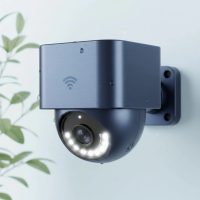
In an ever-evolving world, safeguarding your home and loved ones has become more critical than ever. The idea of a personal security guard might seem like a luxury, but with the advent of advanced technology, securing your property is now within reach for everyone. Enter the best wireless home security camera system – a flexible, powerful solution offering peace of mind and round-the-clock vigilance without the hassle of complicated wiring. Whether you’re at work, on vacation, or just in another room, these systems provide a watchful eye, keeping you connected to what matters most.
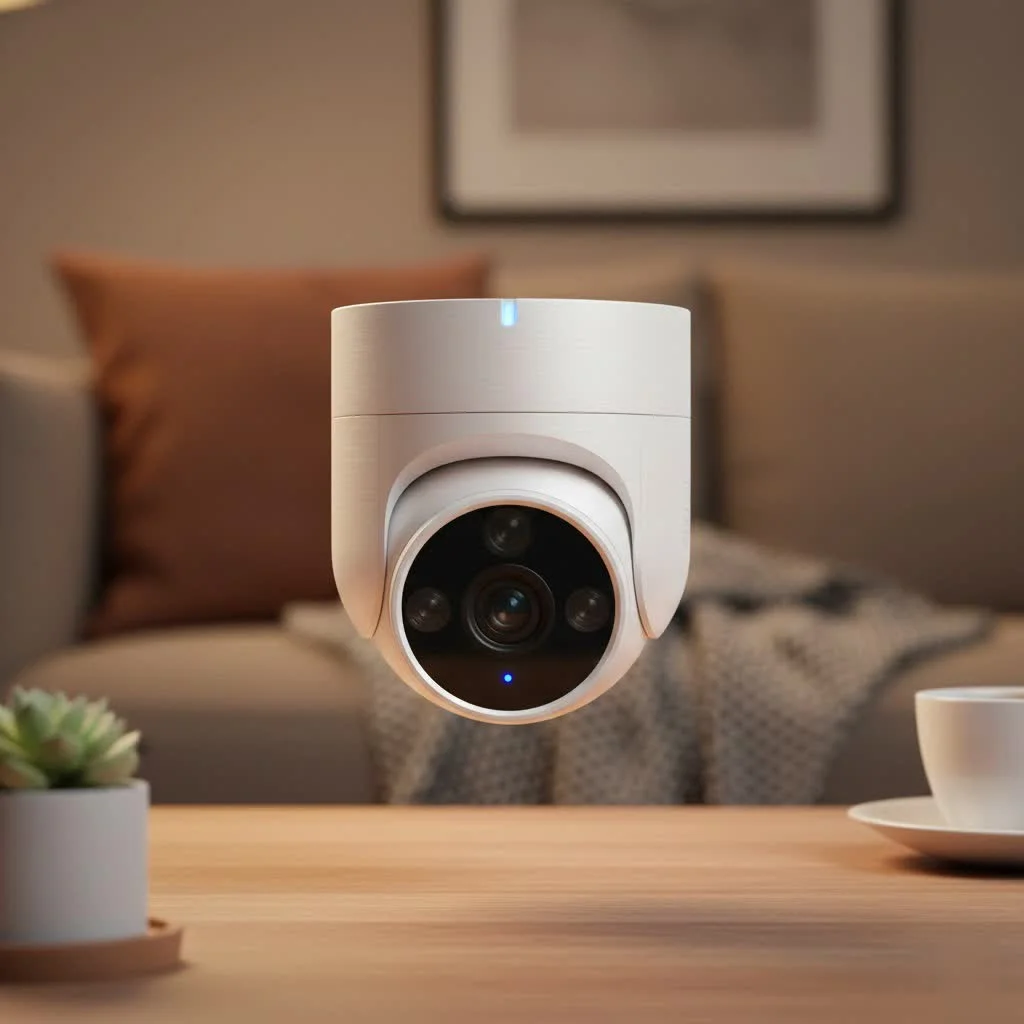
This comprehensive guide will walk you through everything you need to know about choosing, installing, and maintaining the ideal wireless security camera setup for your unique home. We’ll explore crucial features, different types of cameras, and practical tips to help you make an informed decision, transforming your home into a fortress of modern security. For compare top home on this site.
Why Go Wireless? The Unbeatable Advantages of Wireless Home Security Cameras
Opting for a wireless home security camera system brings a host of benefits that traditional wired systems often can’t match. First and foremost is the ease of installation. Say goodbye to drilling extensive holes and running unsightly cables through walls and ceilings. Most wireless cameras are designed for simple DIY setup, meaning you can get your system up and running in minutes, not hours or days. This also translates to incredible flexibility in placement. You can position cameras almost anywhere, adjusting their angles and locations as your security needs evolve, without being tethered to power outlets or network ports.
Furthermore, the portability of many wireless cameras makes them ideal for renters or those who might relocate frequently. Just unmount and move! You’ll also enjoy remote access and control, allowing you to view live feeds, review recordings, and manage settings directly from your smartphone or tablet, no matter where you are. This convenience is a game-changer for modern home security.
Key Features to Look for in Your Wireless Home Security Camera System
When investing in the best wireless home security camera system, understanding the core features is paramount. These elements dictate performance, usability, and ultimately, how effectively your home is protected.
Resolution and Image Quality: Seeing Every Detail Clearly
The clarity of your camera’s footage is crucial for identifying faces, license plates, or other important details. You’ll typically encounter resolutions like 1080p, 2K, or 4K.
What resolution should I look for in a wireless security camera?
For reliable identification, aim for at least 1080p, but 2K (often called 4MP) or 4K (8MP) offers superior detail and allows for clearer digital zooming on faces or other critical elements. Higher resolution footage provides a sharper, more discernible picture, which is vital for security purposes.
Night Vision: Your Eyes in the Dark
|
Our Picks for the Best Security Camera in 2026
As an Amazon Associate I earn from qualifying purchases.
|
||
| Num | Product | Action |
|---|---|---|
| 1 | REOLINK 4K PoE Security Camera System Wired, 8pcs 8MP PoE Cameras, Smart Person/Vehicle Detection, 16CH NVR with 4TB HDD, H.265, 24/7 Recording, High Bitrate & Clear Stream, RLK16-800D8 |

|
| 2 | Security Cameras Wireless Outdoor,2K Indoor WiFi Wireless Cameras,Outside Battery Powered Camera for Home Security,AI Motion Detection,Color Night Vision,Spotlight,Siren Alarm,SD/Cloud Storage,2 Pack |
|
| 3 | Tapo 2K Pan/Tilt Security Camera for Baby Monitor, Dog Camera w/Motion Detection, 2-Way Audio Siren, Night Vision, Cloud&SD Card Storage, Works w/Alexa & Google Assistant, 2-Pack (Tapo C210P2) |
|
| 4 | WYZE Cam v4 (Latest Model), 2.5K AI Security Camera, Indoor/Outdoor Cameras for Home Security, Baby Monitor & Pet Camera, Vibrant Color Night Vision, No Subscription Required, Free Expert Help |
|
| 5 | Kasa Smart Indoor Pan-Tilt Home Security Camera, 1080p HD Dog Camera w/Night Vision, Motion Detection for Baby & Pet Monitor, Cloud & SD Card Storage, Works w/ Alexa & Google Home, 2.4G WiFi (EC71) |
|
| 6 | WYZE Bulb Cam Security Camera, 2K HD Outdoor Light Bulb Camera, Color Night Vision, Dimmable LED Bulb, Motion Detection, Siren Alarm, Works w/Alexa/Google Assistant. Free Expert Support |
|
| 7 | WYZE Cam Pan v3 Indoor/Outdoor IP65-Rated 1080p Pan/Tilt/Zoom Wi-Fi Smart Home Security Camera with Color Night Vision, 2-Way Audio, Compatible with Alexa & Google Assistant, White, 2-Pack |
|
| 8 | Security Cameras Wireless Outdoor-Solar&Battery Powered 2K 2.4G Cameras for Home Security, Instant Alert, AI Human Detection, Color Night Vision, 2-Way Talk, SD Storage, Work with Alexa, Z1 4P |
|
| 9 | Tapo TP-Link 2K Pan/Tilt Indoor Security Camera for Baby Monitor, Pet Camera, Motion Detection & Tracking, 2-Way Audio, Cloud & SD Card Storage, Works w/Alexa & Google Home, Black, C211(2-Pack) |
|
| 10 | TP-Link Tapo 1080P Indoor Security Camera for Baby Monitor, Dog Camera w/Motion Detection, 2-Way Audio Siren, Night Vision, Cloud & SD Card Storage, Works w/Alexa & Google Home (Tapo C100) |
|
Security concerns don’t vanish with the sunset. Effective night vision ensures your property remains protected 24/7.
Do wireless security cameras have good night vision?
Absolutely! Modern wireless cameras often feature advanced infrared (IR) night vision, providing clear black-and-white footage in complete darkness. Many premium models now offer color night vision, utilizing ambient light or integrated spotlights to capture full-color video even at night, significantly enhancing detail and identification.
Field of View (FOV) and Pan-Tilt-Zoom (PTZ): Comprehensive Coverage
The camera’s field of view determines how much area it can capture. A wider FOV means fewer blind spots. Some advanced cameras offer Pan-Tilt-Zoom (PTZ) capabilities, allowing you to remotely adjust the camera’s angle and zoom in on specific areas. This flexibility can be incredibly useful for monitoring larger spaces with a single camera.
Motion Detection and Smart Alerts: Intelligent Monitoring
Gone are the days of constant, unnecessary recordings. Today’s wireless systems boast sophisticated motion detection. Look for features like adjustable sensitivity, which lets you fine-tune what triggers an alert (e.g., ignoring pets but detecting people). Many systems also include AI-driven detection to differentiate between people, vehicles, and animals, sending more relevant alerts and reducing false alarms. Customizable motion zones allow you to focus monitoring on specific areas, like your front door or driveway, while excluding busy sidewalks.
Power Source and Battery Life: Uninterrupted Surveillance
For true wireless flexibility, the power source is key. Some cameras plug into an AC outlet (wireless for data transmission only), while others are truly “wire-free” and run on batteries.
How long do wireless security camera batteries last?
Battery life varies significantly based on usage, features (like frequent motion detection or live streaming), and environmental factors. It can range from a few weeks to six months or even a year on a single charge. Many systems now offer compatibility with solar panels, providing a sustainable and continuous power solution for outdoor cameras, minimizing the need for manual recharging.
Storage Options: Keeping Your Footage Secure
Once recorded, your footage needs a place to live. Wireless systems typically offer two main storage methods.
What are the storage options for wireless security cameras?
You generally have two main choices: cloud storage or local storage. Cloud storage, often subscription-based, allows you to access footage remotely from anywhere with an internet connection. Local storage, via an SD card slot directly on the camera or a central hub/NVR, stores footage onsite without ongoing fees, though it requires physical access to retrieve. Many homeowners prefer a hybrid approach, using local storage for primary recording and cloud storage for critical backups.
Smart Home Integration: A Connected Ecosystem
For the tech-savvy homeowner, seamless integration with existing smart home platforms like Amazon Alexa, Google Assistant, or Apple HomeKit is a significant advantage. This allows for voice control, automated routines, and a unified security experience across all your smart devices.
Two-Way Audio: Interact and Deter
Built-in microphones and speakers enable two-way communication through your camera. This means you can speak to delivery drivers, greet visitors, or even deter potential intruders with a verbal warning, adding an extra layer of security.
Weather Resistance: Built for the Outdoors
If you’re planning to install cameras outside, look for models with an IP (Ingress Protection) rating, indicating their resistance to dust and water. An IP65 or IP66 rating signifies that a camera can withstand rain, snow, and extreme temperatures, ensuring reliable outdoor performance.
“Choosing the right wireless security camera system isn’t just about the camera itself; it’s about building a connected shield around your home. Prioritize reliable connectivity and smart features that genuinely enhance your peace of mind,” advises security systems expert, Amelia Chen.
Types of Wireless Home Security Cameras
The market offers a diverse range of wireless cameras, each suited for different security needs.
- Indoor Cameras: These are typically more discreet, designed to blend into your home decor. Many offer pan-tilt features, making them excellent for monitoring children, pets, or checking in on elderly relatives.
- Outdoor Cameras: Built with rugged, weatherproof housings, outdoor cameras are designed to withstand the elements. They often feature wider fields of view, stronger night vision, and sometimes integrated spotlights or sirens for enhanced deterrence.
- Video Doorbells: A popular choice for front-door security, these cameras integrate directly into your doorbell system, offering two-way talk, motion alerts, and often package detection, allowing you to see and speak to visitors from anywhere.
- Floodlight Cameras: Combining powerful outdoor lighting with a security camera, these systems illuminate your property when motion is detected, recording crisp video and acting as a strong visual deterrent.
- Battery-Powered vs. Plug-in Wireless Cameras: While both transmit data wirelessly, battery-powered cameras offer ultimate placement flexibility (truly “wire-free”). Plug-in wireless cameras require an AC outlet for power but eliminate battery maintenance concerns and often allow for continuous recording.
Choosing the Best Wireless System for Your Home: A Practical Checklist
Before making a purchase, consider these practical steps to ensure you select the best wireless home security camera system for your specific needs:
- Assess Your Coverage Needs: Walk around your home, both inside and out. Identify high-traffic areas, vulnerable entry points, and any specific spots you want to monitor (e.g., driveway, backyard, child’s room). This will help determine how many cameras you need and what types.
- Budget Considerations: Wireless cameras range widely in price. Factor in not just the initial camera cost but also any potential subscription fees for cloud storage or advanced AI features. Many budget-friendly options offer excellent value.
- DIY vs. Professional Installation: Most wireless systems are designed for easy DIY installation. If you prefer a hands-off approach, some brands offer professional installation services, though this adds to the overall cost.
- Internet Bandwidth and Signal Strength: Wireless cameras rely on your home’s Wi-Fi network. Ensure you have strong signal strength in all desired camera locations, especially for outdoor cameras. Multiple high-resolution cameras can consume significant bandwidth, so a robust internet connection is beneficial.
- Compatibility with Existing Smart Home Devices: If you already use smart home devices, check for compatibility to create a cohesive and integrated security ecosystem.
Setting Up Your Wireless Home Security Camera System: A Step-by-Step Guide
Installing your new wireless security system is generally straightforward. Here’s a basic roadmap:
- Plan Your Placement: Based on your needs assessment, finalize the optimal locations for each camera. Consider viewing angles, potential obstructions, and power sources (if applicable).
- Charge Batteries (If Applicable): For battery-powered cameras, ensure they are fully charged before installation to maximize initial performance.
- Connect to Wi-Fi: Most systems guide you through connecting each camera to your home Wi-Fi network using a smartphone app.
- App Installation and Account Setup: Download the manufacturer’s dedicated app to your smartphone or tablet. Create an account and follow the prompts to add your new cameras to the system.
- Mounting Cameras: Use the provided mounting hardware to securely attach your cameras in their chosen locations. Follow specific instructions for indoor vs. outdoor mounting.
- Configuring Settings: Within the app, customize settings such as motion detection zones, sensitivity levels, alert preferences, and recording schedules. Test each camera to ensure optimal performance.
Maintaining Your Wireless Security Cameras for Optimal Performance
A security system is only as good as its maintenance. To ensure your best wireless home security camera system continues to provide reliable protection:
- Regular Cleaning: Periodically wipe down camera lenses and housings to remove dust, dirt, or spiderwebs that can obscure vision.
- Battery Checks/Charging: For battery-powered cameras, monitor battery levels regularly through your app and recharge or replace batteries as needed. Consider solar panels for outdoor units.
- Firmware Updates: Always keep your camera’s firmware updated. These updates often include security patches, new features, and performance improvements.
- Monitoring Wi-Fi Signal: Occasionally check your Wi-Fi signal strength at camera locations to ensure a stable connection, especially if you experience buffering or dropped feeds.
- Reviewing Footage and Alerts: Regularly review recorded footage and motion alerts to stay informed about activity around your home and ensure your detection settings are appropriate.
Frequently Asked Questions About Wireless Home Security Camera Systems
Are wireless security cameras easy to install?
Yes, most wireless security camera systems are designed for DIY installation, often requiring just a few simple steps like charging batteries, connecting to Wi-Fi via an app, and mounting the cameras. No complex wiring is typically needed.
Do wireless security cameras require Wi-Fi?
Most wireless home security cameras rely on your home’s Wi-Fi network to transmit video footage and send alerts to your smartphone. A strong, stable Wi-Fi connection is essential for optimal performance.
Can wireless security cameras record 24/7?
While many wired cameras can record continuously, truly wire-free (battery-powered) wireless cameras typically record only when motion is detected or during live view to conserve battery life. Plug-in wireless cameras, however, can often support 24/7 continuous recording, usually with a subscription service or local NVR.
What is the best way to power an outdoor wireless camera?
For ultimate flexibility, battery-powered outdoor cameras are popular. To minimize recharging, consider pairing them with a compatible solar panel. Alternatively, AC-powered wireless cameras offer continuous power if an outdoor outlet is accessible, eliminating battery concerns entirely.
Are wireless security cameras secure from hacking?
Reputable wireless security camera systems employ encryption protocols and secure connections to protect your data. It’s crucial to use strong, unique passwords, enable two-factor authentication, and keep camera firmware updated to enhance security against potential hacking attempts.
Elevate Your Home Security with the Best Wireless Systems
Investing in the best wireless home security camera system is a proactive step towards securing your property and gaining invaluable peace of mind. By understanding the key features, exploring the different camera types, and following practical installation and maintenance guidelines, you can build a robust surveillance network tailored to your home’s unique needs. Don’t leave your home’s safety to chance; empower yourself with smart, flexible, and reliable wireless security. Visit Ydmrw.com for more expert guides and reviews to keep your home safe and sound.
Get our weekly buyer guide
Practical specs, not advice. Unsubscribe anytime.