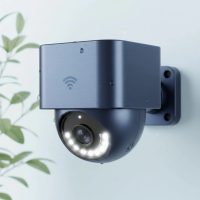
In an age where safeguarding our homes and businesses is more critical than ever, innovation in security technology offers powerful and sustainable solutions. One such game-changer is the solar security camera system, providing robust surveillance without the hassle of wires or constant electricity bills. These systems are transforming how we protect our properties, offering peace of mind through renewable energy. If you’re looking for a smart, eco-friendly way to keep an eye on things, a solar security camera system might just be your perfect match.
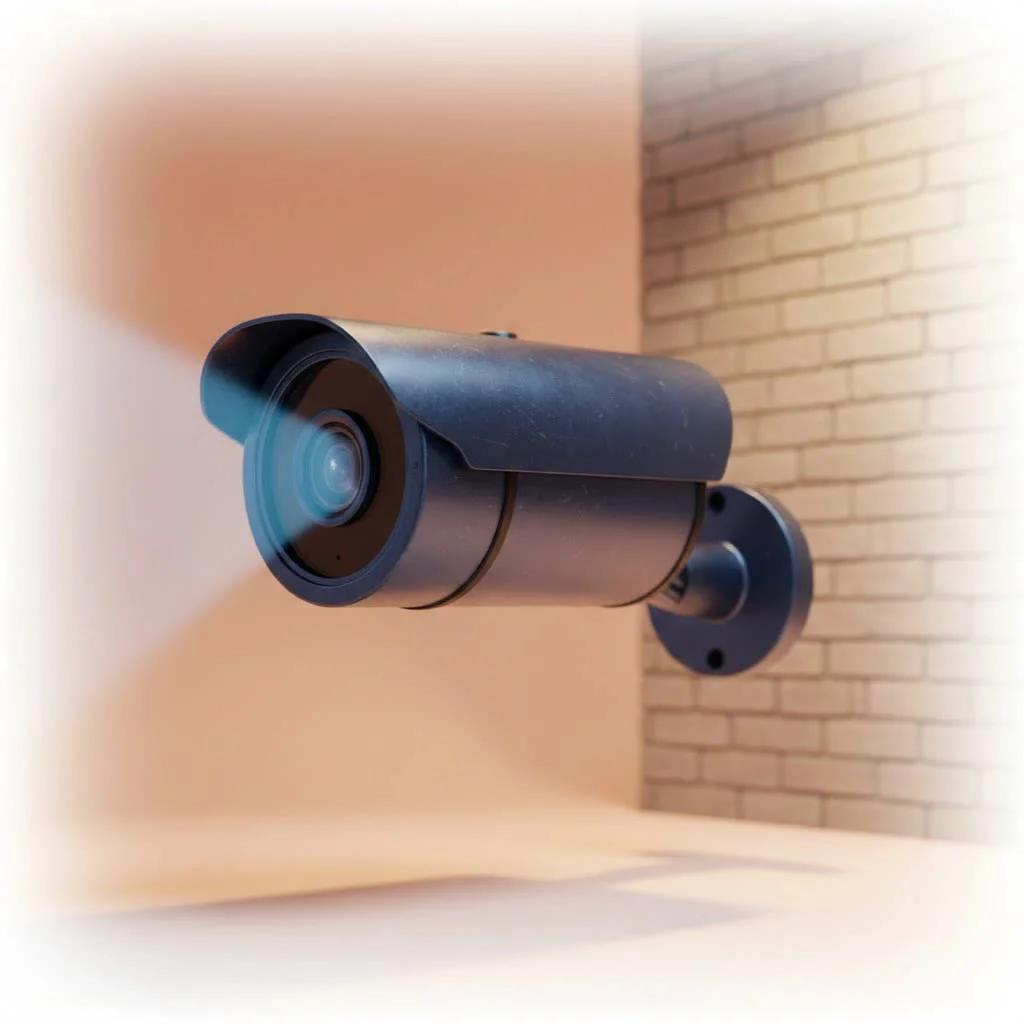
What is a Solar Security Camera System and How Does It Work?
At its core, a solar security camera system is a self-sufficient surveillance device powered by the sun. It integrates photovoltaic solar panels that capture sunlight, converting it into electrical energy. This energy then directly powers the camera unit and charges a built-in rechargeable battery, typically a high-capacity lithium-ion type.
How does it ensure continuous protection, even when the sun isn’t shining? The stored energy in the battery is precisely what keeps your camera running through the night, during cloudy days, or even in the event of a power outage. This ingenious design means your security remains vigilant 24/7, completely independent of your property’s electrical grid. The camera unit itself comes packed with features like motion sensors, night vision, and HD video recording, all powered by this sustainable energy source.
Why Choose a Solar Security Camera System? The Undeniable Benefits
The appeal of a solar security camera system goes far beyond simply “cutting the cord.” It offers a multitude of advantages that make it a superior choice for many homeowners and businesses.
Eco-Friendly and Sustainable
In a world increasingly conscious of its environmental impact, solar security cameras shine. By harnessing the sun’s energy, these systems significantly reduce your carbon footprint, contributing to a greener planet. Studies show that each household using such systems can reduce CO2 emissions by approximately 0.8 tons annually, making them a truly eco-friendly security choice.
Cost-Effective Surveillance
One of the most attractive benefits is the potential for significant long-term savings. Once installed, your solar security camera system runs on free solar energy, dramatically cutting down on electricity bills. Unlike traditional wired systems that incur ongoing power costs, solar-powered options can reduce energy expenses by up to 30%. Plus, you eliminate the costly and complex process of trenching wires, saving on installation labor and materials.
Flexible and Remote Deployment
Imagine placing a security camera exactly where you need it, regardless of power outlet proximity. Solar security cameras offer unparalleled installation flexibility. They are perfect for monitoring remote areas like detached garages, barns, construction sites, expansive backyards, or even properties entirely off-grid where running electrical wiring would be impractical or prohibitively expensive. This freedom of placement ensures comprehensive coverage tailored to your unique security needs.
24/7 Uninterrupted Monitoring
|
Our Picks for the Best Security Camera in 2026
As an Amazon Associate I earn from qualifying purchases.
|
||
| Num | Product | Action |
|---|---|---|
| 1 | TP-Link Tapo 1080P Indoor Security Camera for Baby Monitor, Dog Camera w/Motion Detection, 2-Way Audio Siren, Night Vision, Cloud & SD Card Storage, Works w/Alexa & Google Home (Tapo C100) |

|
| 2 | WYZE Cam v4 (Latest Model), 2.5K AI Security Camera, Indoor/Outdoor Cameras for Home Security, Baby Monitor & Pet Camera, Vibrant Color Night Vision, No Subscription Required, Free Expert Help |
|
| 3 | Security Cameras Wireless Outdoor-Solar&Battery Powered 2K 2.4G Cameras for Home Security, Instant Alert, AI Human Detection, Color Night Vision, 2-Way Talk, SD Storage, Work with Alexa, Z1 4P |
|
| 4 | Tapo TP-Link 2K Pan/Tilt Indoor Security Camera for Baby Monitor, Pet Camera, Motion Detection & Tracking, 2-Way Audio, Cloud & SD Card Storage, Works w/Alexa & Google Home, Black, C211(2-Pack) |
|
| 5 | WYZE Bulb Cam Security Camera, 2K HD Outdoor Light Bulb Camera, Color Night Vision, Dimmable LED Bulb, Motion Detection, Siren Alarm, Works w/Alexa/Google Assistant. Free Expert Support |
|
| 6 | Tapo 2K Pan/Tilt Security Camera for Baby Monitor, Dog Camera w/Motion Detection, 2-Way Audio Siren, Night Vision, Cloud&SD Card Storage, Works w/Alexa & Google Assistant, 2-Pack (Tapo C210P2) |
|
| 7 | WYZE Cam Pan v3 Indoor/Outdoor IP65-Rated 1080p Pan/Tilt/Zoom Wi-Fi Smart Home Security Camera with Color Night Vision, 2-Way Audio, Compatible with Alexa & Google Assistant, White, 2-Pack |
|
| 8 | Kasa Smart Indoor Pan-Tilt Home Security Camera, 1080p HD Dog Camera w/Night Vision, Motion Detection for Baby & Pet Monitor, Cloud & SD Card Storage, Works w/ Alexa & Google Home, 2.4G WiFi (EC71) |
|
| 9 | REOLINK 4K PoE Security Camera System Wired, 8pcs 8MP PoE Cameras, Smart Person/Vehicle Detection, 16CH NVR with 4TB HDD, H.265, 24/7 Recording, High Bitrate & Clear Stream, RLK16-800D8 |
|
| 10 | Security Cameras Wireless Outdoor,2K Indoor WiFi Wireless Cameras,Outside Battery Powered Camera for Home Security,AI Motion Detection,Color Night Vision,Spotlight,Siren Alarm,SD/Cloud Storage,2 Pack |
|
A common concern is, “Will it work at night or during bad weather?” The answer is a resounding yes! The integrated rechargeable batteries store enough power during the day to ensure continuous operation throughout the night and during periods of low sunlight. Many high-end systems are designed to provide uninterrupted surveillance for months on a single charge, guaranteeing that your property is always under watch, even during blackouts or natural disasters.
Easy Installation, Minimal Wiring
Forget about tangled wires and complicated setups. Solar security camera systems are largely wire-free, making installation remarkably straightforward. You won’t need an electrician to hardwire anything; simply mount the camera and its solar panel in an optimal location, connect them, and set up your system via an app. This DIY-friendly approach saves you time and money.
Key Features to Look for in Your Solar Security Camera
Choosing the right solar security camera system means understanding the features that truly matter for effective surveillance.
Crystal-Clear Resolution and Field of View
The clarity of your footage is paramount. Look for cameras offering high-definition resolutions like 1080p, 2K, or even 4K UHD. Higher resolution means sharper images, making it easier to identify faces, license plates, and other crucial details. A wide field of view (FOV), typically measured in degrees, ensures broader coverage of your property, reducing the number of cameras you might need. Some cameras also offer optical zoom capabilities for focusing on distant objects without losing image quality.
Advanced Night Vision Capabilities
Security threats don’t pause after dark. Modern solar security cameras come equipped with robust night vision. You’ll often find:
- Infrared (IR) Night Vision: Provides clear black-and-white footage in complete darkness.
- Color Night Vision: Achieved through built-in spotlights or starlight sensors, offering full-color video even in low-light conditions, which can be crucial for identifying details like clothing color.
Smart Motion Detection and Alerts
Effective security isn’t just about recording; it’s about being alerted when it matters most. Look for systems with intelligent motion detection that can differentiate between people, vehicles, and animals, significantly reducing false alarms. Customizable activity zones allow you to focus monitoring on specific areas, and instant mobile alerts ensure you’re always informed of suspicious activity in real-time.
Connectivity Options: Wi-Fi vs. 4G Cellular
How your camera communicates is vital, especially for remote locations.
- Wi-Fi Enabled: Most residential solar cameras connect to your home Wi-Fi network for live viewing and footage upload. This is ideal if you have a strong, stable Wi-Fi signal where the camera is installed.
- 4G Cellular Connectivity: For truly remote or off-grid areas without Wi-Fi, 4G cellular cameras are a game-changer. They use a cellular data plan to transmit video, offering reliable surveillance anywhere with cellular coverage.
Robust Storage Solutions: Local and Cloud
Where your footage is stored impacts accessibility and security.
- Local Storage: Many cameras include a microSD card slot, allowing you to store footage directly on the device. This provides subscription-free storage and keeps your data private. However, local storage has a limited capacity (e.g., 128GB-512GB) and is vulnerable to theft or damage if the camera is compromised.
- Cloud Storage: Footage is uploaded to a secure remote server, accessible from anywhere via an app. While often requiring a monthly subscription, cloud storage protects your footage even if the camera is stolen or damaged, offering an added layer of security. Many brands now offer flexible cloud plans, and some even provide limited free cloud storage.
Durability and Weather Resistance
Since these systems are designed for outdoor use, their ability to withstand the elements is critical. Look for cameras with an IP (Ingress Protection) rating of IP65 or IP66, indicating strong resistance to dust, rain, snow, and extreme temperatures. Robust casings, tamper-proof screws, and durable materials are essential to ensure your camera continues to perform reliably year-round, even in harsh weather conditions.
Two-Way Audio and PTZ Functionality
These features enhance interaction and control.
- Two-Way Audio: A built-in microphone and speaker allow you to listen in on your property and speak directly through the camera. This is great for greeting visitors, giving instructions to delivery drivers, or deterring potential intruders.
- Pan-Tilt-Zoom (PTZ): Some advanced solar cameras offer PTZ capabilities, allowing you to remotely control the camera’s viewing angle (pan horizontally, tilt vertically) and zoom in on specific areas. This provides a dynamic and comprehensive view of large spaces.
Installation Made Easy: Setting Up Your Solar Security Camera System
One of the great joys of a solar security camera system is its relatively simple installation. You don’t need to be an expert, but a little planning goes a long way.
Site Selection
The most crucial step is choosing the right spot. For optimal performance, your solar panel needs ample, unobstructed sunlight exposure for several hours a day. Consider:
- Sunlight Exposure: Observe your property throughout the day to identify areas that receive maximum direct sunlight. Avoid shaded spots from trees, buildings, or other structures.
- Optimal Viewing Angle: Position the camera to cover the desired surveillance area effectively. For solar panels, a slight tilt (e.g., 15°-20° in many regions) can maximize sun exposure, especially during different seasons.
- Wi-Fi/Cellular Signal: If your camera uses Wi-Fi, ensure the installation spot has a strong signal. For 4G cameras, verify cellular coverage.
Mounting Options
Most solar cameras come with mounting hardware designed for easy attachment to walls, eaves, or poles.
- Drill and Secure: Typically involves drilling pilot holes and securing the mount with screws.
- Adjustable Brackets: Many solar panels come with adjustable brackets, allowing you to fine-tune their angle for optimal sunlight collection.
Connecting and Initial Setup
Once mounted, connect the solar panel to the camera (if it’s a separate unit). Then, download the manufacturer’s mobile app and follow the on-screen instructions for connecting the camera to your network and configuring its settings. This usually involves scanning a QR code and following a few simple steps.
Maintaining Your Solar Security Camera System for Longevity
Solar security camera systems are generally low-maintenance, but a little care can ensure they operate efficiently for years.
Regular Cleaning of Solar Panels
Dust, dirt, leaves, and bird droppings can accumulate on your solar panels, reducing their efficiency. Periodically clean the panels with a soft cloth and water to ensure they absorb maximum sunlight. Depending on your environment, this might be once every few months or more frequently.
Battery Monitoring
While modern lithium-ion batteries are robust, it’s wise to occasionally check your camera’s battery status via its app, especially during extended periods of adverse weather (like a long stretch of cloudy days or heavy snowfall) or in colder climates. This helps you anticipate and address any potential power dips.
Software Updates
Keep your camera’s firmware and the accompanying mobile app updated. Manufacturers frequently release updates that improve performance, add new features, and patch security vulnerabilities.
Navigating the Challenges: What to Consider Before You Buy
While solar security camera systems offer incredible advantages, it’s important to be aware of certain considerations.
Reliance on Sunlight
The system’s core strength is also its primary limitation. If your property experiences prolonged periods of heavy cloud cover, extreme winter conditions with minimal daylight, or if the panels are consistently shaded, the battery may struggle to maintain a full charge. While batteries are designed to compensate, it’s a factor to weigh if your location is prone to such conditions.
Initial Investment
While saving money in the long run, solar security camera systems can have a higher upfront cost compared to basic wired or battery-only wireless cameras. This initial investment covers the solar panel, robust batteries, and often more advanced features. However, for many, the long-term savings and flexibility outweigh this initial outlay.
Bandwidth for Cloud Storage
If you opt for cloud-based storage, a stable and sufficient internet connection (Wi-Fi or cellular data) is crucial. Weak signals can lead to disruptions in live streaming or delays in uploading recorded footage, impacting the effectiveness of your surveillance.
Expert Insight: A Word from the Field
“After over 15 years in the security industry, I’ve seen countless technologies come and go,” says David Chen, a veteran security system architect. “But the solar security camera system is here to stay. It’s not just about energy independence; it’s about giving users unparalleled flexibility and peace of mind in areas that were once impossible to monitor effectively. The advancements in battery technology and AI integration make these systems incredibly powerful and reliable, truly empowering individuals to protect what matters most.”
Frequently Asked Questions (FAQ)
Do solar security cameras record 24/7?
Many higher-end solar security camera systems are designed for 24/7 continuous recording, especially those with larger solar panels and battery capacities. Lower-power models often use motion detection to trigger recording, conserving battery life while still capturing all critical events.
Do solar security cameras work at night or in cloudy weather?
Yes, absolutely. Solar security cameras have built-in rechargeable batteries that store excess energy generated during the day. This stored power allows them to operate effectively throughout the night and during extended periods of cloudy or rainy weather, ensuring uninterrupted surveillance.
Do solar security cameras require Wi-Fi or internet?
It depends on the specific model. Most solar cameras connect via Wi-Fi for remote viewing and cloud storage. However, for remote locations without Wi-Fi, there are solar security camera systems equipped with 4G cellular connectivity that can transmit data using a cellular plan, making them truly independent of a local internet connection.
How long do the batteries in solar security cameras last?
Battery life varies significantly based on factors like battery capacity, the amount of sunlight received, and camera usage (e.g., frequency of motion triggers, live viewing). High-capacity lithium-ion batteries in modern solar security camera systems can often power the camera for several months on a single charge, even with regular use.
Are solar security cameras worth the investment?
For many, a solar security camera system is a wise investment. They offer significant long-term savings on electricity costs, provide unparalleled flexibility for placement in remote or off-grid areas, promote environmental sustainability, and ensure robust 24/7 security without traditional wiring hassles. Their blend of innovation and practicality makes them a valuable asset for comprehensive property protection.
Conclusion
Embracing a solar security camera system means stepping into a smarter, greener, and more flexible future of home and business protection. With their ability to operate independently, reduce costs, and maintain vigilant surveillance day and night, these systems offer a powerful blend of innovation and practicality. As technology continues to evolve, solar-powered security stands out as a reliable, efficient, and environmentally conscious choice for anyone serious about safeguarding their property. It’s time to harness the sun’s power to protect your world, giving you ultimate control and peace of mind.
Get our weekly buyer guide
Practical specs, not advice. Unsubscribe anytime.