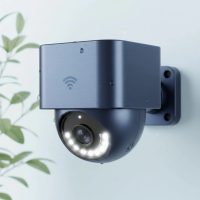
In today’s fast-paced world, keeping an eye on your property, loved ones, or business assets is more crucial than ever. While traditional security cameras have long served their purpose, they often come with a significant limitation: the need for a stable Wi-Fi connection. But what if you need surveillance in a remote cabin, a bustling construction site, a sprawling farm, or even a vehicle where Wi-Fi is just a pipe dream? This is where the 4G LTE security camera steps in, offering a revolutionary solution for truly flexible and reliable monitoring.
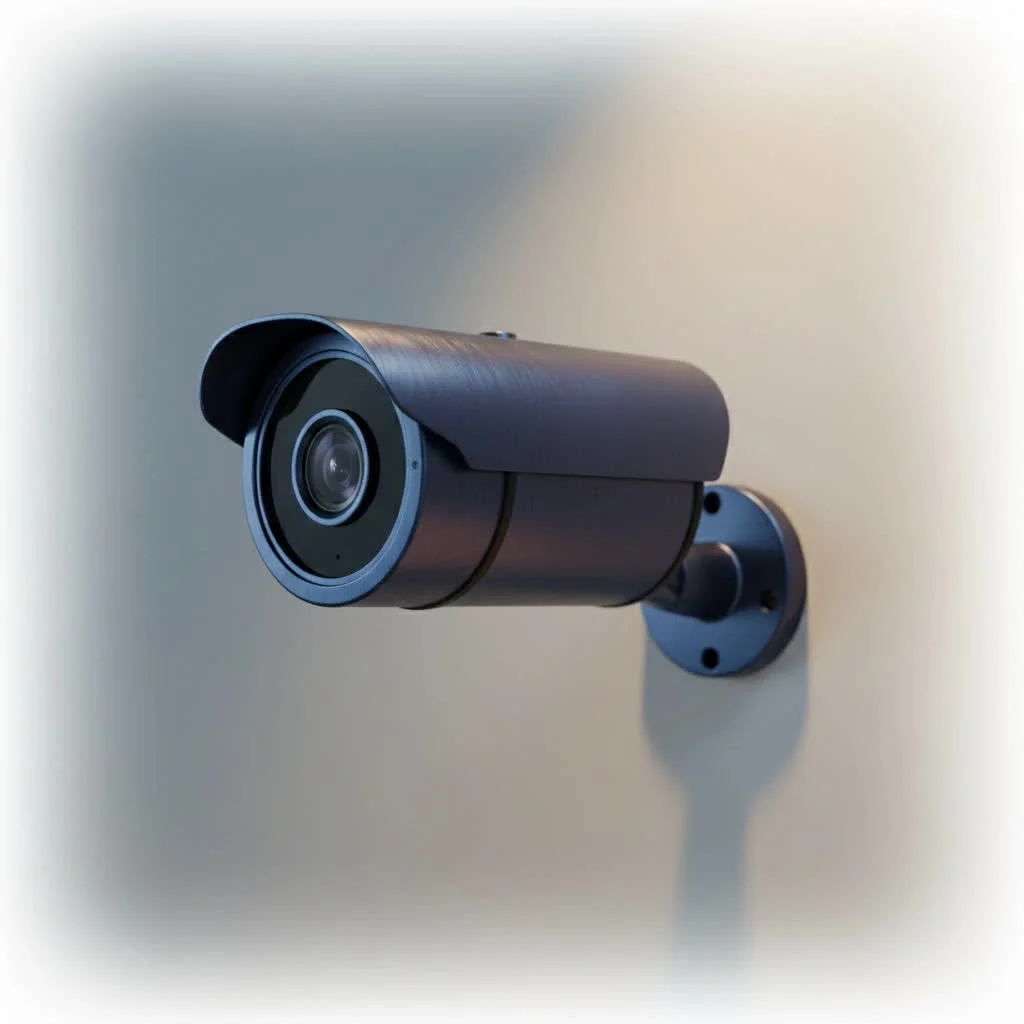
These innovative devices are changing the game, liberating your security system from the confines of a local network. Think of them as your smartphone’s security-focused cousin – equipped with a SIM card, they connect directly to cellular networks, giving you eyes on your world, anywhere there’s a signal. This means unparalleled freedom, peace of mind, and robust protection, even in the most challenging environments.
How Do 4G LTE Security Cameras Actually Work?
At its core, a 4G LTE security camera operates much like your mobile phone. Instead of relying on a Wi-Fi router, it houses a built-in 4G LTE modem and a slot for an activated SIM card. This allows the camera to connect directly to a cellular network, transmitting live video feeds, recorded footage, and instant alerts over mobile data.
When the camera captures video, it compresses the data and sends it securely over the 4G network to a cloud server. From there, you can access all the live or recorded footage directly from a dedicated app on your smartphone, tablet, or computer, no matter where you are in the world. This independent operation ensures continuous monitoring, even if your local power or internet goes out. It’s a self-contained security powerhouse.
The Power of Cellular Connectivity
The beauty of a 4G LTE security camera lies in its independence. It doesn’t need to be tethered to a router or an Ethernet cable. As long as there’s a 4G cellular signal, your camera is online and active. This makes it a perfect fit for locations that are difficult to reach or simply lack any internet infrastructure.
Essential Components
Behind the scenes, several key components work in harmony:
- Image Sensor and Lens: These capture the high-definition video footage.
- 4G LTE Module: The brain that connects the camera to the cellular network.
- SIM Card Slot: Where you insert your activated data-enabled SIM card.
- Battery or Power Source: Many are battery-operated, often complemented by solar panels for continuous power.
- Storage: Options include local storage via a microSD card and secure cloud storage.
- Software and Apps: The interface that allows you to manage settings, view feeds, and receive alerts.
Key Benefits of Embracing 4G LTE Security Cameras
Why should you consider a 4G LTE security camera? The advantages are plentiful, especially for those seeking flexible and reliable surveillance.
Unmatched Flexibility and Portability
|
Our Picks for the Best Security Camera in 2026
As an Amazon Associate I earn from qualifying purchases.
|
||
| Num | Product | Action |
|---|---|---|
| 1 | Kasa Smart Indoor Pan-Tilt Home Security Camera, 1080p HD Dog Camera w/Night Vision, Motion Detection for Baby & Pet Monitor, Cloud & SD Card Storage, Works w/ Alexa & Google Home, 2.4G WiFi (EC71) |

|
| 2 | REOLINK 4K PoE Security Camera System Wired, 8pcs 8MP PoE Cameras, Smart Person/Vehicle Detection, 16CH NVR with 4TB HDD, H.265, 24/7 Recording, High Bitrate & Clear Stream, RLK16-800D8 |
|
| 3 | Security Cameras Wireless Outdoor-Solar&Battery Powered 2K 2.4G Cameras for Home Security, Instant Alert, AI Human Detection, Color Night Vision, 2-Way Talk, SD Storage, Work with Alexa, Z1 4P |
|
| 4 | TP-Link Tapo 1080P Indoor Security Camera for Baby Monitor, Dog Camera w/Motion Detection, 2-Way Audio Siren, Night Vision, Cloud & SD Card Storage, Works w/Alexa & Google Home (Tapo C100) |
|
| 5 | WYZE Cam v4 (Latest Model), 2.5K AI Security Camera, Indoor/Outdoor Cameras for Home Security, Baby Monitor & Pet Camera, Vibrant Color Night Vision, No Subscription Required, Free Expert Help |
|
| 6 | Security Cameras Wireless Outdoor,2K Indoor WiFi Wireless Cameras,Outside Battery Powered Camera for Home Security,AI Motion Detection,Color Night Vision,Spotlight,Siren Alarm,SD/Cloud Storage,2 Pack |
|
| 7 | Tapo 2K Pan/Tilt Security Camera for Baby Monitor, Dog Camera w/Motion Detection, 2-Way Audio Siren, Night Vision, Cloud&SD Card Storage, Works w/Alexa & Google Assistant, 2-Pack (Tapo C210P2) |
|
| 8 | WYZE Cam Pan v3 Indoor/Outdoor IP65-Rated 1080p Pan/Tilt/Zoom Wi-Fi Smart Home Security Camera with Color Night Vision, 2-Way Audio, Compatible with Alexa & Google Assistant, White, 2-Pack |
|
| 9 | WYZE Bulb Cam Security Camera, 2K HD Outdoor Light Bulb Camera, Color Night Vision, Dimmable LED Bulb, Motion Detection, Siren Alarm, Works w/Alexa/Google Assistant. Free Expert Support |
|
| 10 | Tapo TP-Link 2K Pan/Tilt Indoor Security Camera for Baby Monitor, Pet Camera, Motion Detection & Tracking, 2-Way Audio, Cloud & SD Card Storage, Works w/Alexa & Google Home, Black, C211(2-Pack) |
|
Imagine moving your security camera from one construction site to another, or from your vacation home to your RV. With a 4G LTE security camera, this is effortless. Its wire-free and Wi-Fi-free nature means you can reposition it as needed, making it incredibly versatile for temporary setups or mobile applications.
Ideal for Remote Locations
This is where 4G LTE cameras truly shine. Farms, remote cabins, vacant properties, construction zones, barns, or even boats moored far from shore – these are all locations where traditional Wi-Fi cameras are useless. A 4G security camera ensures these valuable assets are protected, providing continuous oversight where it was once impossible.
Reliable Connectivity (No Wi-Fi Needed)
Unlike Wi-Fi cameras that are vulnerable to local internet outages, 4G LTE cameras maintain their connection as long as there’s cellular service. This means your surveillance remains uninterrupted, offering a consistent layer of security during power cuts or network failures.
Quick and Easy Setup
Forget the hassle of running wires or configuring complex network settings. Setting up a 4G LTE camera is often a “plug and play” experience. Insert a SIM card, power it on, and follow a few simple steps in the mobile app. Many users report a significantly easier deployment process compared to Wi-Fi systems.
Exploring the Different Types of 4G LTE Security Cameras
The market for 4G LTE security cameras is growing, offering a variety of models tailored to different needs.
Battery-Powered Models
Many 4G LTE cameras are designed to be entirely wire-free, running on long-lasting rechargeable batteries. These offer maximum flexibility in placement and are perfect for temporary monitoring or locations without easy access to power outlets.
Solar-Powered Options
To extend battery life indefinitely, many 4G LTE cameras come with or are compatible with solar panels. These eco-friendly solutions ensure continuous operation, harnessing the sun’s energy to keep your camera charged and online, even in off-grid scenarios.
Pan-Tilt-Zoom (PTZ) Cameras
For covering larger areas with a single device, 4G LTE PTZ cameras are an excellent choice. They allow you to remotely control the camera’s viewing angle, panning horizontally, tilting vertically, and zooming in for greater detail, providing comprehensive surveillance from afar.
Essential Features to Look For in a 4G LTE Security Camera
When choosing a 4G LTE security camera, several features can significantly enhance its performance and your overall security experience.
High-Resolution Video
For clear identification of faces, license plates, or other crucial details, look for cameras offering 1080p HD resolution or even 4K. High-definition footage is vital for evidence collection.
Night Vision Capabilities
Many 4G LTE cameras come equipped with infrared night vision, providing clear black-and-white footage in low light or complete darkness. Some advanced models even offer starlight night vision for color video in dimly lit conditions.
Motion Detection and Alerts
Effective motion detection is critical. Look for cameras with advanced PIR (Passive Infrared) sensors or AI-powered detection that can distinguish between humans, vehicles, and animals, minimizing false alarms. Instant alerts to your smartphone let you react quickly to potential threats.
Two-Way Audio
The ability to hear what’s happening and speak back through the camera adds an invaluable layer of security. This feature can be used to deter intruders or communicate with visitors.
Local and Cloud Storage
Having both local storage (via a microSD card) and cloud storage options provides redundancy and flexibility. Local storage ensures continuous recording even if the cellular connection is temporarily lost, while cloud storage offers easy remote access and protects footage from physical damage or theft.
Weather Resistance
For outdoor deployment, an IP65 or IP66 rating is essential. This indicates the camera is designed to withstand rain, dust, snow, and extreme temperatures, ensuring reliable operation in harsh weather conditions.
Setting Up Your 4G LTE Security Camera
Getting your 4G LTE security camera up and running is typically straightforward. Here’s a general guide:
Choosing the Right SIM Card and Data Plan
The first step is selecting an activated SIM card with a suitable data plan from a cellular provider that offers strong coverage in your desired installation area. Most cameras require a micro or nano SIM. Remember to disable any PIN code on the SIM card before insertion, as many cameras don’t support PIN entry. For most users, a 2-5 GB/month data plan is often sufficient, as cameras typically only transmit significant data during live viewing or motion-triggered events.
Installation Tips for Optimal Coverage
- Test Signal Strength: Before mounting, use your smartphone with the chosen SIM card to verify strong 4G signal strength at your intended location. A consistent signal is crucial for reliable performance.
- Mounting: Use the provided bracket and screws to securely attach the camera to a wall, pole, or other stable surface. Ensure it’s angled correctly to cover the desired area.
- Solar Panel Placement (if applicable): If using a solar panel, position it where it will receive maximum sunlight throughout the day, often facing south.
Configuring the Camera App
- Power On: Insert the SIM card and power on your camera. Wait for it to boot up and connect to the 4G network; you might hear a voice prompt confirming the connection.
- Download App: Install the manufacturer’s dedicated mobile app on your smartphone.
- Add Device: Open the app and select “Add new device.” Most apps allow you to scan a QR code located on the camera or its packaging, or manually enter the device ID.
- Initial Configuration: Follow the in-app wizard to set up a strong password, name your camera, and configure essential settings like motion detection sensitivity, video quality, and alert preferences.
Maintaining Your 4G LTE Security Camera
Like any sophisticated electronic device, a 4G LTE security camera benefits from a little TLC to ensure peak performance and longevity.
Battery Management
If your camera is battery-powered, regularly check the battery status via the app. For solar-powered models, ensure the solar panel remains clean and free of obstructions to maximize charging efficiency.
Data Plan Monitoring
Keep an eye on your data usage through your cellular provider’s app or website. Adjust video quality settings or reduce live viewing frequency if you consistently approach your data cap to avoid overage charges.
Firmware Updates
Always install manufacturer firmware updates when available. These updates often include security patches, performance enhancements, and new features that keep your camera functioning optimally.
Frequently Asked Questions About 4G LTE Security Cameras
Are 4G LTE security cameras worth the investment?
Absolutely! If you need surveillance in remote areas, locations without Wi-Fi, or require continuous monitoring during internet outages, 4G LTE security cameras are an invaluable investment. Their flexibility, reliability, and ease of deployment offer peace of mind that traditional cameras simply cannot match in these scenarios.
How much data do 4G security cameras typically use?
Data usage varies significantly based on factors like video resolution, recording frequency, and how often you access live view. However, most 4G cameras are designed to be data-efficient, using minimal data in standby mode. For typical usage (motion-triggered recordings and occasional live checks), a 2-5 GB monthly data plan is often sufficient. If you plan for continuous streaming, you’ll need a larger plan.
Do 4G cameras need Wi-Fi to operate?
No, that’s their primary advantage! 4G LTE security cameras operate entirely on cellular networks using a SIM card and a data plan, making them ideal for locations where Wi-Fi is unavailable, unreliable, or nonexistent.
Can I use any SIM card with a 4G camera?
Generally, you’ll need an activated 4G LTE compatible SIM card from a cellular carrier with good coverage in your installation area. It’s crucial to check the camera manufacturer’s recommendations and ensure the SIM card’s data plan is active and any PIN codes are disabled.
What happens if the 4G signal is weak?
A weak 4G signal can impact video quality, streaming reliability, and alert delivery. It’s essential to test the signal strength at your chosen installation spot before deployment. Some cameras come with external antennas that can help improve reception in areas with marginal signal.
Conclusion
4G LTE security cameras represent a significant leap forward in surveillance technology, offering unparalleled freedom and reliability for monitoring virtually any location. Whether you’re safeguarding a remote property, managing a dynamic construction site, or simply seeking an untethered security solution, these cameras provide the vital connection and peace of mind you need. By understanding how they work, their numerous benefits, and the key features to look for, you can confidently choose, install, and maintain a 4G LTE security camera system that truly meets your needs, ensuring your world is protected, no matter how far off the grid it may be. Take the leap into truly flexible security and experience the freedom of 4G LTE surveillance today!
Get our weekly buyer guide
Practical specs, not advice. Unsubscribe anytime.