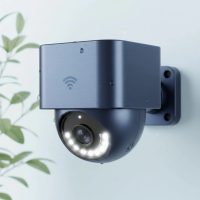
Hey there, security enthusiast! Are you looking to beef up your property’s defenses without the hassle of tangled wires, hefty electricity bills, or complicated installations? Then you’re in the right place! Solar powered wireless security cameras are quickly becoming the go-to solution for homeowners and businesses alike, offering a blend of cutting-edge technology, environmental responsibility, and unmatched convenience. Forget about hunting for power outlets or digging trenches for cables; these ingenious devices harness the sun’s energy to keep a watchful eye on your home, farm, or business, day and night.
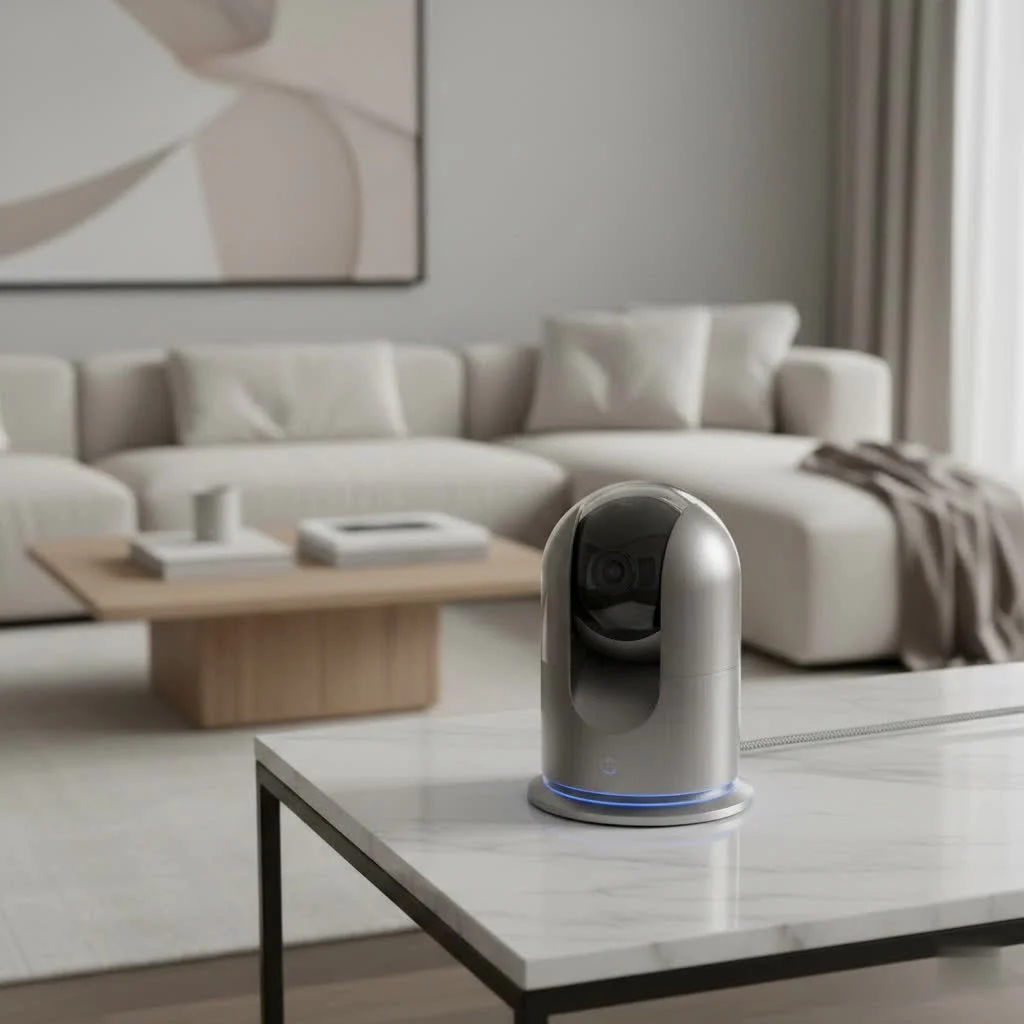
At Ydmrw.com, we’re all about empowering you with the knowledge to make smart, secure choices. So, let’s dive into everything you need to know about integrating solar powered wireless security cameras into your defense strategy, making your property safer and smarter, the Ydmrw way! For browse all home articles on this site.
How Solar Powered Wireless Security Cameras Work
Imagine a security system that powers itself, completely off the grid. That’s the magic of solar powered wireless security cameras. These systems are an elegant blend of solar energy harvesting and wireless communication, providing robust surveillance with minimal fuss.
At the heart of every solar wireless security camera system lies a solar panel. During daylight hours, these photovoltaic panels diligently capture sunlight and convert it into electrical energy. This isn’t just to power the camera at that moment; it’s also used to charge a built-in rechargeable battery, typically a high-capacity lithium-ion type. This stored energy is the secret sauce, ensuring your camera continues to operate seamlessly even when the sun isn’t shining—through cloudy days or deep into the night.
For communication, these cameras rely on wireless connectivity, primarily 2.4GHz Wi-Fi, or for truly remote locations, 4G LTE cellular networks. This means they can send live and recorded video feeds directly to your smartphone or tablet, no matter where you are.
Key Components Overview
- Solar Panels: The energy collectors, converting sunlight into usable electricity.
- Rechargeable Batteries: Energy storage units, crucial for continuous operation when solar power isn’t available.
- Camera Unit: Equipped with essential surveillance features like motion detection, night vision, and HD video recording.
- Wireless Module: For Wi-Fi or 4G LTE connectivity, enabling remote access and alerts.
Key Benefits of Solar Powered Wireless Security Cameras
Choosing solar-powered security isn’t just a trend; it’s a smart, sustainable decision packed with practical advantages.
Wire-Free Freedom and Flexible Placement
One of the most compelling reasons homeowners and businesses are flocking to these cameras is the sheer freedom they offer. Without the need for electrical wiring, you can literally place your cameras almost anywhere there’s ample sunlight. This is incredibly useful for monitoring remote areas of your property like driveways, backyards, sheds, construction sites, or even barns, where running power cables would be costly and complicated.
Eco-Friendly and Cost-Saving
|
Our Picks for the Best Security Camera in 2026
As an Amazon Associate I earn from qualifying purchases.
|
||
| Num | Product | Action |
|---|---|---|
| 1 | WYZE Cam Pan v3 Indoor/Outdoor IP65-Rated 1080p Pan/Tilt/Zoom Wi-Fi Smart Home Security Camera with Color Night Vision, 2-Way Audio, Compatible with Alexa & Google Assistant, White, 2-Pack |

|
| 2 | WYZE Bulb Cam Security Camera, 2K HD Outdoor Light Bulb Camera, Color Night Vision, Dimmable LED Bulb, Motion Detection, Siren Alarm, Works w/Alexa/Google Assistant. Free Expert Support |
|
| 3 | Tapo 2K Pan/Tilt Security Camera for Baby Monitor, Dog Camera w/Motion Detection, 2-Way Audio Siren, Night Vision, Cloud&SD Card Storage, Works w/Alexa & Google Assistant, 2-Pack (Tapo C210P2) |
|
| 4 | WYZE Cam v4 (Latest Model), 2.5K AI Security Camera, Indoor/Outdoor Cameras for Home Security, Baby Monitor & Pet Camera, Vibrant Color Night Vision, No Subscription Required, Free Expert Help |
|
| 5 | Security Cameras Wireless Outdoor,2K Indoor WiFi Wireless Cameras,Outside Battery Powered Camera for Home Security,AI Motion Detection,Color Night Vision,Spotlight,Siren Alarm,SD/Cloud Storage,2 Pack |
|
| 6 | REOLINK 4K PoE Security Camera System Wired, 8pcs 8MP PoE Cameras, Smart Person/Vehicle Detection, 16CH NVR with 4TB HDD, H.265, 24/7 Recording, High Bitrate & Clear Stream, RLK16-800D8 |
|
| 7 | TP-Link Tapo 1080P Indoor Security Camera for Baby Monitor, Dog Camera w/Motion Detection, 2-Way Audio Siren, Night Vision, Cloud & SD Card Storage, Works w/Alexa & Google Home (Tapo C100) |
|
| 8 | Security Cameras Wireless Outdoor-Solar&Battery Powered 2K 2.4G Cameras for Home Security, Instant Alert, AI Human Detection, Color Night Vision, 2-Way Talk, SD Storage, Work with Alexa, Z1 4P |
|
| 9 | Tapo TP-Link 2K Pan/Tilt Indoor Security Camera for Baby Monitor, Pet Camera, Motion Detection & Tracking, 2-Way Audio, Cloud & SD Card Storage, Works w/Alexa & Google Home, Black, C211(2-Pack) |
|
| 10 | Kasa Smart Indoor Pan-Tilt Home Security Camera, 1080p HD Dog Camera w/Night Vision, Motion Detection for Baby & Pet Monitor, Cloud & SD Card Storage, Works w/ Alexa & Google Home, 2.4G WiFi (EC71) |
|
In an era where sustainability is key, solar cameras shine. By harnessing renewable solar energy, you significantly reduce your reliance on traditional electricity, lowering your carbon footprint and contributing to a greener future. This eco-conscious choice also translates into tangible savings on your energy bills, making them a cost-effective long-term solution. Think about it: once installed, your security system essentially powers itself for free!
Continuous Surveillance, Day and Night
Thanks to their integrated battery systems, solar security cameras provide uninterrupted monitoring. During the day, the solar panel charges the battery while powering the camera. At night or during extended periods of low light, the camera draws power from the stored energy, ensuring 24/7 vigilance. Modern batteries are designed to last for months on a single charge, easily weathering several weeks of dark skies.
Easy Installation
The wire-free nature of these cameras simplifies installation dramatically. You don’t need to be an electrician or a cabling expert. Most systems are designed for DIY setup, often involving just mounting the camera and solar panel, inserting a SIM card (for 4G models), and pairing with a mobile app. This saves you both time and the expense of professional installation.
Essential Features to Look for in a Solar Security Camera
When it comes to choosing the right solar powered wireless security camera, not all models are created equal. Here’s what to consider to ensure you get the best fit for your needs:
Video Resolution: 2K, 4K, and Color Night Vision
Clear footage is paramount for effective security. While 1080p is common, many premium solar cameras now offer 2K or even 4K resolution for sharper, more detailed images, which is vital for identifying faces or license plates. Don’t forget night vision! Most cameras feature infrared (IR) night vision for clear black-and-white footage in the dark. However, for enhanced detail, look for models with color night vision or integrated spotlights that illuminate the area for full-color recording even at night.
Advanced Motion Detection: PIR vs. AI-powered
Basic motion detection often relies on Passive Infrared (PIR) sensors, triggering recordings when heat signatures move within the camera’s field of view. While effective, these can sometimes lead to false alarms from animals or swaying trees. AI-powered motion detection is a game-changer, intelligently differentiating between people, pets, vehicles, and packages, significantly reducing irrelevant alerts and ensuring you’re only notified about what truly matters.
Two-Way Audio and Siren
For immediate deterrence and communication, two-way audio is a must-have. This feature allows you to listen in on the camera’s surroundings and speak directly through a built-in speaker via your smartphone app, letting you greet visitors or warn off intruders. Many cameras also include an integrated siren that you can activate remotely to scare away unwanted guests.
Storage Options: Local (SD Card) vs. Cloud
How your footage is stored is crucial.
- Local storage typically involves a microSD card slot, allowing you to save recordings directly on the device. This offers privacy and avoids ongoing subscription fees.
- Cloud storage uploads footage to a secure online server. While often requiring a subscription, it provides convenient access from anywhere and safeguards recordings even if the camera is stolen or damaged. Many systems offer a hybrid approach, combining both options.
Battery Capacity and Solar Panel Efficiency
A robust battery capacity (measured in mAh) and an efficient solar panel are key to consistent performance. Higher capacity batteries can sustain operation longer during cloudy periods, and larger, more efficient solar panels ensure quicker recharging. Some cameras have integrated solar panels, while others use separate panels connected by a cable, offering more flexibility in panel placement.
Durability and Weather Resistance
Since these cameras live outdoors, they must withstand the elements. Look for models with an IP rating (e.g., IP65, IP67) indicating resistance to dust and water. They should be designed to operate reliably in a wide range of temperatures, from freezing winters to scorching summers.
Connectivity: Wi-Fi and 4G LTE
Most solar cameras connect via your home’s 2.4GHz Wi-Fi network. If you’re looking to secure a remote cabin, a large farm, or a construction site without Wi-Fi access, a 4G LTE security camera with a SIM card is your best bet, providing surveillance wherever cellular service is available.
Choosing the Right Solar Powered Wireless Security Camera for Your Needs
Selecting the perfect solar camera involves a bit of self-reflection about your specific circumstances.
Home vs. Remote Locations
For standard home security within Wi-Fi range, a reliable Wi-Fi enabled solar camera will suffice. However, if you’re looking to monitor a remote property, a hunting lodge, or a large agricultural area without existing Wi-Fi, a 4G LTE cellular model is essential. These cameras use a SIM card, similar to your mobile phone, to transmit data over a cellular network.
Budget Considerations
Solar security cameras come in a wide price range. While affordable options exist, investing a bit more can get you higher resolution, better battery life, advanced AI features, and more robust construction. Balance your security requirements with your budget, remembering that the long-term energy savings contribute to overall value.
Integrated vs. Separate Solar Panels
Some cameras have solar panels built directly into their design (e.g., EufyCam 3), offering a compact, all-in-one solution. Others come with separate solar panels that connect to the camera via a cable (e.g., Arlo, Reolink). Separate panels often provide more flexibility in placement, allowing you to position the panel in optimal sunlight while the camera is placed for the best viewing angle, even if it’s in a shaded spot.
Step-by-Step Installation Guide
Installing your solar powered wireless security camera is generally straightforward, but proper planning ensures optimal performance.
Pre-Installation Checklist
Before you grab your drill, make sure you have:
- Your solar powered wireless security camera system (camera, solar panel, mounting brackets).
- Mounting tools: drill, screws, screwdriver, and a ladder for high placements.
- A stable Wi-Fi network or an activated 4G SIM card with sufficient data (for 4G models).
- A fully charged camera battery (charge it indoors before installation for the first time).
- Your smartphone with the manufacturer’s mobile app downloaded.
Optimal Placement for Camera and Solar Panel
Strategic placement is crucial for both surveillance coverage and solar charging efficiency.
- Camera Placement: Install cameras at least 8-10 feet above the ground for a wide view and to deter tampering. Angle the camera to capture entry points clearly, like driveways or gates. Avoid pointing directly at strong light sources to prevent glare.
- Solar Panel Placement: This is key! Mount the solar panel in a location that receives direct sunlight for at least 6 hours daily, especially during peak sun hours. In the Northern Hemisphere, a south-facing spot is usually ideal, while in the Southern Hemisphere, a north-facing spot is preferred. Avoid obstructions like trees or buildings that could cast shadows. If you have a separate solar panel, use the cable to position it optimally, even if the camera itself is in a slightly shaded area.
Mounting the Camera and Solar Panel
- Assemble the Mounting Bracket: Securely attach the camera mount to a solid surface like a wall or pole using the provided screws and a drill. Use wall anchors if drilling into masonry.
- Attach the Solar Panel: If it’s a separate panel, attach its bracket near the camera, ensuring it faces the direction of maximum sunlight. Connect the solar panel cable to your camera.
- Secure the Camera: Attach the camera unit to its bracket and adjust for the best field of view. Use security screws if provided to deter theft.
Connecting and Configuring via App
- Insert SIM or Connect Wi-Fi: For 4G models, insert the activated SIM card. For Wi-Fi models, follow the app’s instructions to connect the camera to your home network.
- Pair with Mobile App: Open the manufacturer’s app, create an account, and add your device. This often involves scanning a QR code on the camera.
- Adjust Settings and Test: Customize motion detection sensitivity, recording schedules, and alert preferences. Verify that the live feed and motion detection are working correctly.
Maintenance Tips for Longevity
Solar powered wireless security cameras are designed for low maintenance, but a little routine care can significantly extend their lifespan and performance.
Cleaning Solar Panels
Monthly or bi-monthly cleaning of your solar panels is crucial. Dust, dirt, leaves, and bird droppings can accumulate on the panel’s surface, reducing its efficiency in converting sunlight into electricity. A quick wipe with a damp cloth is usually all it takes.
Monitoring Battery Health
While batteries are designed for longevity, it’s wise to periodically check the battery level via your mobile app. If the camera consistently operates at low battery, especially during periods of extended bad weather or low sunlight, consider bringing it indoors for a full recharge if feasible. This helps maintain battery health, especially in colder climates where charging efficiency can decrease below 32°F (0°C).
Firmware Updates
Always keep your camera’s firmware updated through the mobile app. Manufacturers regularly release updates that improve security, add new features, and optimize performance.
Expert Insight: “The Future of Security is Green”
“Solar-powered wireless security cameras are not just a convenience; they represent a significant leap towards sustainable and resilient security infrastructure, offering unparalleled flexibility and reliability in diverse environments,” says Dr. Elara Vance, a renowned expert in renewable energy integration for security systems. “They empower users to secure areas previously deemed too complex or costly to monitor, all while championing environmental responsibility. The future of security is undoubtedly green.”
FAQs
Q: Can solar cameras work without Wi-Fi?
A: Yes! If your property doesn’t have Wi-Fi, look for solar security cameras with 4G LTE connectivity. These cameras use a cellular data plan, similar to a smartphone, to send video and alerts.
Q: How long do solar security camera batteries last?
A: With adequate daily sunlight, a solar camera’s battery can theoretically last indefinitely, as it’s continuously recharged. Most built-in batteries can hold a charge for one to six months on their own, allowing the camera to operate through several weeks of low sun.
Q: What resolution is best for a solar security camera?
A: While 1080p (Full HD) is good, for clearer details and better identification, 2K or 4K (Ultra HD) resolution is highly recommended.
Q: Do solar cameras record 24/7?
A: Most solar security cameras are designed for efficiency and primarily record when motion is detected to conserve battery life. However, higher-end models with larger solar panels and battery capacities can offer continuous 24/7 recording, even in adverse weather conditions.
Q: Are solar cameras good for cold climates?
A: Solar cameras are generally built to withstand cold temperatures (often down to -4°F/-20°C). However, cold weather can reduce battery charging efficiency and may require bringing the camera indoors for a full recharge during prolonged periods of minimal sunlight or extreme cold.
Conclusion
Installing a solar powered wireless security camera is truly simpler than most people expect, eliminating the need for complex wiring, expensive electricians, and constant hassle. By understanding how these clever devices work, what features matter most, and how to set them up and maintain them properly, you can enjoy robust, uninterrupted security with clean, renewable power.
Whether you’re safeguarding a bustling business, a sprawling rural property, or your cozy family home, solar powered wireless security cameras offer a sustainable and reliable solution for year-round protection. Embrace the future of security – it’s wire-free, eco-friendly, and always on guard! Ready to make the switch? Explore the best options for your needs and start building a smarter, greener security system today!
Get our weekly buyer guide
Practical specs, not advice. Unsubscribe anytime.