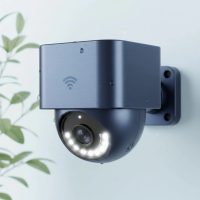
In today’s rapidly evolving world, traditional security measures often fall short, leaving homes and businesses vulnerable. But what if you could see what’s invisible to the naked eye? What if you could detect threats regardless of lighting conditions, harsh weather, or even cleverly concealed attempts? This is where the power of the thermal security camera comes into play, revolutionizing how we approach safety and surveillance. At Ydmrw, we’re passionate about equipping you with the knowledge to create impenetrable security systems, and understanding thermal technology is a cornerstone of that mission.
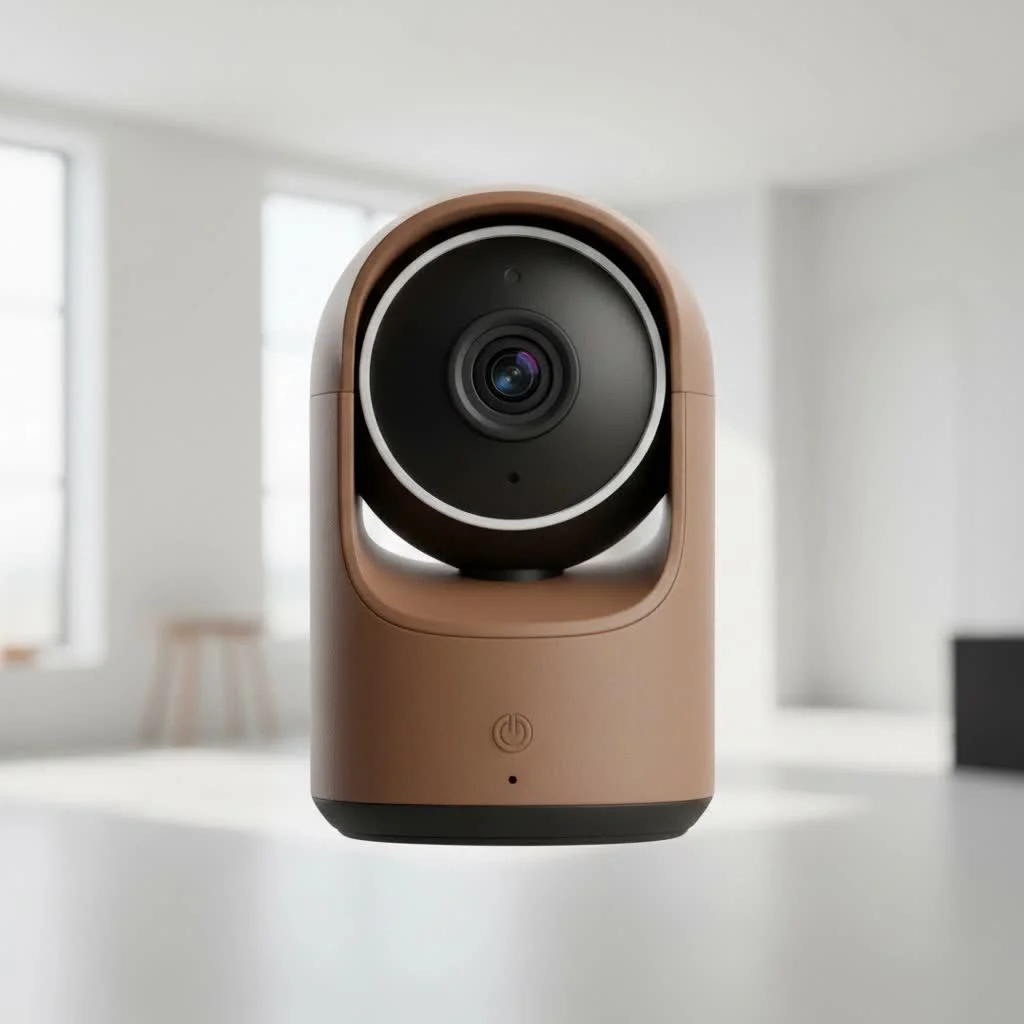
What Exactly is a Thermal Security Camera and How Does it Work?
Imagine a world where shadows can’t hide, and darkness offers no cover. That’s the world a thermal security camera operates in. Unlike your everyday visible light cameras that rely on illumination to capture images, thermal cameras are fascinating pieces of technology that “see” heat.
Seeing Beyond the Visible: The Science Behind Thermal Imaging
Every object, animal, and human with a temperature above absolute zero emits infrared radiation – essentially, heat. A thermal security camera is equipped with specialized sensors, often microbolometers, that are incredibly sensitive to these infrared wavelengths. These sensors don’t measure light; they detect the minute temperature differences emitted by everything in their field of view.
Think of it like this: an optical lens in the camera focuses this invisible infrared energy onto the detector array. This array then converts the heat patterns into electronic signals. An image processor takes these signals and creates a visual representation on a screen, which we call a thermogram. Warmer objects might appear in shades of yellow or orange, while cooler areas are depicted in blues and purples. This process happens in real-time, giving you a clear “heat map” of your environment, day or night. It’s truly like having a superpower to perceive the world in a whole new dimension.
Why Choose Thermal? Unveiling the Key Advantages
You might be wondering, “Why should I consider a thermal security camera over a standard one?” The answer lies in their distinctive capabilities that address critical gaps in conventional surveillance.
Unmatched Visibility in Challenging Conditions
One of the standout advantages of thermal imaging is its ability to perform where traditional cameras fail. Whether it’s the dead of night, dense fog, heavy smoke, light rain, or even through light foliage, thermal cameras cut through visual obscurants by detecting heat signatures. This means an intruder can’t simply hide in the dark or use bad weather as a cloak. “Thermal cameras really shine when visibility is compromised,” notes security expert, David Chen. “They offer a constant, reliable feed that isn’t dependent on ambient light.”
Drastically Reducing False Alarms
|
Our Picks for the Best Security Camera in 2026
As an Amazon Associate I earn from qualifying purchases.
|
||
| Num | Product | Action |
|---|---|---|
| 1 | Tapo 2K Pan/Tilt Security Camera for Baby Monitor, Dog Camera w/Motion Detection, 2-Way Audio Siren, Night Vision, Cloud&SD Card Storage, Works w/Alexa & Google Assistant, 2-Pack (Tapo C210P2) |

|
| 2 | Security Cameras Wireless Outdoor,2K Indoor WiFi Wireless Cameras,Outside Battery Powered Camera for Home Security,AI Motion Detection,Color Night Vision,Spotlight,Siren Alarm,SD/Cloud Storage,2 Pack |
|
| 3 | WYZE Cam v4 (Latest Model), 2.5K AI Security Camera, Indoor/Outdoor Cameras for Home Security, Baby Monitor & Pet Camera, Vibrant Color Night Vision, No Subscription Required, Free Expert Help |
|
| 4 | Kasa Smart Indoor Pan-Tilt Home Security Camera, 1080p HD Dog Camera w/Night Vision, Motion Detection for Baby & Pet Monitor, Cloud & SD Card Storage, Works w/ Alexa & Google Home, 2.4G WiFi (EC71) |
|
| 5 | Tapo TP-Link 2K Pan/Tilt Indoor Security Camera for Baby Monitor, Pet Camera, Motion Detection & Tracking, 2-Way Audio, Cloud & SD Card Storage, Works w/Alexa & Google Home, Black, C211(2-Pack) |
|
| 6 | REOLINK 4K PoE Security Camera System Wired, 8pcs 8MP PoE Cameras, Smart Person/Vehicle Detection, 16CH NVR with 4TB HDD, H.265, 24/7 Recording, High Bitrate & Clear Stream, RLK16-800D8 |
|
| 7 | TP-Link Tapo 1080P Indoor Security Camera for Baby Monitor, Dog Camera w/Motion Detection, 2-Way Audio Siren, Night Vision, Cloud & SD Card Storage, Works w/Alexa & Google Home (Tapo C100) |
|
| 8 | WYZE Bulb Cam Security Camera, 2K HD Outdoor Light Bulb Camera, Color Night Vision, Dimmable LED Bulb, Motion Detection, Siren Alarm, Works w/Alexa/Google Assistant. Free Expert Support |
|
| 9 | Security Cameras Wireless Outdoor-Solar&Battery Powered 2K 2.4G Cameras for Home Security, Instant Alert, AI Human Detection, Color Night Vision, 2-Way Talk, SD Storage, Work with Alexa, Z1 4P |
|
| 10 | WYZE Cam Pan v3 Indoor/Outdoor IP65-Rated 1080p Pan/Tilt/Zoom Wi-Fi Smart Home Security Camera with Color Night Vision, 2-Way Audio, Compatible with Alexa & Google Assistant, White, 2-Pack |
|
Are you tired of your conventional motion-activated cameras triggering alarms for a stray cat, a gust of wind rustling leaves, or shifting shadows? Thermal security cameras identify variations in heat, not just movement. This significantly reduces the nuisance of false alarms, allowing your security team (or you!) to focus on genuine threats. By detecting actual heat sources, these cameras provide more accurate threat detection, leading to a more efficient and reliable security system.
Extended Detection Range for Wide Area Coverage
For large properties, expansive perimeters, or sprawling industrial sites, covering vast distances with traditional cameras can be costly and complex. Thermal cameras offer an extended detection range, capable of identifying human-sized objects from significant distances – sometimes up to 1.5 kilometers or even more for high-end models. This makes them an incredibly cost-effective solution for monitoring vast outdoor areas like parking lots, critical infrastructure, or agricultural lands with fewer cameras.
Prioritizing Privacy with Non-Intrusive Monitoring
In scenarios where privacy is a concern, such as public spaces or specific commercial settings, thermal security cameras can be particularly beneficial. They capture heat signatures, showing the presence of individuals without revealing identifiable facial features or other personal details. This non-intrusive approach ensures effective surveillance while upholding privacy standards, a crucial balance in modern security solutions.
24/7 Reliability and Low Maintenance
Because they don’t rely on visible light, thermal cameras provide consistent performance around the clock, offering true 24/7 surveillance. While their initial investment might be higher than traditional cameras, thermal cameras often prove more cost-effective over their lifespan due to reduced maintenance needs. They don’t require external lighting, which means lower energy consumption and fewer components to service, making them a “set it and forget it” solution for reliable long-term security.
Thermal vs. Traditional Night Vision: Knowing the Difference
It’s common for people to confuse thermal cameras with night vision cameras, but they operate on fundamentally different principles. Understanding this distinction is key to choosing the right tool for your security needs.
Decoding the Core Distinction: Light vs. Heat
Traditional night vision cameras (often seen in a green monochrome glow in movies) work by amplifying existing ambient light, like starlight or moonlight. Some also use an infrared illuminator to “light up” the scene with invisible IR light, which the camera then picks up. They excel at providing clearer, more natural-looking images for identification when there’s some light available. However, in absolute darkness, dense fog, or thick smoke, their effectiveness drops dramatically because there’s little to no light to amplify.
A thermal security camera, as we’ve discussed, detects heat. It creates an image based purely on temperature differences, completely independent of light. This means it can “see” in total darkness, through smoke, fog, and even light camouflage that would render a night vision camera useless. While night vision helps you identify who is there, thermal imaging is primarily about detecting that someone (or something warm) is present.
The Power of Combination: Best of Both Worlds
For ultimate security, many experts, including our team at Ydmrw, recommend a hybrid approach. Using a thermal security camera for initial detection, especially over long distances or in challenging conditions, can significantly enhance your perimeter defense. Once a thermal camera detects a heat signature, a linked visible light or night vision camera can then be used to zoom in and capture identifiable details. This combination offers both superior detection and clear identification, providing a comprehensive and robust surveillance system.
Where Thermal Security Cameras Shine: Key Applications
The versatility of thermal security cameras makes them invaluable across a wide spectrum of applications, far beyond basic home security.
Protecting Critical Infrastructure and Large Perimeters
Thermal cameras are the go-to solution for safeguarding high-value assets and expansive areas. Think airports, nuclear power plants, electrical substations, oil and gas refineries, and national borders. Their extended detection range and ability to operate 24/7 in any weather make them ideal for perimeter security, enabling early detection of potential intruders before they become a serious threat. “For mission-critical sites, thermal imaging isn’t just an option, it’s a necessity,” says security professional, Liam O’Connell.
Industrial Monitoring and Predictive Maintenance
In industrial settings, thermal cameras are indispensable for preventing costly downtime and ensuring operational safety. They can detect abnormal heating patterns on machinery, electrical panels, or pipelines, indicating potential mechanical or electrical issues before they escalate. This allows for proactive maintenance, addressing problems before they lead to equipment failure or safety hazards.
Enhancing Safety in Environmental and Building Inspections
From identifying heat loss in commercial buildings due to poor insulation to detecting concealed pests or water leaks within structures, thermal imaging offers a non-invasive way to pinpoint problems. This capability helps property managers and maintenance teams address issues efficiently, saving energy and preventing further damage.
Beyond Security: Fire Prevention and Temperature Monitoring
Thermal cameras can be configured for early fire detection by monitoring specific temperature thresholds. If a temperature exceeds a set limit or changes too rapidly, the system can trigger an immediate alarm, potentially averting disaster. Furthermore, they are used for general temperature monitoring, crucial in various processes where temperature control is critical, providing real-time data and alerts.
Choosing Your Thermal Security Camera: Essential Features to Consider
Selecting the right thermal security camera involves understanding several key features to match your specific security objectives.
Understanding Resolution and Detection Capabilities
Just like visible light cameras, thermal cameras come with varying resolutions. A higher resolution, such as 640×480, provides more detail and longer detection ranges, making it optimal for critical infrastructure or scenarios requiring precise analysis. For wide-area monitoring where the primary goal is detection within a shorter range (e.g., 50 meters), a lower resolution like 320×120 might be sufficient and more budget-friendly. It’s all about balancing your need for detail with the area you need to cover.
Lens Options and Field of View
The lens of your thermal camera significantly impacts its performance. A lens with a greater focal length will offer higher magnification, ideal for detecting objects at very long distances. Conversely, a smaller focal length provides a wider field of view, better suited for monitoring broader areas. Carefully consider what your deployment needs most – whether it’s long-range detection or comprehensive wide-area surveillance – to choose the appropriate lens.
Dual-Vision and Advanced Analytics
Many modern thermal security cameras offer dual-vision capabilities, combining thermal imaging with a visible light sensor. This hybrid approach gives you the best of both worlds: thermal for detection and visible light for identification. Moreover, advanced built-in analytics, such as human and vehicle classification, tripwire, fence guard, and loitering detection, can significantly enhance the camera’s intelligence, reducing false alarms and providing more actionable alerts. Some models even feature temperature exception alarms for fire prevention, monitoring for unusual heat spikes.
Robustness and Cybersecurity
A security camera is only as good as its resilience. Look for thermal security cameras with robust ratings like IP66 (weatherproof), NEMA 4X (corrosion resistance), and IK10 (vandal resistance) if they are to be deployed in harsh outdoor environments. Equally important are cybersecurity features such as signed firmware, secure boot, and ONVIF compliance. These ensure that your camera is protected against unauthorized access and malware, and that it can seamlessly integrate with your existing video management system (VMS). “Cybersecurity isn’t an afterthought; it’s fundamental to any modern security system,” advises Sarah Lee, a cybersecurity expert.
Installing and Configuring Your Thermal Security Camera System
Proper installation and configuration are paramount to unlocking the full potential of your thermal security camera. It’s not just about plugging it in; it’s about strategic deployment.
Strategic Mounting and Placement for Optimal Coverage
When mounting your thermal camera, height and angle are crucial. For optimal perimeter security, consider mounting cameras at a minimum height of 4 meters (around 13 feet) with a steep “look down” angle to minimize sky in the field of view. Positioning cameras so their fields of view run parallel to the perimeter and perpendicular to potential intruder movement will maximize detection probability and minimize false alarms. For larger areas, ensure that camera fields of view overlap to eliminate any blind spots. Always mount cameras on stable fixtures to prevent vibrations from affecting image quality.
Connecting to Your Network: Wired and Wireless Options
Connecting your thermal security camera to your network is typically straightforward. Most cameras support Ethernet connections for reliable wired access, but many newer models also offer Wi-Fi for wireless flexibility. Ensure your network infrastructure can support the camera’s data stream and that you configure network settings, including IP addresses, correctly. This connectivity allows for remote monitoring, recording, and alarm notifications.
Software Configuration: Setting Up Detection Rules and Alarms
Once physically installed and connected, the real power comes from configuring the camera’s software. Access the camera’s web interface or use dedicated management software provided by the manufacturer. Here, you can define specific detection rules:
- Fire/Smoke Detection: Set temperature thresholds or smoke detection parameters.
- Intrusion Detection: Define virtual tripwires or intrusion zones.
- Temperature Monitoring: Configure alerts for abnormal temperature readings in specific areas.
- Shield Areas: Utilize shield areas to block out sections of the camera’s view that might cause false alarms (e.g., a hot exhaust vent).
Configure trigger actions, such as sending email alerts, activating audible alarms, or initiating video recording when a rule is violated.
The Importance of Calibration and Maintenance
For precise temperature measurement applications, some thermal cameras require calibration with a “blackbody” device, which provides a constant, known temperature reference. This device should be positioned within the camera’s field of view. Additionally, thermal cameras, like any sophisticated electronic device, benefit from regular maintenance, including checking for firmware updates, cleaning lenses, and ensuring all connections are secure. Be aware that thermal images may momentarily “stick” or pause for internal calibration, which is a normal operational aspect to ensure image uniformity and accuracy.
Common Questions About Thermal Security Cameras (FAQ)
Can thermal cameras see through walls?
No, thermal cameras cannot see through solid objects like walls, doors, or dense vegetation. They detect surface temperature, so they can only “see” the heat radiating from the exterior surface of an object. However, they can sometimes detect heat differentials on a wall that might indicate a heat source on the other side.
Do thermal cameras work in daylight?
Yes, thermal cameras work equally well in daylight as they do in complete darkness. They detect heat signatures, which are independent of visible light. Sunlight can heat surfaces, but the camera still registers the heat emitted by objects, allowing it to “see” people or animals distinctly.
Are thermal cameras expensive?
Generally, the initial cost of thermal security cameras is higher than traditional visible light cameras due to their specialized technology. However, their superior performance in challenging conditions, reduced false alarms, and ability to cover large areas with fewer units can make them a more cost-effective long-term investment, especially for critical security applications.
Can thermal cameras identify faces?
No, thermal cameras do not capture images with enough detail to identify faces or other distinguishing features like clothing colors. They display objects based on their heat signatures. For identification, they are often paired with high-resolution visible light cameras or night vision systems.
What is the best resolution for a thermal security camera?
The “best” resolution depends on your specific needs. For general wide-area detection over shorter distances, resolutions like 320×120 or 320×240 might suffice. For longer detection ranges, greater image detail, and critical infrastructure monitoring, higher resolutions such as 640×480 are typically recommended.
Conclusion
Thermal security cameras represent a significant leap forward in surveillance technology, offering unparalleled detection capabilities in conditions where traditional cameras are blind. From piercing through the darkest night and dense fog to minimizing false alarms and covering vast perimeters, these cameras provide a robust layer of security that empowers you to protect what matters most. By understanding how they work, their distinct advantages, and how to effectively deploy them, you can leverage the power of thermal imaging to create an intelligent, reliable, and truly 24/7 security system. Explore the possibilities, and safeguard your world with the advanced insights a thermal security camera can provide.
Get our weekly buyer guide
Practical specs, not advice. Unsubscribe anytime.