An AI security camera is a surveillance device that uses sophisticated machine learning algorithms and computer vision to analyze video feeds in real-time, distinguishing between genuine threats and irrelevant motion. Unlike traditional CCTV systems that passively record footage and are prone to false alarms from pixel changes, AI cameras process visual data with near-human intelligence, providing actionable insights and transforming security into a preventative strategy. This technology significantly reduces false positives, ensuring users are only alerted to events that truly matter.
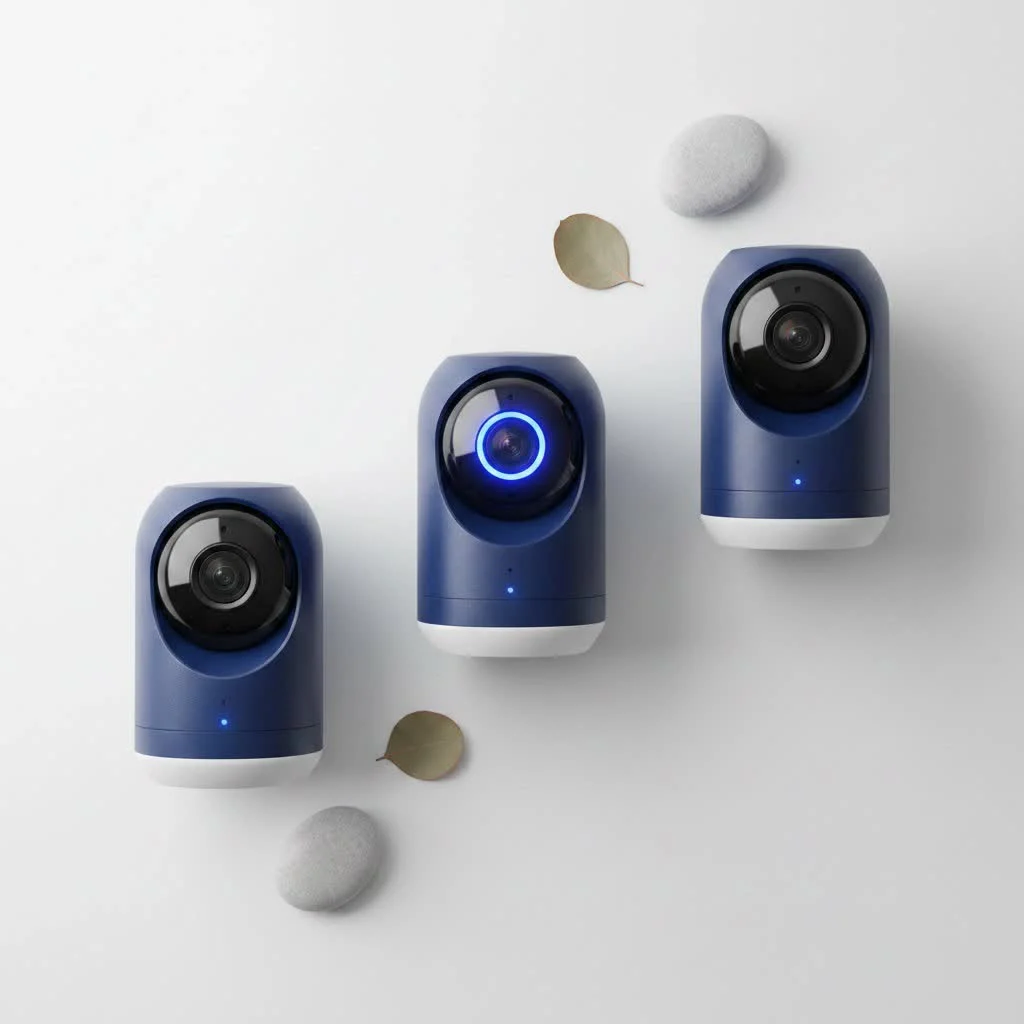
As the founder of Ydmrw.com, with over 15 years of hands-on experience in the security industry, I’ve witnessed this technological shift firsthand. The move towards AI isn’t just a trend; it’s a fundamental upgrade in how we protect our properties. An AI security camera uses sophisticated machine learning algorithms to analyze video feeds instantly, making intelligent decisions about what constitutes a genuine threat.
How Do AI Security Cameras Actually Work?
At its core, an AI security camera leverages computer vision, a field of artificial intelligence that trains computers to interpret and understand the visual world. Unlike traditional cameras that rely on simple pixel changes to detect motion—often leading to frustrating false alarms from swaying trees, passing shadows, or wandering animals—AI systems process visual data with near-human intelligence.
They achieve this through powerful onboard processors or cloud-based analytics. The system analyzes shapes, patterns, and movements, cross-referencing them against vast datasets. This allows the camera to learn the difference between a falling leaf and a person approaching your door, or a stray cat versus a vehicle pulling into your driveway. This analytical power is what drastically reduces false positives and ensures you are only alerted to events that truly matter.
Key Features That Make AI Security Cameras a major upgrade
The intelligence of an AI security camera unlocks a suite of powerful features that were once the stuff of science fiction. These capabilities provide a level of detail and accuracy that legacy systems simply cannot match.
Smart Object Detection
This is the foundational feature of most AI cameras. Instead of a generic “motion detected” alert, you receive specific, categorized notifications. Common detection categories include:
- Person Detection: The camera alerts you only when it identifies a human figure.
- Vehicle Detection: Useful for monitoring driveways, parking lots, and restricted zones.
- Animal Detection: Helps you ignore notifications from pets or wildlife, keeping your alert feed clean.
- Package Detection: Many modern AI cameras can now notify you when a package has been delivered and can even alert you if it’s removed.
Facial Recognition and Familiar Face Alerts
|
Our Picks for the Best Security Camera in 2026
As an Amazon Associate I earn from qualifying purchases.
|
||
| Num | Product | Action |
|---|---|---|
| 1 | Tapo TP-Link 2K Pan/Tilt Indoor Security Camera for Baby Monitor, Pet Camera, Motion Detection & Tracking, 2-Way Audio, Cloud & SD Card Storage, Works w/Alexa & Google Home, Black, C211(2-Pack) |

|
| 2 | Security Cameras Wireless Outdoor-Solar&Battery Powered 2K 2.4G Cameras for Home Security, Instant Alert, AI Human Detection, Color Night Vision, 2-Way Talk, SD Storage, Work with Alexa, Z1 4P |
|
| 3 | Tapo 2K Pan/Tilt Security Camera for Baby Monitor, Dog Camera w/Motion Detection, 2-Way Audio Siren, Night Vision, Cloud&SD Card Storage, Works w/Alexa & Google Assistant, 2-Pack (Tapo C210P2) |
|
| 4 | WYZE Cam Pan v3 Indoor/Outdoor IP65-Rated 1080p Pan/Tilt/Zoom Wi-Fi Smart Home Security Camera with Color Night Vision, 2-Way Audio, Compatible with Alexa & Google Assistant, White, 2-Pack |
|
| 5 | TP-Link Tapo 1080P Indoor Security Camera for Baby Monitor, Dog Camera w/Motion Detection, 2-Way Audio Siren, Night Vision, Cloud & SD Card Storage, Works w/Alexa & Google Home (Tapo C100) |
|
| 6 | WYZE Cam v4 (Latest Model), 2.5K AI Security Camera, Indoor/Outdoor Cameras for Home Security, Baby Monitor & Pet Camera, Vibrant Color Night Vision, No Subscription Required, Free Expert Help |
|
| 7 | WYZE Bulb Cam Security Camera, 2K HD Outdoor Light Bulb Camera, Color Night Vision, Dimmable LED Bulb, Motion Detection, Siren Alarm, Works w/Alexa/Google Assistant. Free Expert Support |
|
| 8 | Kasa Smart Indoor Pan-Tilt Home Security Camera, 1080p HD Dog Camera w/Night Vision, Motion Detection for Baby & Pet Monitor, Cloud & SD Card Storage, Works w/ Alexa & Google Home, 2.4G WiFi (EC71) |
|
| 9 | Security Cameras Wireless Outdoor,2K Indoor WiFi Wireless Cameras,Outside Battery Powered Camera for Home Security,AI Motion Detection,Color Night Vision,Spotlight,Siren Alarm,SD/Cloud Storage,2 Pack |
|
| 10 | REOLINK 4K PoE Security Camera System Wired, 8pcs 8MP PoE Cameras, Smart Person/Vehicle Detection, 16CH NVR with 4TB HDD, H.265, 24/7 Recording, High Bitrate & Clear Stream, RLK16-800D8 |
|
Taking person detection a step further, advanced AI cameras can learn and recognize specific faces. By building a database of friends, family, and trusted individuals, the system can send you highly personalized alerts like “Sarah has arrived home” or, more critically, “Unfamiliar face detected at the front door.” This feature is invaluable for access control and provides peace of mind.
Behavior Analysis and Anomaly Detection
Intelligent video analytics can identify unusual or suspicious behaviors. The AI establishes a baseline of normal activity for a given scene and flags deviations. This could include:
- Loitering Detection: Alerting you if someone is lingering in a specific area for an unusual length of time.
- Line Crossing: Triggering an alarm when a person or vehicle crosses a pre-defined virtual boundary.
- Crowd Formation: Monitoring for the sudden gathering of a large group of people.
As security specialist Johnathan Carter notes, “The real power of AI in surveillance isn’t just identifying threats, but often in predicting them. Behavior analysis allows us to spot the precursor to an incident, giving us a crucial window to act before a situation escalates.”
AI Security Camera vs. Traditional Cameras: A Head-to-Head Comparison
To truly appreciate the advancement, it’s helpful to see a direct comparison between the old and the new guard of security surveillance.
| Feature | Traditional Security Camera | AI Security Camera |
|---|---|---|
| Motion Detection | Pixel-based, prone to false alarms | Object-based, high accuracy |
| Alerts | Generic “Motion Detected” | Specific “Person/Vehicle/Package Detected” |
| Video Analysis | Manual review required after an event | Real-time analysis and instant alerts |
| Recognition | None | Facial recognition, license plate recognition |
| Search Function | Time/date-based search | Search by event type, person, or object |
| Proactive Ability | Low (passive recording) | High (predictive analysis, real-time deterrence) |
How to Choose the Right AI Security Camera for You
Navigating the market for an AI security camera can be daunting, but focusing on a few key areas will help you make an informed decision tailored to your specific needs.
Consider Your Environment
Where you plan to install the camera is the first critical factor. An outdoor camera needs to be weatherproof (look for an IP66 rating or higher) and equipped with robust night vision capabilities, such as infrared (IR) or color night vision. Indoor cameras can be more discreet but may need a wider field of view to cover an entire room.
Subscription vs. Local Processing
AI analysis requires significant processing power. Some cameras perform this “on the edge,” meaning right on the device itself using a built-in processor. This is great for privacy and avoids subscription fees. Other systems rely on cloud processing, which often requires a monthly subscription but can offer more powerful features and continuous updates. Weigh the long-term cost against the benefits and your comfort level with cloud storage.
Integration with Your Smart Home
For a truly seamless experience, ensure the camera you choose integrates with your existing smart home ecosystem, such as Amazon Alexa, Google Assistant, or Apple HomeKit. This allows you to use voice commands, link the camera to other smart devices (like turning on lights when a person is detected), and manage your security from a central app.
Frequently Asked Questions (FAQ)
What is the main benefit of an AI camera?
The primary benefit is the dramatic reduction of false alarms. By intelligently distinguishing between genuine threats (like a person) and irrelevant motion (like a tree branch), an AI camera ensures that the alerts you receive are meaningful and actionable.
Do AI security cameras require a subscription?
It varies by brand and model. Some cameras offer basic AI features with local processing and no fee, while more advanced features like extended cloud storage or familiar face recognition often require a monthly subscription.
Can AI cameras recognize specific people?
Yes, many high-end AI cameras offer facial recognition technology. You can create a database of known individuals, and the camera will alert you when it sees them or, more importantly, when it sees a stranger.
Are AI security cameras more expensive than traditional ones?
Generally, the initial cost of an AI security camera is higher than a basic, non-intelligent camera. However, the long-term value from enhanced security, reduced false alarms, and powerful features often justifies the investment.
How does AI improve night vision?
AI can enhance night vision by more accurately identifying objects in low-light conditions. It can help distinguish a person from surrounding shadows, reduce noise in the image, and in some advanced models, use algorithms to generate clearer, more detailed color images even in near-darkness.
The Future of Your Security is Intelligent
Upgrading to an AI security camera is one of the most significant steps you can take to bolster the protection of your home or business. It represents a shift from passive observation to active, intelligent monitoring. By reducing unwanted alerts, providing specific and detailed information, and enabling faster response times, these cameras empower you to be truly in control of your security. Welcome to the smarter way to watch over what matters most.
Frequently Asked Questions
What is the main benefit of an AI security camera?
The primary benefit of an AI security camera is the dramatic reduction of false alarms, often by over 90% compared to traditional systems. By intelligently distinguishing between genuine threats like a person and irrelevant motion such as a tree branch, an AI camera ensures that the alerts you receive are meaningful and actionable, saving you time and improving response efficiency.
Do AI security cameras require a monthly subscription fee?
The requirement for a subscription varies by brand and model. Some AI security cameras offer basic AI features with local processing, avoiding monthly fees for core functions. However, more advanced features like extended cloud storage, familiar face recognition, or continuous updates often necessitate a monthly subscription, typically ranging from $5 to $20 per month.
Can AI cameras recognize specific individuals?
Yes, many high-end AI security cameras offer facial recognition technology. Users can create a database of known individuals, such as family members or employees, allowing the camera to send personalized alerts when these specific people are detected. More critically, it can also alert you when an unfamiliar face is identified at a monitored entry point.
Are AI security cameras more expensive than traditional models?
Generally, the initial cost of an AI security camera is higher than a basic, non-intelligent camera, often starting from $100-$200 for entry-level models. However, the long-term value from enhanced security, significantly reduced false alarms, and powerful features like object detection and behavior analysis often justifies this investment, providing superior protection and peace of mind.
How does artificial intelligence improve night vision capabilities?
AI significantly enhances night vision by more accurately identifying objects in low-light conditions. It uses algorithms to distinguish a person from surrounding shadows, reduce image noise, and in some advanced models, generate clearer, more detailed color images even in near-darkness, improving detection accuracy by up to 30% compared to non-AI night vision.
How to Choose the Right AI Security Camera
Selecting an AI security camera involves considering your environment, processing preferences, and smart home integration to ensure optimal protection.
Determine where the camera will be installed. Outdoor cameras require an IP66 weatherproof rating or higher and robust night vision (infrared or color). Indoor cameras can be more discreet but may need a wider field of view to cover an entire room effectively.
Decide between cameras that process AI on the device (local processing, often no subscription) or those relying on cloud processing (typically requires a monthly subscription). Local processing offers greater privacy, while cloud processing can provide more advanced features and continuous updates.
Ensure the camera integrates seamlessly with your existing smart home ecosystem, such as Amazon Alexa, Google Assistant, or Apple HomeKit. This allows for voice commands, linking with other smart devices (e.g., lights turning on with detection), and centralized management via a single app.
Get our weekly buyer guide
Practical specs, not advice. Unsubscribe anytime.
I was so tired of getting false alarms from my old CCTV system every time a branch moved in the wind. Upgrading to an AI security camera has been a game-changer. It really does distinguish between genuine threats and irrelevant motion, which means I only get alerts when something truly important is happening. My peace of mind has significantly improved.
The real-time analysis feature of these AI cameras is impressive. I appreciate how it processes visual data with near-human intelligence; it’s a huge step up from just passively recording footage. The setup was a bit more involved than I expected, but the results are worth it for the reduced false positives.
Having worked in security for years, I’ve seen the shift towards AI firsthand. This technology is a fundamental upgrade in how we protect properties. The ability to get actionable insights instead of just raw footage is invaluable for both home and business use. Highly recommend making the switch.
I got an AI security camera hoping to transform my security into a preventative strategy, and it mostly delivers. The machine learning algorithms are good at identifying actual threats. My only minor complaint is that the app can be a little clunky sometimes, making it slow to review events quickly. Otherwise, it’s a solid system.