Are you tired of grainy, indistinct security footage that leaves you guessing when it matters most? Imagine a world where every detail, from a suspicious face to a license plate number, is crystal clear, providing undeniable evidence and unparalleled peace of mind. Welcome to the era of the 4K security camera system, a true game-changer in safeguarding your home or business. At Ydmrw.com, we believe that informed choices lead to superior security, and today, we’re diving deep into why 4K isn’t just a buzzword, but a necessity for modern surveillance.
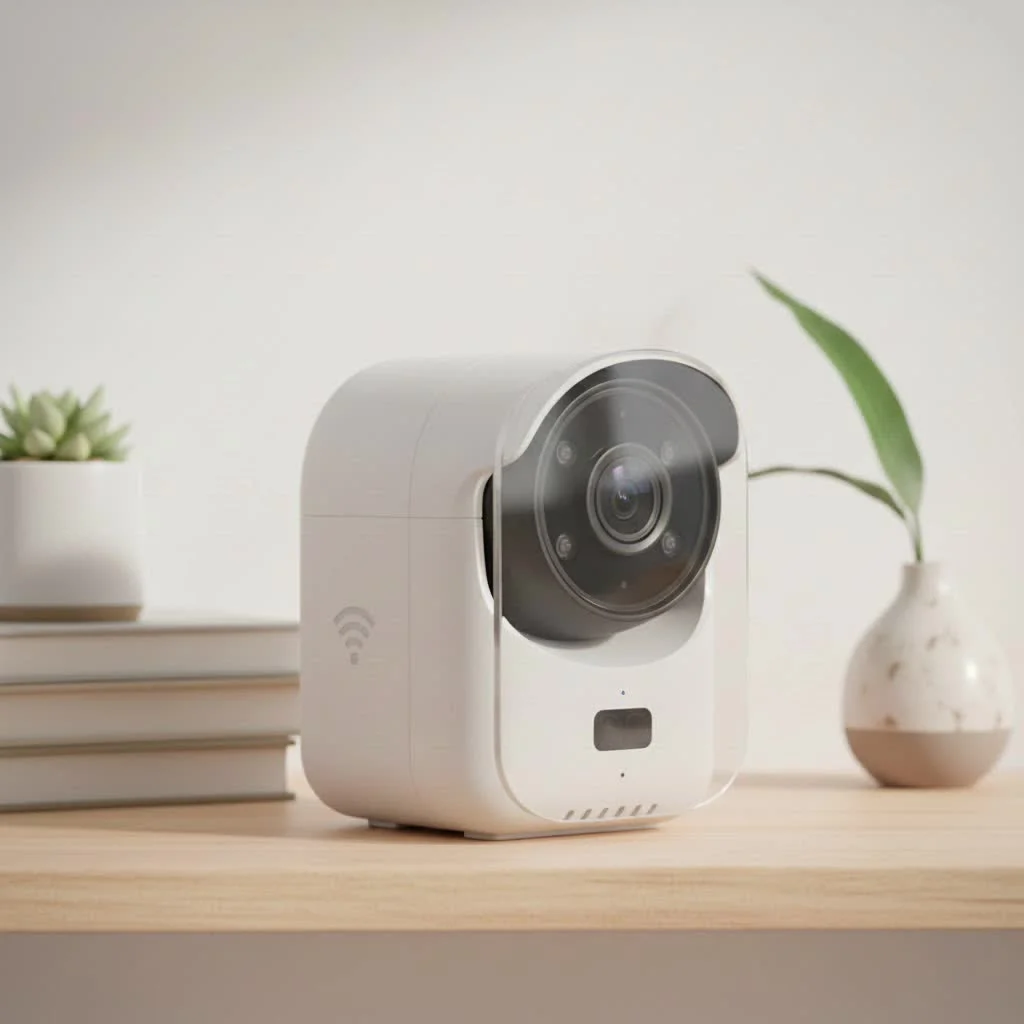
What Makes 4K Security Camera Systems a Game-Changer?
For years, “HD” was the gold standard in video quality. But 4K, also known as Ultra HD, has raised the bar dramatically. It’s not just a minor upgrade; it’s a fundamental shift in how we capture and view security footage.
The Power of Pixels: Understanding 4K Resolution
So, what exactly does “4K” mean for your security camera system? It refers to a display resolution of 3840 x 2160 pixels. To put that in perspective, a 4K camera captures an image with approximately eight million pixels, which is four times the pixel count of a standard 1080p HD camera. More pixels mean more visual information, resulting in an image that is significantly sharper and more detailed. Think of it like comparing a finely detailed painting to a rough sketch – the difference is immediately apparent and critically important for surveillance.
Beyond Clarity: Key Benefits of a 4K System
The benefits of upgrading to a 4K security camera system extend far beyond just pretty pictures. They translate directly into enhanced security and greater peace of mind.
- Unmatched Detail for Identification: This is arguably the most crucial advantage. With four times the resolution of 1080p, 4K cameras capture intricate details like facial features, clothing specifics, and even license plate numbers with incredible precision. In the unfortunate event of an incident, this level of detail can be invaluable for law enforcement and evidence gathering. “In security, every pixel counts,” notes cybersecurity expert Anya Sharma. “4K resolution dramatically improves the chances of positive identification, turning blurry unknowns into actionable intelligence.”
- Superior Digital Zoom: Ever tried to zoom in on old security footage only to be met with a pixelated mess? 4K cameras change that. Because they start with so much more detail, you can digitally zoom into specific areas of interest on live or recorded footage without losing significant clarity. This means you can scrutinize a suspicious package, a distant figure, or a car in your parking lot with much greater effectiveness.
- Wider Area Coverage, Fewer Cameras: Thanks to their high resolution, a single 4K camera can effectively monitor a larger area while maintaining sharp image quality. This can potentially reduce the number of cameras needed to cover an expansive property, leading to simpler installation and potentially lower overall system costs in the long run. Fewer cameras often mean fewer blind spots and a more streamlined monitoring process.
- Enhanced Deterrence: A clear, visible 4K security camera system acts as a powerful deterrent. Potential intruders are far less likely to attempt criminal activity when they know they are being monitored by high-resolution cameras capable of capturing detailed, identifiable evidence. It sends a clear message: “You will be seen, and you will be caught.”
- Future-Proofing Your Security: Technology evolves rapidly, and security systems are no exception. Investing in a 4K security camera system means you’re adopting the current high-definition standard, ensuring your surveillance infrastructure remains relevant and compatible with evolving technologies for years to come. This foresight protects your investment and keeps your security robust.
Choosing Your Perfect 4K Security Camera System
Selecting the right 4K security camera system involves understanding your needs and the technical options available. It’s about finding the balance between performance, reliability, and ease of use.
Wired vs. Wireless: Which is Right for You?
|
Our Picks for the Best Security Camera in 2026
As an Amazon Associate I earn from qualifying purchases.
|
||
| Num | Product | Action |
|---|---|---|
| 1 | TP-Link Tapo 1080P Indoor Security Camera for Baby Monitor, Dog Camera w/Motion Detection, 2-Way Audio Siren, Night Vision, Cloud & SD Card Storage, Works w/Alexa & Google Home (Tapo C100) |

|
| 2 | WYZE Bulb Cam Security Camera, 2K HD Outdoor Light Bulb Camera, Color Night Vision, Dimmable LED Bulb, Motion Detection, Siren Alarm, Works w/Alexa/Google Assistant. Free Expert Support |
|
| 3 | Security Cameras Wireless Outdoor,2K Indoor WiFi Wireless Cameras,Outside Battery Powered Camera for Home Security,AI Motion Detection,Color Night Vision,Spotlight,Siren Alarm,SD/Cloud Storage,2 Pack |
|
| 4 | WYZE Cam v4 (Latest Model), 2.5K AI Security Camera, Indoor/Outdoor Cameras for Home Security, Baby Monitor & Pet Camera, Vibrant Color Night Vision, No Subscription Required, Free Expert Help |
|
| 5 | Tapo TP-Link 2K Pan/Tilt Indoor Security Camera for Baby Monitor, Pet Camera, Motion Detection & Tracking, 2-Way Audio, Cloud & SD Card Storage, Works w/Alexa & Google Home, Black, C211(2-Pack) |
|
| 6 | Kasa Smart Indoor Pan-Tilt Home Security Camera, 1080p HD Dog Camera w/Night Vision, Motion Detection for Baby & Pet Monitor, Cloud & SD Card Storage, Works w/ Alexa & Google Home, 2.4G WiFi (EC71) |
|
| 7 | REOLINK 4K PoE Security Camera System Wired, 8pcs 8MP PoE Cameras, Smart Person/Vehicle Detection, 16CH NVR with 4TB HDD, H.265, 24/7 Recording, High Bitrate & Clear Stream, RLK16-800D8 |
|
| 8 | Tapo 2K Pan/Tilt Security Camera for Baby Monitor, Dog Camera w/Motion Detection, 2-Way Audio Siren, Night Vision, Cloud&SD Card Storage, Works w/Alexa & Google Assistant, 2-Pack (Tapo C210P2) |
|
| 9 | WYZE Cam Pan v3 Indoor/Outdoor IP65-Rated 1080p Pan/Tilt/Zoom Wi-Fi Smart Home Security Camera with Color Night Vision, 2-Way Audio, Compatible with Alexa & Google Assistant, White, 2-Pack |
|
| 10 | Security Cameras Wireless Outdoor-Solar&Battery Powered 2K 2.4G Cameras for Home Security, Instant Alert, AI Human Detection, Color Night Vision, 2-Way Talk, SD Storage, Work with Alexa, Z1 4P |
|
The first major decision often revolves around connectivity.
- Wired (PoE) Systems: Power over Ethernet (PoE) 4K cameras are often the choice for those prioritizing reliability and stable performance. They use a single Ethernet cable (like Cat5e or Cat6) to transmit both power and data, simplifying wiring and ensuring a robust connection that isn’t prone to Wi-Fi interference. This makes them ideal for permanent installations in homes and businesses where running cables is feasible.
- Wireless Systems: For easier installation and greater flexibility, wireless 4K security camera systems offer a convenient alternative. Many are battery-operated and can be placed virtually anywhere within Wi-Fi range, sometimes even offering solar charging options. While they avoid extensive cabling, ensure your Wi-Fi network is strong enough to handle the high bandwidth demands of 4K video.
Essential Features to Look For
When exploring specific 4K security camera systems, keep an eye out for these critical features:
- True 4K Resolution: Verify that the system offers genuine 3840 x 2160 pixel resolution, not just upscaled “3K Lite” or similar marketing terms.
- Advanced Night Vision: Look for cameras with excellent low-light performance, ideally offering color night vision to capture more detail in the dark, or powerful infrared (IR) night vision with a good range (e.g., 100-200 feet).
- Intelligent Motion Detection & AI Analytics: Modern 4K systems go beyond basic motion alerts. Look for AI-powered features that can differentiate between people, vehicles, and animals, significantly reducing false alarms caused by leaves, shadows, or headlights.
- Storage Solutions: Consider the storage capacity of the Network Video Recorder (NVR) – often measured in terabytes (TB) – and whether it’s expandable. Many systems offer both local storage (via a hard drive in the NVR) and cloud storage options for redundancy and remote access.
- Field of View (FOV) & Lens Type: A wider field of view (e.g., 110-155 degrees) can cover more ground. Some cameras feature varifocal lenses, allowing you to adjust the viewing angle for optimal coverage. Be aware that ultra-wide angles (180 degrees) can sometimes introduce distortion.
- Two-Way Audio & Sound Recording: The ability to hear what’s happening and speak through the camera can be incredibly useful for communication or deterring intruders.
- Durability & Weatherproofing: For outdoor cameras, an IP (Ingress Protection) rating of IP66 or IP67 indicates robust resistance to dust and water, ensuring reliable operation in harsh weather conditions.
- Smart Home Integration: If you have a smart home ecosystem, check if the 4K security camera system integrates with platforms like Google Assistant or Amazon Alexa for voice control and unified management.
Your Step-by-Step Guide to 4K Security Camera Installation
Installing a 4K security camera system, especially a wired one, might seem daunting, but it’s a manageable DIY project with careful planning.
Planning Your Surveillance Strategy
Before drilling any holes, grab a pen and paper. Walk around your property, identifying key areas that need monitoring: entry points (doors, windows), driveways, backyards, and high-value areas. Consider what you want each camera to see and adjust angles to minimize blind spots and avoid obstacles like trees or bushes. Optimal placement also means securing cameras out of easy reach of tampering.
Essential Tools and Equipment
For a typical wired installation, you’ll need:
- Drill (with appropriate bits for your wall material)
- Screwdriver set (Phillips and flathead)
- Ladder
- Pencil for marking
- Measuring tape
- High-quality Ethernet cables (Cat5e or Cat6 for PoE)
- Cable ties or clips for neat routing
- Junction boxes (for protecting outdoor connections)
Mounting Your Cameras Safely and Effectively
Most cameras come with mounting templates. Mark your drill points, create pilot holes, insert wall anchors if needed, and then securely attach the camera base. Feed the cables neatly through walls or conduits. Once mounted, physically adjust the camera’s position to achieve the best viewing angle, then tighten all screws to prevent movement. For outdoor installations, ensure connections are sealed and protected from the elements, often using a junction box.
Connecting Your System: Wired (PoE) & Wireless Considerations
- Wired (PoE): Each PoE camera connects directly to your NVR (Network Video Recorder) or a PoE switch via a single Ethernet cable. The NVR itself connects to your router and a monitor. Install the hard drive into your NVR if it’s not pre-installed; it’s usually a straightforward process of slotting it in and connecting a couple of cables.
- Wireless: Wireless cameras typically need to be paired with their base station or directly to your Wi-Fi network. Follow the manufacturer’s app instructions for a seamless connection. Power is usually via a dedicated power adapter or internal battery.
Initial Setup & Configuration
Once all hardware is connected, power on your NVR and monitor. The system will guide you through an initial setup wizard, including setting passwords, configuring network settings, and formatting the hard drive. Next, download the system’s mobile app and pair it with your NVR. This app will be your primary interface for live viewing, playback, and customizing settings like motion detection zones, recording schedules (continuous, motion-triggered, or scheduled), and alert preferences. Take time to fine-tune these settings to avoid unnecessary notifications and optimize performance.
Maintaining Your 4K System for Long-Term Performance
A 4K security camera system is an investment, and regular maintenance ensures its longevity and effectiveness. Periodically check camera lenses for dirt or obstructions and clean them gently. Ensure all cable connections are secure and free from damage. Regularly check your NVR’s hard drive health and manage storage to prevent running out of space, especially with large 4K files. Crucially, keep your system’s firmware and software updated to benefit from the latest security patches, features, and performance improvements.
Frequently Asked Questions About 4K Security Camera Systems
Q: Is 4K really necessary for home security?
A: While 1080p can offer adequate general surveillance, 4K provides significantly more detail, which is crucial for positive identification of faces, license plates, and other small but vital elements. If catching every critical detail is a priority, 4K is highly recommended.
Q: How much storage do I need for 4K footage?
A: 4K video files are much larger than 1080p. For continuous recording from multiple 4K cameras, you’ll need substantial storage, typically an NVR with at least 2TB to 4TB of storage, expandable to 8TB or more, depending on how long you want to retain footage. Cloud storage can supplement this.
Q: Can I mix 4K cameras with lower resolution cameras?
A: Yes, many modern NVRs are capable of supporting a mix of camera resolutions. However, you’ll still get the benefits of 4K clarity only from the 4K cameras themselves. It’s often a good strategy to deploy 4K cameras in critical areas and lower resolution cameras in less sensitive spots.
Q: What’s the difference between DVR and NVR for 4K systems?
A: DVRs (Digital Video Recorders) are typically used with analog cameras and process video at the recorder. NVRs (Network Video Recorders) are designed for IP cameras (which 4K cameras usually are) and process video at the camera itself before sending it to the NVR. For 4K systems, an NVR is almost always the correct choice for optimal performance.
Q: Are 4K wireless cameras reliable?
A: 4K wireless cameras can be reliable, especially with strong, dedicated Wi-Fi networks and good signal strength. However, they are more susceptible to interference and bandwidth limitations compared to wired PoE systems. Ensure your network can handle the high data demands of 4K video for optimal performance.
Conclusion
Stepping into the world of 4K security camera systems means embracing a new standard of clarity, detail, and reliability in your surveillance efforts. From crystal-clear identification to expansive coverage and future-proof technology, the advantages are undeniable. By understanding the options, choosing wisely, and installing correctly, you empower yourself with a robust defense for your property. At Ydmrw.com, we’re committed to helping you navigate this landscape, ensuring you have the knowledge and confidence to protect what matters most. Invest in a 4K system today, and experience the unparalleled peace of mind that comes with seeing every detail.
Get our weekly buyer guide
Practical specs, not advice. Unsubscribe anytime.