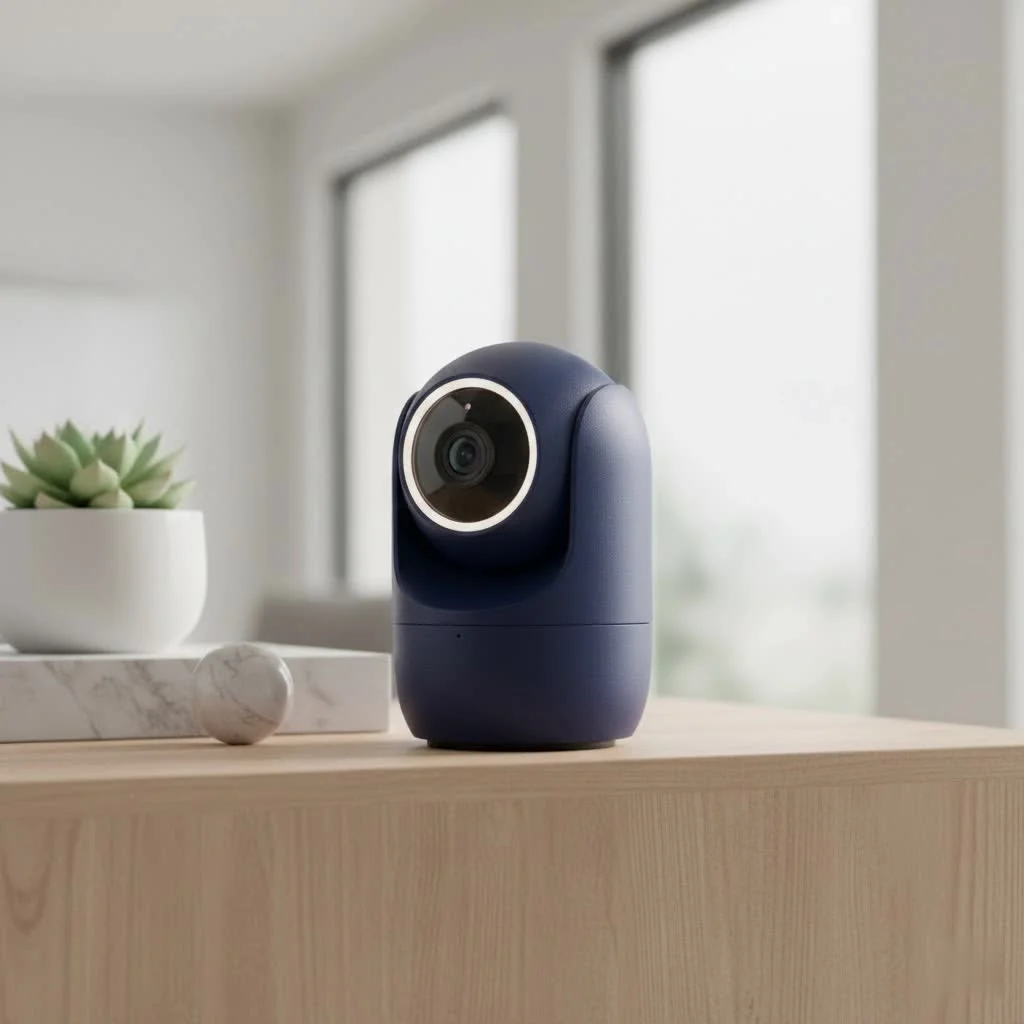
In my 15 years in the security industry, the single biggest change I’ve seen is the shift towards smarter, more accessible home protection. Gone are the days when securing your home meant complex, expensive systems. Today, peace of mind can be as simple as placing a small device on a bookshelf. The wireless indoor security camera has revolutionized how we watch over our homes, offering a powerful blend of convenience, technology, and control right in the palm of your hand. Whether you’re keeping an eye on your pets, checking in on your kids after school, or adding a crucial layer of security, choosing the right camera is the first step. This guide is designed to cut through the jargon and help you find the perfect camera for your needs.
Why a Wireless Indoor Security Camera is a Smart Choice
The beauty of a modern wireless indoor security camera lies in its simplicity and flexibility. Unlike their wired predecessors, these cameras don’t require professional installation or drilling holes in your walls. Their primary advantages make them a go-to choice for homeowners and renters alike: For see our home recommendations on this site.
- Effortless Installation: Most wireless cameras can be set up in minutes. You simply plug them in (or use battery power), connect them to your home’s Wi-Fi network through a mobile app, and you’re ready to go.
- Flexible Placement: Without the constraint of data cables, you can place your camera almost anywhere you need it, as long as it’s within range of a power outlet and your Wi-Fi signal. This allows you to easily move it from the living room to the nursery as your needs change.
- Remote Access: This is the game-changer. You can view a live feed from your camera from anywhere in the world using your smartphone. This constant connection provides incredible peace of mind, whether you’re at the office or on vacation.
- Smart Home Integration: Many wireless cameras work seamlessly with smart home ecosystems like Amazon Alexa and Google Assistant, allowing you to use voice commands to view your camera’s feed on a smart display.
Must-Have Features: What to Look for in Your Camera
Navigating the technical specifications of a security camera can feel overwhelming. Let’s break down the essential features that truly matter for everyday use and effective security.
Crystal Clear Vision: Resolution and Field of View
The primary job of a camera is to see, and how well it sees is determined by its resolution. Look for a camera with at least 1080p (Full HD) resolution. This provides a clear, sharp image that allows you to distinguish faces and details. Some newer models offer 2K or even 4K resolution for even greater clarity.
Just as important is the field of view, which is the width of the area the camera can capture. A wider field of view, typically 130 degrees or more, allows a single camera to cover a large room, reducing blind spots and the need for multiple devices.
See in the Dark: Night Vision Capabilities
|
Our Picks for the Best Security Camera in 2026
As an Amazon Associate I earn from qualifying purchases.
|
||
| Num | Product | Action |
|---|---|---|
| 1 | Tapo TP-Link 2K Pan/Tilt Indoor Security Camera for Baby Monitor, Pet Camera, Motion Detection & Tracking, 2-Way Audio, Cloud & SD Card Storage, Works w/Alexa & Google Home, Black, C211(2-Pack) |

|
| 2 | REOLINK 4K PoE Security Camera System Wired, 8pcs 8MP PoE Cameras, Smart Person/Vehicle Detection, 16CH NVR with 4TB HDD, H.265, 24/7 Recording, High Bitrate & Clear Stream, RLK16-800D8 |
|
| 3 | WYZE Cam Pan v3 Indoor/Outdoor IP65-Rated 1080p Pan/Tilt/Zoom Wi-Fi Smart Home Security Camera with Color Night Vision, 2-Way Audio, Compatible with Alexa & Google Assistant, White, 2-Pack |
|
| 4 | Tapo 2K Pan/Tilt Security Camera for Baby Monitor, Dog Camera w/Motion Detection, 2-Way Audio Siren, Night Vision, Cloud&SD Card Storage, Works w/Alexa & Google Assistant, 2-Pack (Tapo C210P2) |
|
| 5 | Security Cameras Wireless Outdoor,2K Indoor WiFi Wireless Cameras,Outside Battery Powered Camera for Home Security,AI Motion Detection,Color Night Vision,Spotlight,Siren Alarm,SD/Cloud Storage,2 Pack |
|
| 6 | TP-Link Tapo 1080P Indoor Security Camera for Baby Monitor, Dog Camera w/Motion Detection, 2-Way Audio Siren, Night Vision, Cloud & SD Card Storage, Works w/Alexa & Google Home (Tapo C100) |
|
| 7 | WYZE Cam v4 (Latest Model), 2.5K AI Security Camera, Indoor/Outdoor Cameras for Home Security, Baby Monitor & Pet Camera, Vibrant Color Night Vision, No Subscription Required, Free Expert Help |
|
| 8 | Kasa Smart Indoor Pan-Tilt Home Security Camera, 1080p HD Dog Camera w/Night Vision, Motion Detection for Baby & Pet Monitor, Cloud & SD Card Storage, Works w/ Alexa & Google Home, 2.4G WiFi (EC71) |
|
| 9 | Security Cameras Wireless Outdoor-Solar&Battery Powered 2K 2.4G Cameras for Home Security, Instant Alert, AI Human Detection, Color Night Vision, 2-Way Talk, SD Storage, Work with Alexa, Z1 4P |
|
| 10 | WYZE Bulb Cam Security Camera, 2K HD Outdoor Light Bulb Camera, Color Night Vision, Dimmable LED Bulb, Motion Detection, Siren Alarm, Works w/Alexa/Google Assistant. Free Expert Support |
|
Security concerns don’t stop when the sun goes down. High-quality night vision is a non-negotiable feature. Most indoor cameras use infrared (IR) LEDs to capture clear black-and-white video in complete darkness. Some advanced models now offer color night vision, which uses ambient light to produce full-color images in low-light conditions, providing even more detail.
More Than Just Watching: Two-Way Audio
A camera with a built-in microphone and speaker enables two-way audio. This feature transforms your camera from a passive monitoring device into an interactive tool. You can use it to soothe a restless pet while you’re at work, remind your kids to start their homework, or even speak directly to an unwelcome intruder to let them know they are being recorded.
Smart Alerts: Understanding Motion Detection
You don’t want to be bombarded with notifications every time a shadow moves. Modern cameras have evolved beyond basic motion detection. Look for models that use Artificial Intelligence (AI) to differentiate between people, pets, and other motion. This drastically reduces false alarms, ensuring you are only alerted to events that actually matter. You can customize zones to monitor specific areas, like a doorway, while ignoring others.
Keeping the Tapes: Cloud vs. Local Storage
When your camera detects motion, it records a video clip. Where that clip is stored is a key consideration. You generally have two options:
- Cloud Storage: Your videos are uploaded to the manufacturer’s secure servers. This is convenient because you can access your footage from anywhere, and it’s safe from being stolen or damaged. However, it usually requires a monthly subscription fee.
- Local Storage: The camera records footage onto a microSD card inserted into the device itself. This is a more private option with a one-time cost for the card, but if the camera is stolen, you lose the recordings.
Many cameras offer both options, giving you the flexibility to choose what works best for your budget and privacy preferences.
Powering Your Camera: Truly Wire-Free vs. Plug-In
The term “wireless” can be confusing. It typically refers to the data connection (Wi-Fi), not the power source.
- Plug-In Wireless: This is the most common type of indoor camera. It connects to your Wi-Fi wirelessly but still needs to be plugged into a standard power outlet.
- Truly Wire-Free: These cameras are battery-powered, offering the ultimate flexibility in placement. You can put them anywhere without worrying about cords. The trade-off is that you’ll need to recharge the batteries periodically, typically every few months.
A Connected Home: Smart Home Integration
For a truly seamless experience, choose a wireless indoor security camera that integrates with your existing smart home setup. Compatibility with platforms like Amazon Alexa and Google Assistant allows for hands-free control. You can simply say, “Alexa, show me the living room camera,” to instantly see the feed on your Echo Show or Fire TV.
How to Choose the Right Wireless Indoor Security Camera for You
The “best” camera depends entirely on your specific needs. Here’s a quick guide to help you decide:
- For Pet Owners: A camera with a pan-and-tilt feature is fantastic. It allows you to remotely rotate the camera lens to follow your furry friend around the room. Two-way audio is also a must-have for checking in.
- For Parents (as a Baby Monitor): Prioritize excellent night vision and high-resolution video. Look for models that can send alerts for sound, not just motion, so you know when your baby is crying.
- For General Security: A wide-angle lens to cover main entry points is crucial. Features like a built-in siren that you can trigger from your phone and reliable, AI-powered person detection will provide the most effective security.
Your Step-by-Step Installation Guide
Setting up your wireless indoor security camera is incredibly straightforward. While each model varies slightly, the process generally follows these simple steps:
- Unbox the Camera: Familiarize yourself with the camera, power adapter, and any included mounting hardware.
- Download the App: Find the manufacturer’s official app on the iOS App Store or Google Play Store and install it on your smartphone.
- Create an Account: Sign up for an account within the app. This is how you’ll access your camera’s feed remotely.
- Power On the Camera: Plug the camera into a power outlet in the room where you plan to install it.
- Connect to Wi-Fi: Follow the in-app instructions to connect the camera to your home Wi-Fi network. This usually involves scanning a QR code with the camera.
- Place Your Camera: Position the camera to get the best view of the area you want to monitor. A high corner of the room often provides the most comprehensive coverage. Avoid pointing it directly at bright windows, which can cause glare.
Pro Tips for Maintenance and Privacy
A security camera is a powerful tool, and it’s important to use it responsibly. As a long-time professional, I always emphasize a few key points to my clients.
“Your security system is only as strong as its weakest link. For a wireless camera, that link is often the Wi-Fi password. Use a strong, unique password for your network and enable two-factor authentication on your camera’s account. This is the single most important step you can take to secure your device.” – David Chen, a 20-year veteran in home security solutions.
- Keep Firmware Updated: Manufacturers regularly release updates to improve performance and patch security vulnerabilities. Always install these updates through the app.
- Respect Privacy: Place cameras in common areas like living rooms, kitchens, and hallways. Avoid placing them in private spaces like bedrooms and bathrooms to respect the privacy of family members and guests.
- Clean the Lens: A smudge or dust on the lens can obscure the view. Wipe it gently with a microfiber cloth every few months to ensure a clear picture.
Frequently Asked Questions (FAQ)
How much data does a wireless security camera use?
This varies based on video quality and how often it records. Streaming in 1080p can use about 1-2 GB of data per hour. However, since most cameras only record when motion is detected, the actual data usage for a typical month is often much lower.
Can someone hack my wireless indoor security camera?
While no internet-connected device is 100% un-hackable, you can take simple steps to make it extremely difficult for unauthorized users. Use a strong, unique password for both your Wi-Fi network and your camera account, enable two-factor authentication, and only buy cameras from reputable brands that issue regular security updates.
Do these cameras record 24/7?
Some cameras offer continuous video recording (CVR), but this usually requires a specific cloud subscription plan and uses a lot more data and storage. Most wireless cameras are designed to record only when they detect motion or sound to save energy and storage space.
Can I use an indoor camera to look outside through a window?
This is generally not recommended. The camera’s infrared LEDs for night vision will reflect off the glass, obscuring the view at night. Motion detection can also be unreliable through a window. An outdoor-specific camera is always the better choice for monitoring the exterior of your home.
Do I need a subscription for my camera to work?
No. Most cameras will provide basic functionality, such as live streaming and motion alerts, without a subscription. However, a subscription is typically required to store video clips in the cloud and unlock advanced features like intelligent alerts (person, package, vehicle detection).
The Final Frame: Your Path to Peace of Mind
Choosing a wireless indoor security camera is one of the easiest and most effective investments you can make in your home’s security and your own peace of mind. By focusing on the features that matter most to you—whether it’s crystal-clear resolution, intelligent alerts, or seamless smart home integration—you can build a system that keeps you connected to your home, no matter where you are. Take the next step today and find the perfect camera to watch over your world.
Get our weekly buyer guide
Practical specs, not advice. Unsubscribe anytime.
As someone who remembers the old, complex security systems, I can totally relate to the shift towards smarter, more accessible home protection. I recently installed a Ring Indoor Cam to add an extra layer of security to my living room, and it’s been flawless. The motion detection alerts are spot on, and I love being able to check the feed from my phone anytime. It really does offer peace of mind without all the hassle.
I was hoping to find more specific recommendations for cameras that integrate well with smart home systems like Google Home. While it covered the general benefits of wireless cameras, I found myself still needing to do more research on compatibility. I did appreciate the mention of how simple it is to place these devices on a bookshelf, which is exactly what I needed for my apartment. The convenience factor is definitely there, but I wish there was a bit more detail on advanced integrations.
I’ve been looking for a good wireless indoor camera for ages, and this guide really helped me narrow down my choices. I ended up getting the Arlo Essential Indoor Camera, and it’s been fantastic for keeping an eye on my dog when I’m at work. The setup was super easy, just like it mentioned, and the video quality is surprisingly clear even in low light. Definitely recommend checking out the Arlo if you’re a pet owner!
This was a really helpful breakdown of the different features to look for. I appreciated the emphasis on flexibility and ease of use. I went with a Wyze Cam V3 based on some of the points about affordability and good basic features, and it’s been great for checking in on my kids after school. The two-way audio is a lifesaver for reminding them about homework. My only minor gripe is the subscription for extended cloud storage, but for the price, it’s still a solid deal.