Hiring professional security camera installers ensures optimal system performance, maximizing coverage and eliminating blind spots. With over 15 years in the security industry, I’ve observed that expert installation is crucial for a reliable surveillance system, preventing common DIY errors like poor camera placement and incorrect network configuration. Professionals bring specialized tools and technical knowledge, completing installations efficiently and securely.
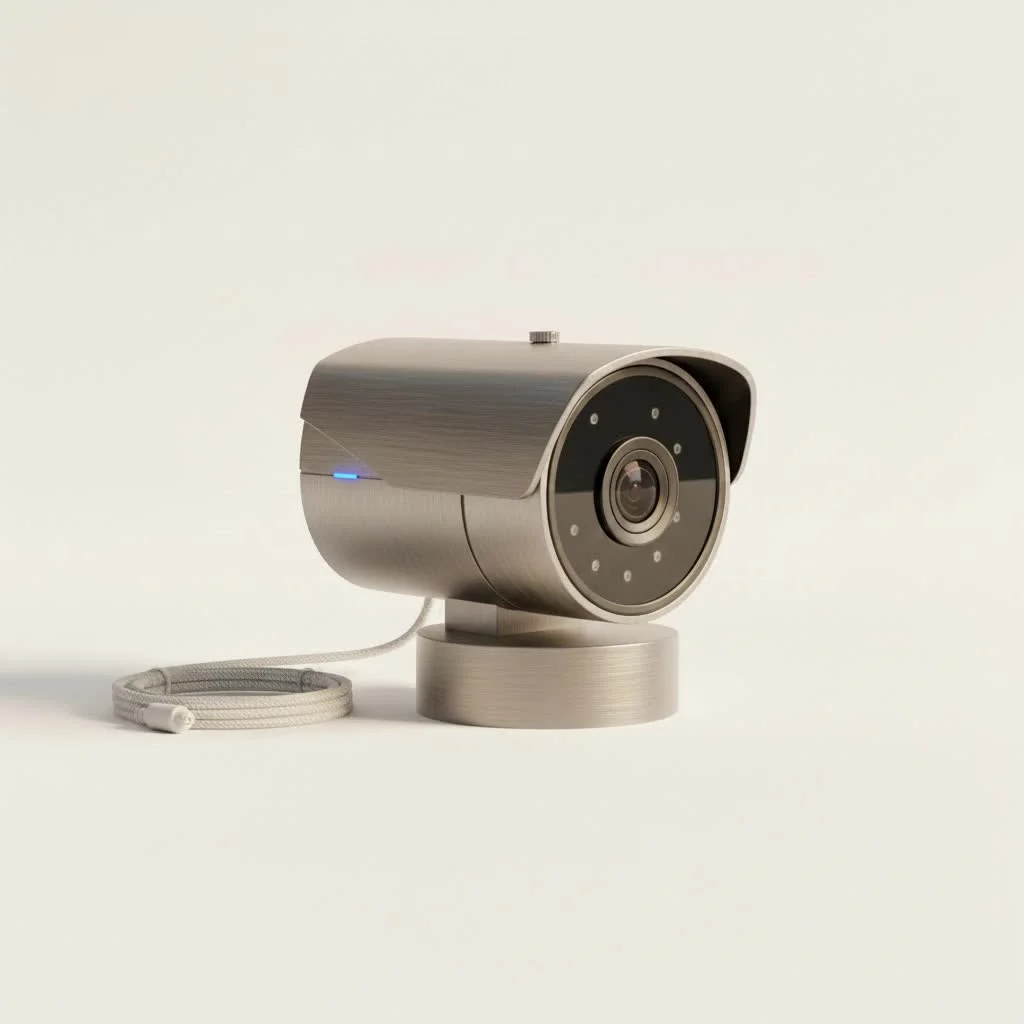
Why Hire Professional Security Camera Installers?
While the allure of a DIY project is strong for many, security camera installation is a task where expertise pays dividends. It’s more than just mounting a camera and plugging it in; it’s about creating a comprehensive surveillance shield for your property. For browse all home articles on this site.
Expertise in System Design and Camera Placement
The single biggest mistake in DIY installations is poor camera placement. Professionals understand the nuances of camera field of view, lens focal length, and potential blind spots.
- Optimal Coverage: Installers know how to strategically place cameras to maximize coverage and eliminate blind spots, ensuring every critical entry point and vulnerable area is monitored.
- Avoiding Obstructions: They can identify potential issues like sun glare, reflective surfaces, or growing foliage that could obstruct the view and render a camera useless.
- Discreet Installation: A pro can run wires through walls and ceilings for a clean, professional finish that is both aesthetically pleasing and tamper-resistant.
Correct Tools and Technical Knowledge
Professional security camera installers arrive with all the necessary tools, from specialized drills and fish tapes for running cables to network testing equipment. They are also experts in configuring the system’s software.
“A perfectly placed high-resolution camera is worthless if it’s not configured correctly on the network,” notes David Chen, a senior field technician with over a decade of experience. “We ensure the system is not only recording properly but also that you can access it remotely without security vulnerabilities. That peace of mind is what you’re really paying for.”
Time and Hassle Savings
What might take you an entire weekend of frustrating trial and error, a professional team can often complete in a matter of hours. They handle everything from the physical installation to the network setup and user training, allowing you to enjoy your new system without the headache.
What to Look For in a Reputable Installer
Not all security camera installers are created equal. Finding a trustworthy and skilled technician requires a bit of due diligence.
Licensing and Insurance
This is non-negotiable. A reputable installer should be licensed to operate in your state or locality. More importantly, they must carry liability insurance. This protects you in the unlikely event that they cause damage to your property during the installation process. Always ask for proof of both before signing any contract.
Experience and Specialization
|
Our Picks for the Best Security Camera in 2026
As an Amazon Associate I earn from qualifying purchases.
|
||
| Num | Product | Action |
|---|---|---|
| 1 | WYZE Cam Pan v3 Indoor/Outdoor IP65-Rated 1080p Pan/Tilt/Zoom Wi-Fi Smart Home Security Camera with Color Night Vision, 2-Way Audio, Compatible with Alexa & Google Assistant, White, 2-Pack |

|
| 2 | Tapo 2K Pan/Tilt Security Camera for Baby Monitor, Dog Camera w/Motion Detection, 2-Way Audio Siren, Night Vision, Cloud&SD Card Storage, Works w/Alexa & Google Assistant, 2-Pack (Tapo C210P2) |
|
| 3 | WYZE Cam v4 (Latest Model), 2.5K AI Security Camera, Indoor/Outdoor Cameras for Home Security, Baby Monitor & Pet Camera, Vibrant Color Night Vision, No Subscription Required, Free Expert Help |
|
| 4 | WYZE Bulb Cam Security Camera, 2K HD Outdoor Light Bulb Camera, Color Night Vision, Dimmable LED Bulb, Motion Detection, Siren Alarm, Works w/Alexa/Google Assistant. Free Expert Support |
|
| 5 | Security Cameras Wireless Outdoor,2K Indoor WiFi Wireless Cameras,Outside Battery Powered Camera for Home Security,AI Motion Detection,Color Night Vision,Spotlight,Siren Alarm,SD/Cloud Storage,2 Pack |
|
| 6 | Kasa Smart Indoor Pan-Tilt Home Security Camera, 1080p HD Dog Camera w/Night Vision, Motion Detection for Baby & Pet Monitor, Cloud & SD Card Storage, Works w/ Alexa & Google Home, 2.4G WiFi (EC71) |
|
| 7 | Security Cameras Wireless Outdoor-Solar&Battery Powered 2K 2.4G Cameras for Home Security, Instant Alert, AI Human Detection, Color Night Vision, 2-Way Talk, SD Storage, Work with Alexa, Z1 4P |
|
| 8 | Tapo TP-Link 2K Pan/Tilt Indoor Security Camera for Baby Monitor, Pet Camera, Motion Detection & Tracking, 2-Way Audio, Cloud & SD Card Storage, Works w/Alexa & Google Home, Black, C211(2-Pack) |
|
| 9 | TP-Link Tapo 1080P Indoor Security Camera for Baby Monitor, Dog Camera w/Motion Detection, 2-Way Audio Siren, Night Vision, Cloud & SD Card Storage, Works w/Alexa & Google Home (Tapo C100) |
|
| 10 | REOLINK 4K PoE Security Camera System Wired, 8pcs 8MP PoE Cameras, Smart Person/Vehicle Detection, 16CH NVR with 4TB HDD, H.265, 24/7 Recording, High Bitrate & Clear Stream, RLK16-800D8 |
|
Look for a company or individual with proven experience in security camera systems, not just general low-voltage wiring.
- Portfolio: Ask to see a portfolio of their previous work. Do they have experience with properties similar to yours?
- Product Knowledge: They should be knowledgeable about various brands and types of systems (IP, Analog, Wireless) and be able to recommend the best solution for your specific needs and budget.
Positive Reviews and References
Check online reviews on platforms like Google, Yelp, and Angi. While a single bad review isn’t a dealbreaker, a consistent pattern of negative feedback is a major red flag. Don’t hesitate to ask for references from past clients you can speak with directly.
The Installation Process: What to Expect
A professional installation process is typically smooth and structured.
- Initial Consultation: The installer will visit your property to conduct a site survey. This is where you discuss your security concerns, desired camera locations, and budget.
- System Design and Quote: Based on the consultation, they will design a custom surveillance plan and provide you with a detailed quote that breaks down the cost of hardware and labor.
- Installation Day: The installation team will arrive to run cables, mount cameras, and set up the recording device (NVR or DVR). They should work cleanly and efficiently, minimizing disruption to your home or business.
- System Configuration and Training: Once the hardware is in place, the technician will configure the system, connect it to your network, and set up remote viewing on your devices. They will then walk you through how to use the system, including how to view live feeds, search for recordings, and export footage.
DIY vs. Hiring a Pro: Making the Right Choice
Deciding between a DIY approach and hiring professional security camera installers depends on your technical comfort level, the complexity of the system, and the size of your property.
| Feature | DIY Installation | Professional Installation |
|---|---|---|
| Cost | Lower upfront cost (hardware only) | Higher upfront cost (hardware + labor) |
| Expertise | Relies on your own knowledge | Access to professional expertise and experience |
| Placement | Risk of blind spots and poor angles | Strategic placement for maximum coverage |
| Time | Can be very time-consuming | Fast and efficient |
| Wiring | Often involves visible, less secure wiring | Clean, hidden, and tamper-resistant wiring |
| Warranty | Hardware warranty only | Warranty on both hardware and workmanship |
| Support | Community forums and manufacturer support | Direct support from your installer |
For a simple one or two-camera wireless setup, a DIY approach may be feasible. However, for a comprehensive wired system that requires running cables and advanced network configuration, the value provided by a professional is undeniable.
Frequently Asked Questions (FAQ)
How much does it cost to have security cameras professionally installed?
The cost varies widely based on the number of cameras, the type of system (wired vs. wireless), and the complexity of the installation. On average, you can expect to pay anywhere from $100 to $300 per camera for labor, in addition to the cost of the equipment.
How long does a typical security camera installation take?
A standard installation of 4 to 8 cameras in a residential home can typically be completed in one day. Larger or more complex commercial projects may take several days.
Do I need a wired or wireless security camera system?
Wired systems are generally more reliable and offer higher video quality, as they are not susceptible to Wi-Fi interference. Wireless systems are easier to install but rely on a strong Wi-Fi signal and may require battery changes or recharging. A professional installer can help you determine the best fit for your property.
Can installers integrate new cameras with my existing system?
In many cases, yes. However, compatibility can be an issue, especially between different brands. An experienced installer can assess your current system and determine if integration is possible or if a system upgrade is a better long-term solution.
What kind of maintenance do security camera systems require?
Regular maintenance includes cleaning camera lenses, checking for physical damage, ensuring cables are secure, and verifying that the system is recording properly. Many installation companies offer ongoing maintenance plans for added peace of mind.
Your Security is Worth the Investment
Choosing the right security camera installers is just as important as choosing the right cameras. By taking the time to find a licensed, experienced, and reputable professional, you ensure your system is set up for optimal performance from day one. This investment not only protects your property but also provides invaluable peace of mind, knowing your surveillance shield is correctly forged by an expert. Don’t leave your safety to chance; hire a professional and get it done right.
Frequently Asked Questions
How much does it cost to have security cameras professionally installed?
The cost for professional security camera installation typically ranges from $100 to $300 per camera for labor, in addition to equipment costs. This price varies based on the number of cameras, system type (wired or wireless), and installation complexity.
How long does a typical security camera installation take?
A standard residential installation involving 4 to 8 cameras can usually be completed within one day. Larger or more complex commercial projects may require several days to ensure proper setup and configuration.
Do I need a wired or wireless security camera system for my property?
Wired systems generally offer greater reliability and higher video quality due to their immunity to Wi-Fi interference. Wireless systems are simpler to install but depend on a strong Wi-Fi signal and may need battery maintenance. A professional installer can assess your property to recommend the best fit.
Can professional installers integrate new cameras with an existing security system?
Yes, in many cases, installers can integrate new cameras with an existing system, though compatibility between different brands can be a factor. An experienced technician will evaluate your current setup to determine if integration is feasible or if a system upgrade is a more effective long-term solution.
What kind of maintenance is required for security camera systems?
Regular maintenance for security camera systems includes cleaning camera lenses, checking for physical damage, ensuring secure cable connections, and verifying proper recording functionality. Many installation companies offer ongoing maintenance plans to help ensure system longevity and performance.
How to Hire the Right Security Camera Installers
This guide outlines the steps to find, vet, and hire professional security camera installers for your home or business, ensuring a reliable and effective surveillance system.
Begin by scheduling an initial consultation with potential installers. During this visit, they should perform a site survey, discuss your specific security concerns, desired camera locations, and budget to understand your needs.
Based on the consultation, the installer will provide a custom surveillance plan and a detailed quote. This quote should clearly break down the costs for both hardware and labor, allowing you to understand the investment.
Before proceeding, ensure the installer is licensed and insured in your area, and ask for proof. Check their portfolio for similar projects and request references from past clients to confirm their reputation and quality of work.
On installation day, the team will run cables, mount cameras, and set up recording devices like NVRs or DVRs. They should work efficiently and cleanly. After hardware installation, the technician will configure the system, connect it to your network, and set up remote viewing.
Once the system is fully configured, the installer should provide comprehensive training. This includes demonstrating how to view live feeds, search for recordings, export footage, and use all features of your new security camera system effectively.
Get our weekly buyer guide
Practical specs, not advice. Unsubscribe anytime.
My old system had so many blind spots from my own amateur installation. I finally bit the bullet and hired professionals, and it’s night and day. They really understood system design and camera placement, which was my biggest concern. Now my property is truly covered, and I don’t have to worry about missing anything important.
I was really on the fence about hiring someone for my new home security system, but after reading about the common DIY errors like poor camera placement, I decided to go with a pro. It made such a difference! They knew exactly where to put everything to maximize coverage and I feel so much safer now. Definitely worth the investment for peace of mind.
I’ve always been a DIY guy, but for my business security cameras, I knew I needed something more robust. The point about preventing incorrect network configuration really hit home. The installers were efficient and everything works perfectly. I’m glad I didn’t try to tackle this myself and risk a less secure setup.
I hired an installer based on the advice here, and while the system works well, I did have a small issue with scheduling. They were a bit late for the initial consultation, which was a minor inconvenience. However, once they got started, their technical knowledge was evident, and they used specialized tools that I definitely don’t have. The cameras are installed securely, so overall it’s a good outcome.