A tiny security camera is a compact, often concealable video recording device designed for discreet surveillance, offering peace of mind without the bulky presence of traditional systems. These miniature cameras pack impressive technology into a small frame, often featuring 1080p HD video, night vision, and motion detection, making them ideal for unobtrusive monitoring in homes or businesses. As the lead content creator at Ydmrw.com, with over 15 years in the security industry, I’m here to guide you through everything you need to know about these versatile devices.
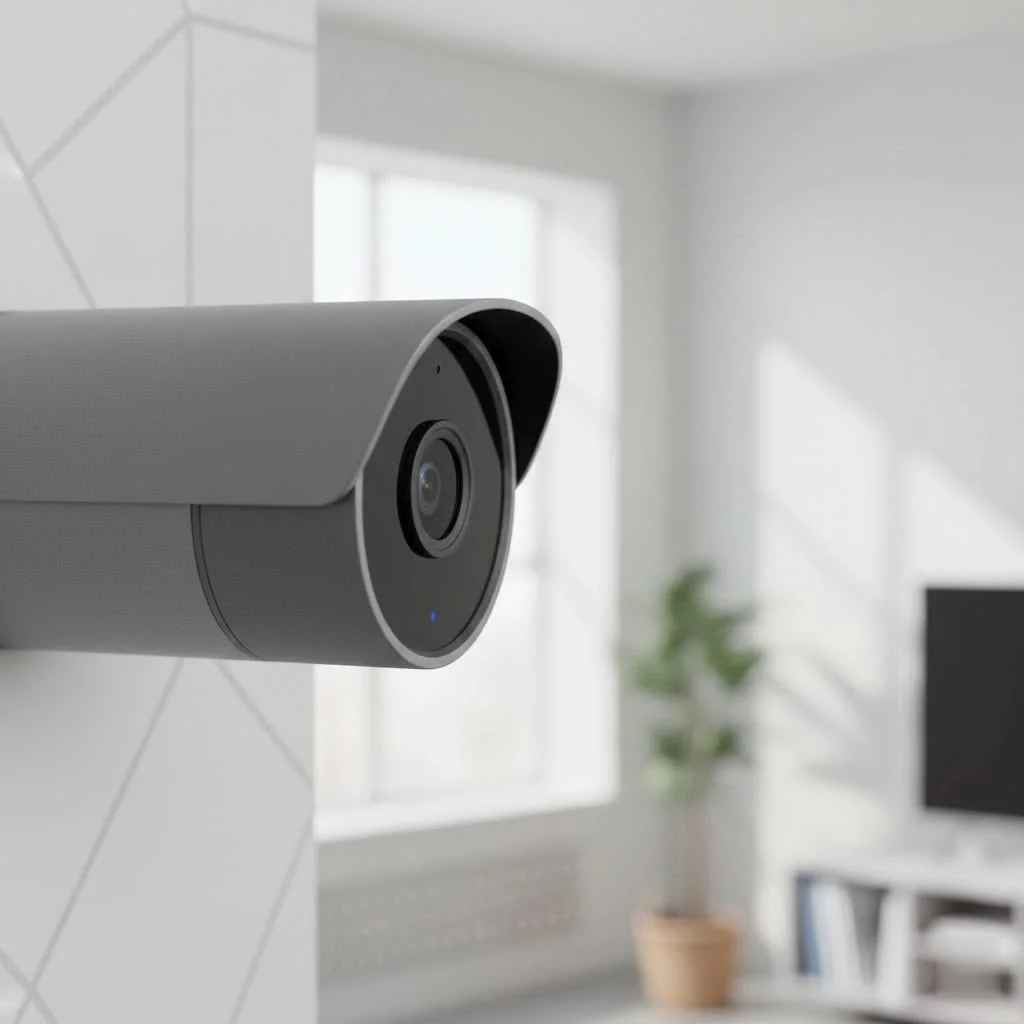
This comprehensive guide will break down the types, features, installation, and legal considerations surrounding the tiny security camera. Whether you’re a concerned homeowner, a small business owner, or just curious about modern security solutions, you’ll find the practical, expert advice you need right here. For shop curated home on this site.
What is a Tiny Security Camera, Exactly?
A tiny security camera is a small, often concealable video recording device designed for discreet surveillance. Unlike their larger counterparts, these cameras are built to blend into their environment. They can be disguised as everyday objects like smoke detectors, USB chargers, photo frames, or can be small enough to be hidden on a bookshelf or within a plant. The primary goal is to monitor a space without drawing attention.
But don’t let their size fool you. Modern tiny cameras often boast features comparable to full-sized systems, including HD video, night vision, and motion detection.
Why Should You Consider a Tiny Security Camera?
The compact size of these cameras opens up a world of possibilities that traditional systems can’t match. Their main advantages lie in their subtlety and flexibility.
- Unobtrusive Monitoring: Their biggest selling point is discretion. They allow you to monitor your home, children, pets, or office without creating an intimidating environment.
- Versatility in Placement: Because they are small and often wireless, you can place them almost anywhere. This flexibility is perfect for covering specific, hard-to-reach areas.
- Evidence Collection: In unfortunate situations like theft or vandalism, a hidden camera is more likely to capture the perpetrator’s identity because they are unaware of its presence.
- Cost-Effective: Often, a single, well-placed tiny security camera can be a more affordable solution than a multi-camera traditional setup, especially for smaller spaces.
“As a security professional, I always tell my clients that the best camera is the one no one knows is there. Discretion is a powerful deterrent and an invaluable tool for gathering candid information,” says our lead security analyst at Ydmrw, Johnathan Carter.
Key Features to Look for in a Tiny Security Camera
Choosing the right device can seem daunting with so many options available. Focus on these core features to ensure you get a camera that meets your specific security needs.
1. Video Resolution
|
Our Picks for the Best Security Camera in 2026
As an Amazon Associate I earn from qualifying purchases.
|
||
| Num | Product | Action |
|---|---|---|
| 1 | WYZE Bulb Cam Security Camera, 2K HD Outdoor Light Bulb Camera, Color Night Vision, Dimmable LED Bulb, Motion Detection, Siren Alarm, Works w/Alexa/Google Assistant. Free Expert Support |

|
| 2 | Security Cameras Wireless Outdoor-Solar&Battery Powered 2K 2.4G Cameras for Home Security, Instant Alert, AI Human Detection, Color Night Vision, 2-Way Talk, SD Storage, Work with Alexa, Z1 4P |
|
| 3 | WYZE Cam v4 (Latest Model), 2.5K AI Security Camera, Indoor/Outdoor Cameras for Home Security, Baby Monitor & Pet Camera, Vibrant Color Night Vision, No Subscription Required, Free Expert Help |
|
| 4 | Tapo TP-Link 2K Pan/Tilt Indoor Security Camera for Baby Monitor, Pet Camera, Motion Detection & Tracking, 2-Way Audio, Cloud & SD Card Storage, Works w/Alexa & Google Home, Black, C211(2-Pack) |
|
| 5 | Kasa Smart Indoor Pan-Tilt Home Security Camera, 1080p HD Dog Camera w/Night Vision, Motion Detection for Baby & Pet Monitor, Cloud & SD Card Storage, Works w/ Alexa & Google Home, 2.4G WiFi (EC71) |
|
| 6 | Security Cameras Wireless Outdoor,2K Indoor WiFi Wireless Cameras,Outside Battery Powered Camera for Home Security,AI Motion Detection,Color Night Vision,Spotlight,Siren Alarm,SD/Cloud Storage,2 Pack |
|
| 7 | REOLINK 4K PoE Security Camera System Wired, 8pcs 8MP PoE Cameras, Smart Person/Vehicle Detection, 16CH NVR with 4TB HDD, H.265, 24/7 Recording, High Bitrate & Clear Stream, RLK16-800D8 |
|
| 8 | Tapo 2K Pan/Tilt Security Camera for Baby Monitor, Dog Camera w/Motion Detection, 2-Way Audio Siren, Night Vision, Cloud&SD Card Storage, Works w/Alexa & Google Assistant, 2-Pack (Tapo C210P2) |
|
| 9 | WYZE Cam Pan v3 Indoor/Outdoor IP65-Rated 1080p Pan/Tilt/Zoom Wi-Fi Smart Home Security Camera with Color Night Vision, 2-Way Audio, Compatible with Alexa & Google Assistant, White, 2-Pack |
|
| 10 | TP-Link Tapo 1080P Indoor Security Camera for Baby Monitor, Dog Camera w/Motion Detection, 2-Way Audio Siren, Night Vision, Cloud & SD Card Storage, Works w/Alexa & Google Home (Tapo C100) |
|
Resolution determines the clarity of your footage. While 720p was once standard, 1080p (Full HD) is the minimum you should aim for today. It provides clear, detailed images where faces and other important details are easily discernible. Some higher-end models even offer 2K or 4K resolution for crystal-clear video.
2. Field of View
The field of view (FOV) is the angle the camera can see, measured in degrees. A wider FOV (e.g., 120-160 degrees) allows you to cover more of a room with a single camera, reducing blind spots. Consider the size of the area you want to monitor when evaluating this feature.
3. Night Vision
Security threats don’t stop when the sun goes down. Night vision is an essential feature. Most tiny cameras use infrared (IR) LEDs to see in complete darkness. Look for “no-glow” or low-glow IR, which emits light that is invisible to the human eye, ensuring the camera remains hidden even while recording at night.
4. Motion Detection
To save storage space and battery life, and to avoid hours of useless footage, motion detection is crucial. The camera will only start recording when it senses movement in its field of view. Advanced models offer customizable motion zones and send instant alerts to your smartphone, so you’re always in the know.
5. Power Source
How the camera is powered determines its portability and placement.
- Battery-Powered: These offer the most flexibility, as they are truly wireless. However, you’ll need to be mindful of battery life and recharge them periodically.
- Wired/Plug-in: These cameras plug into a wall outlet, providing continuous power. Many are disguised as common adapters or chargers, making them both powered and covert.
6. Storage Options
Where will your recordings be saved?
- Local Storage: Most tiny cameras have a slot for a microSD card. This is a secure, subscription-free way to store footage. The downside is that if the camera is stolen, you lose the recordings.
- Cloud Storage: Many manufacturers offer a cloud subscription service. Your videos are uploaded to a secure server, allowing you to access them from anywhere. This provides a safe backup but typically involves a monthly fee.
How to Install and Set Up Your Tiny Security Camera
Setting up a tiny security camera is usually a straightforward process designed for the everyday user. Here’s a typical step-by-step guide:
- Charge the Device: If your camera is battery-powered, make sure to fully charge it before the first use.
- Insert Storage: If using a microSD card, insert it into the designated slot.
- Download the App: Most modern cameras connect to a companion app on your smartphone. Download the correct app from the Google Play Store or Apple App Store.
- Connect to Wi-Fi: Follow the app’s instructions to connect the camera to your home or office Wi-Fi network. This usually involves scanning a QR code or selecting the network and entering the password.
- Position the Camera: This is the most critical step. Choose a location that provides a clear, unobstructed view of the area you want to monitor. Think about common entry points or valuable items. Hide it in plain sight on a bookshelf, behind a plant, or within an object that blends into the room.
- Test the Live Feed: Use the app to view the live stream from the camera. Adjust the angle and position until you are satisfied with the coverage.
- Configure Settings: In the app, set up your preferences for motion detection sensitivity, notifications, recording schedules, and video quality.
Are Tiny Security Cameras Legal? A Word of Caution
This is one of the most important considerations. The legality of using a tiny security camera, especially a hidden one, varies significantly by state and country.
In most places, it is legal to record video in your own home or business without consent. However, the law is much stricter when it comes to audio recording. Many jurisdictions are “two-party consent” states, meaning you must have permission from everyone involved to record a conversation.
Crucial Warning: It is almost universally illegal to place cameras in areas where there is a reasonable expectation of privacy, such as bathrooms, changing rooms, or bedrooms (that are not your own). Before installing any camera, especially a hidden one, you must research and understand the specific laws in your location regarding video and audio surveillance. Ignorance of the law is not a valid defense.
Frequently Asked Questions (FAQ)
How long does the battery last on a wireless tiny security camera?
Battery life varies widely depending on the model, usage, and settings. It can range from a few hours of continuous recording to several months on standby with motion-activated recording. Always check the manufacturer’s specifications.
Can a tiny security camera record audio?
Yes, many models come with a built-in microphone to capture audio along with video. However, be extremely cautious with this feature due to the strict laws surrounding audio recording consent.
Do these cameras need Wi-Fi to work?
Some do, and some don’t. Models that offer remote viewing and smartphone alerts require a Wi-Fi connection. However, there are also self-contained units that simply record footage to a local microSD card, which you can retrieve and view later without needing an internet connection.
How far can a tiny security camera see?
The effective range depends on the lens and resolution. Most can clearly identify a person’s face from 20-30 feet away in good lighting. The night vision range is also a key specification to check, typically falling between 15-25 feet.
Can someone detect my hidden camera?
While difficult, it is possible. There are specialized RF (radio frequency) detectors and lens finder tools that can locate hidden cameras. However, for the average person, a well-placed tiny camera is very unlikely to be discovered.
Securing Your Space, Subtly and Smartly
A tiny security camera is a powerful and flexible tool for enhancing your personal and professional security. By prioritizing key features like 1080p resolution, motion detection, and reliable night vision, you can build a discreet surveillance system that offers significant peace of mind.
to balance functionality with responsibility. Always place your camera thoughtfully and, most importantly, be fully aware of the legal landscape in your area. When used correctly, these miniature guardians can provide the clear, crucial insights you need to keep your world safe and secure.
Frequently Asked Questions
How long does the battery last on a wireless tiny security camera?
Battery life for a wireless tiny security camera varies significantly, ranging from a few hours of continuous recording to several months on standby with motion-activated recording. Always consult the manufacturer's specifications for the exact battery life of a particular model.
Can a tiny security camera record audio along with video footage?
Yes, many tiny security camera models are equipped with a built-in microphone to capture audio in addition to video. However, users must exercise extreme caution with this feature due to strict laws surrounding audio recording consent, which often require two-party consent.
Do these compact security cameras require a Wi-Fi connection to function?
Some tiny security cameras require a Wi-Fi connection for features like remote viewing and smartphone alerts, while others do not. Self-contained units can record footage directly to a local microSD card, allowing for later retrieval and viewing without an internet connection.
What is the effective viewing range of a tiny security camera?
The effective viewing range of a tiny security camera depends on its lens and resolution. Most models can clearly identify a person's face from 20-30 feet away in good lighting conditions. The night vision range typically falls between 15-25 feet, which is a key specification to verify.
Is it possible for someone to detect a hidden tiny security camera?
While challenging, it is possible to detect a hidden tiny security camera using specialized tools like RF (radio frequency) detectors and lens finders. However, for the average person without such equipment, a well-placed tiny camera is very unlikely to be discovered.
Install and Set Up Your Tiny Security Camera
Setting up a tiny security camera is a straightforward process designed for everyday users to enhance their home or business security discreetly.
If your camera is battery-powered, fully charge it before first use. If using a microSD card for local storage, insert it into the designated slot on the device.
Download the companion app from your smartphone's app store. Follow the app's instructions to connect the camera to your home or office Wi-Fi network, typically by scanning a QR code or entering network credentials.
Choose a discreet location that provides a clear, unobstructed view of the area you want to monitor, such as common entry points. Use the app to view the live stream and adjust the camera's angle until you are satisfied with the coverage.
Within the companion app, customize your preferences for motion detection sensitivity, notification alerts, recording schedules, and video quality to optimize the camera's performance for your specific security needs.
Get our weekly buyer guide
Practical specs, not advice. Unsubscribe anytime.
I appreciate the focus on concealable video recording devices. I needed something for my home office that wouldn’t be obvious, and the suggestions for discreet surveillance were spot on. Installation was pretty straightforward, and it’s great to have that extra layer of security without a bulky camera.
I was really looking for something that wouldn’t stick out in my living room, and the tiny security camera options discussed here were perfect. I ended up getting one with 1080p HD video and the clarity is amazing for such a small device. It gives me peace of mind when I’m away from home, knowing I can check in discreetly.
This really helped me narrow down my choices for a miniature camera. I was specifically looking for something with impressive technology in a small frame, and the details on features like night vision and motion detection were super useful. It’s exactly what I needed for unobtrusive monitoring.
The guide was helpful in understanding the different types of tiny cameras. I got one for my small business, and while the motion detection works well, the night vision isn’t quite as clear as I’d hoped. It’s still functional for basic monitoring, but I might need to add an extra light source for better nighttime coverage.