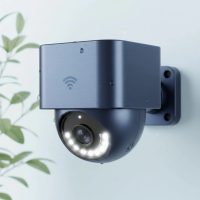
In today’s fast-paced world, protecting what matters most – your home, your business, and your peace of mind – has never been more crucial. As a leading expert in security camera systems with over 15 years of hands-on experience, I’ve seen the industry evolve dramatically. Among the many brands available, Amcrest security camera systems have consistently emerged as a popular choice, offering a compelling blend of affordability, advanced features, and a surprisingly diverse product range.
At Ydmrw.com, we believe that understanding your security tools is the first step toward effective protection. This comprehensive guide will empower you to navigate the world of Amcrest cameras, helping you confidently choose, install, configure, and maintain a surveillance system that fits your unique needs, whether you’re securing a cozy home or a bustling enterprise.
Understanding Amcrest: Why These Cameras Stand Out
Amcrest has carved out a significant niche in the security market by delivering robust surveillance solutions that often defy their accessible price point. Their commitment to offering a broad spectrum of products, from simple indoor monitors to sophisticated outdoor setups, means there’s usually an Amcrest solution for almost any scenario.
A Legacy of Vigilance
With a strong foundation in visual surveillance technology, Amcrest has consistently pushed the boundaries of what’s possible in affordable security. They don’t just focus on cameras; their broader product line ensures a comprehensive approach to securing your environment.
Key Benefits
When considering an Amcrest security camera, several compelling advantages make them a standout choice:
- Affordability without Compromise: Amcrest cameras are generally more budget-friendly compared to many high-end brands, making robust security accessible to more users.
- Diverse Product Range: From compact indoor Wi-Fi models to powerful outdoor PoE systems, Amcrest offers a wide array of camera types and features.
- High-Resolution Imaging: Many Amcrest cameras boast impressive resolutions, ranging from 1080p Full HD up to stunning 4K (8MP) Ultra HD, ensuring crisp, clear video footage.
- Flexible Storage Solutions: You’re not locked into one storage option. Amcrest provides choices like local microSD card storage, Network Video Recorders (NVRs), Digital Video Recorders (DVRs), and cloud-based solutions.
Exploring the Amcrest Security Camera Ecosystem
The breadth of Amcrest’s product line can be both a blessing and a challenge. Understanding the different types and their core features is key to making an informed decision.
Types of Amcrest Cameras
Amcrest offers a variety of camera designs, each suited for different applications:
- IP Cameras (PoE & Wireless): These are digital cameras that send video over an IP network.
- Bullet Cameras: Cylindrical in shape, often used outdoors, and easily recognizable as a camera. Many Amcrest bullet cameras are weatherproof with an IP67 rating.
- Dome Cameras: Housed in a dome, making them less obtrusive and more resistant to tampering. The Amcrest UltraHD Dome, for instance, is a popular outdoor 4K PoE IP camera.
- Turret Cameras: A hybrid between bullet and dome, offering adjustability similar to a bullet but with a smaller, more discreet profile.
- Pan-Tilt (PT) and Pan-Tilt-Zoom (PTZ) Cameras: These cameras offer motorized movement, allowing you to remotely adjust the viewing angle (pan and tilt) and often zoom in or out. An Amcrest 1080p Wi-Fi Pan-Tilt camera is a great example for indoor monitoring.
- Dual-Lens Panoramic Cameras: Some advanced Amcrest models, like the 8MP Dual-Lens 180° Panoramic View POE Security Camera (IP8M-DLB2998EW-AI), combine two video streams to provide an ultra-wide 180-degree field of view, eliminating blind spots.
- Analog Cameras (DVR Systems): While IP cameras are more prevalent, Amcrest also offers analog options that connect to a DVR (Digital Video Recorder) system.
- AI-Powered Cameras: Newer Amcrest models integrate Artificial Intelligence for more intelligent detection. These can differentiate between humans and vehicles, significantly reducing false alarms from swaying trees or shadows.
Essential Features You’ll Love
|
Our Picks for the Best Security Camera in 2026
As an Amazon Associate I earn from qualifying purchases.
|
||
| Num | Product | Action |
|---|---|---|
| 1 | Security Cameras Wireless Outdoor,2K Indoor WiFi Wireless Cameras,Outside Battery Powered Camera for Home Security,AI Motion Detection,Color Night Vision,Spotlight,Siren Alarm,SD/Cloud Storage,2 Pack |

|
| 2 | WYZE Cam v4 (Latest Model), 2.5K AI Security Camera, Indoor/Outdoor Cameras for Home Security, Baby Monitor & Pet Camera, Vibrant Color Night Vision, No Subscription Required, Free Expert Help |
|
| 3 | WYZE Bulb Cam Security Camera, 2K HD Outdoor Light Bulb Camera, Color Night Vision, Dimmable LED Bulb, Motion Detection, Siren Alarm, Works w/Alexa/Google Assistant. Free Expert Support |
|
| 4 | Tapo 2K Pan/Tilt Security Camera for Baby Monitor, Dog Camera w/Motion Detection, 2-Way Audio Siren, Night Vision, Cloud&SD Card Storage, Works w/Alexa & Google Assistant, 2-Pack (Tapo C210P2) |
|
| 5 | TP-Link Tapo 1080P Indoor Security Camera for Baby Monitor, Dog Camera w/Motion Detection, 2-Way Audio Siren, Night Vision, Cloud & SD Card Storage, Works w/Alexa & Google Home (Tapo C100) |
|
| 6 | Kasa Smart Indoor Pan-Tilt Home Security Camera, 1080p HD Dog Camera w/Night Vision, Motion Detection for Baby & Pet Monitor, Cloud & SD Card Storage, Works w/ Alexa & Google Home, 2.4G WiFi (EC71) |
|
| 7 | Security Cameras Wireless Outdoor-Solar&Battery Powered 2K 2.4G Cameras for Home Security, Instant Alert, AI Human Detection, Color Night Vision, 2-Way Talk, SD Storage, Work with Alexa, Z1 4P |
|
| 8 | WYZE Cam Pan v3 Indoor/Outdoor IP65-Rated 1080p Pan/Tilt/Zoom Wi-Fi Smart Home Security Camera with Color Night Vision, 2-Way Audio, Compatible with Alexa & Google Assistant, White, 2-Pack |
|
| 9 | Tapo TP-Link 2K Pan/Tilt Indoor Security Camera for Baby Monitor, Pet Camera, Motion Detection & Tracking, 2-Way Audio, Cloud & SD Card Storage, Works w/Alexa & Google Home, Black, C211(2-Pack) |
|
| 10 | REOLINK 4K PoE Security Camera System Wired, 8pcs 8MP PoE Cameras, Smart Person/Vehicle Detection, 16CH NVR with 4TB HDD, H.265, 24/7 Recording, High Bitrate & Clear Stream, RLK16-800D8 |
|
Regardless of the type, many Amcrest security camera models come packed with features designed to enhance your surveillance capabilities:
- Crystal Clear Vision: Resolution: Amcrest cameras are available in various resolutions. Entry-level models typically offer 1080p (2-megapixel) resolution, while many advanced models boast 2K (4-megapixel) and 4K (8-megapixel) resolutions. Higher resolution means more detail in your footage, which is crucial for identifying faces or license plates.
- Seeing in the Dark: Night Vision: Most Amcrest cameras are equipped with infrared (IR) LEDs for black-and-white night vision, providing clear visibility in complete darkness. Some advanced models also offer “Starlight” technology or built-in spotlights for full-color night vision, even in low-light conditions.
- Smart Detection at its Best: Motion Detection & AI Capabilities: Beyond basic motion detection, many Amcrest cameras, particularly their AI series, offer advanced features like person and vehicle detection, intrusion detection, and tripwire alerts. This intelligent filtering helps ensure you only receive notifications for relevant events.
- Wider Perspectives: Field of View: The field of view (FoV) determines how wide an area your camera can see. Amcrest cameras offer various FoV angles, from standard 90-degree lenses to ultra-wide 125-degree and panoramic 180-degree options. Consider your monitoring area when selecting a camera; for example, a 180-degree panoramic camera is excellent for covering an entire front yard or driveway with a single device.
- Seamless Communication: Two-Way Audio: Some Amcrest cameras include a built-in microphone and speaker, enabling two-way communication. This feature is invaluable for speaking to delivery personnel, deterring intruders, or checking in on pets.
- Built to Withstand: Weatherproof Ratings: For outdoor installations, an Amcrest security camera with an IP67 weatherproof rating ensures it can endure harsh weather conditions, including heavy rain, dust, and extreme temperatures.
Storage Solutions for Your Footage
Amcrest offers several flexible options for storing your surveillance footage:
- Local Storage:
- MicroSD Card: Many individual cameras feature a microSD card slot, allowing for onboard storage (often up to 256GB). This is a convenient option for standalone cameras.
- NVR (Network Video Recorder) / DVR (Digital Video Recorder): For multi-camera setups, an Amcrest NVR (for IP cameras) or DVR (for analog cameras) provides centralized storage, typically using internal hard drives. NVRs support advanced features like H.265 compression for efficient storage and bandwidth use.
- Cloud Storage: Amcrest provides cloud storage plans, allowing you to securely store your video recordings off-site. While convenient, it’s worth noting that cloud plans and their associated app systems can sometimes be a bit confusing across different Amcrest products.
Setting Up Your Amcrest Security Camera System: A Step-by-Step Approach
Installing and configuring your Amcrest security camera doesn’t have to be daunting. With a clear roadmap, you can get your system up and running efficiently.
Physical Installation (General Guide)
Most Amcrest cameras come with mounting hardware and clear instructions.
- Choosing a Location: Select a strategic spot that offers a clear view of the area you want to monitor, is within Wi-Fi range (for wireless cameras), or accessible for Ethernet cabling (for PoE cameras). Ensure the mounting surface can support at least three times the camera’s weight.
- Mounting the Camera:
- Use the included installation sticker as a template to mark drill holes.
- Drill pilot holes and insert wall anchors if mounting into drywall or masonry.
- Secure the mounting bracket with screws.
- Attach the camera to the bracket, adjusting its angle and position as needed, then tighten the screws to lock it in place.
- Cable Management (PoE vs. Wireless):
- PoE Cameras: These receive both power and data through a single Ethernet cable connected to a PoE switch or NVR. For a clean look, you might run cables through walls. If using bare Ethernet cable, you’ll need to install an RJ45 connector.
- Wireless Cameras: These require a power adapter and connect to your Wi-Fi network. Ensure the power cable is routed safely and discreetly.
- Installing an SD Card (if applicable): If your camera supports local storage, locate the microSD card slot (often under a protective plate that requires a Phillips head screwdriver) and insert the card, gold pins down.
Initial Software Configuration
Once physically installed, the next step is to connect and configure your Amcrest security camera digitally.
- Using the Amcrest View Pro App (or View Pro 2): Download the appropriate Amcrest app to your smartphone or tablet. The app guides you through adding your device, often by scanning a QR code on the camera.
- Connecting to Your Network:
- Wi-Fi: The app will prompt you to select your Wi-Fi network and enter the password.
- Ethernet/NVR: For PoE cameras connected to an NVR, the NVR’s software will typically search for and detect cameras on the same network.
- Setting Up Your NVR/DVR:
- Hardware Setup: Connect your NVR to a monitor (via HDMI or VGA), your router (via Ethernet), and a USB mouse. Ensure a hard drive is installed and formatted within the NVR for recording.
- Software Setup: Follow the on-screen prompts to set your region, language, time zone, and create a strong password for the NVR. Then, use the “Device Search” function to add your cameras to the NVR. If cameras initially show as “offline” or “invalid password,” you’ll need to enter the camera’s specific password (which you should have set during its initial activation).
- Changing Default Passwords: This is a critical security step. Always change the default username (often “admin”) and password immediately after initial setup to a unique, strong password to prevent unauthorized access.
Optimizing Your Amcrest Surveillance Experience
Getting your cameras working is just the beginning. Optimizing settings can significantly enhance performance and usability.
Customizing Recording Settings
- Resolution, Compression (H.265), Bitrate: Within your NVR or camera’s web interface, you can adjust recording resolution. For efficient storage and network usage, configure your system to use H.265 video compression, which offers better compression rates than older H.264. Adjusting the bitrate allows you to balance video quality with storage consumption.
- Scheduled vs. Motion-Activated Recording: Amcrest systems typically offer 24/7 continuous recording, motion-detection recording, or scheduled recording. You can customize recording schedules via the NVR interface, highlighting specific time blocks for different recording types.
- Managing Notifications and Alerts:
- Push Notifications for Motion Detection: Configure the Amcrest app to send instant push notifications to your phone when motion is detected.
- Adjusting Sensitivity: Fine-tune motion detection sensitivity and define specific detection zones to minimize false alarms from irrelevant movements. AI cameras with person/vehicle detection further improve accuracy.
Navigating the Amcrest Apps
The Amcrest View Pro (or View Pro 2) app is your primary interface for managing cameras on the go.
- Multi-View for Multiple Cameras: The app supports multi-view, allowing you to view live feeds from several cameras simultaneously on a single screen, customizing grid layouts as needed.
- Playback and Reviewing Footage: Easily access recorded footage saved on your microSD card or NVR/DVR directly through the app. You can play back events based on time or motion detection triggers.
Maintenance and Troubleshooting Common Amcrest Issues
Even the most reliable systems require a bit of care. Proactive maintenance and knowing how to troubleshoot common issues will keep your Amcrest security camera system running smoothly.
Keeping Your System Running Smoothly
- Regular Cleaning: Periodically clean camera lenses to ensure clear image quality, especially for outdoor cameras exposed to dust and elements.
- Firmware Updates: Regularly check the Amcrest support website for firmware updates for your cameras and NVR. Updates often include bug fixes, performance enhancements, and new features.
- Checking Connections: Periodically inspect all cable connections (power, Ethernet) to ensure they are secure and free from damage.
Addressing Common Problems
- “Can’t Connect” Errors: If your camera shows a “Can’t Connect” error, try refreshing the app or web interface. Verify your network connection, ensure the camera is powered on, and double-check that the correct password has been entered in the app or NVR.
- False Motion Alerts: This is a common issue. Adjusting the motion detection sensitivity settings and defining specific detection zones can significantly reduce unwanted notifications. For AI-enabled cameras, ensure person/vehicle detection is properly configured.
- Network Connectivity Issues: If you experience frequent disconnections, check your Wi-Fi signal strength (for wireless cameras) or Ethernet cable integrity (for PoE cameras). Ensure your router is functioning correctly and consider restarting network devices.
Choosing the Right Amcrest Camera for Your Needs
Selecting the ideal Amcrest security camera depends on several factors:
- Home vs. Business: For home use, ease of installation and app functionality might be top priorities. Businesses may prioritize advanced features, robust NVR capabilities, and integration options.
- Indoor vs. Outdoor: Outdoor cameras require higher durability (weatherproof ratings like IP67), better night vision, and often wider fields of view. Indoor cameras can be more discreet and may prioritize features like two-way audio and pan-tilt capabilities.
- Budget Considerations: Amcrest excels in providing value. Determine your budget first, then explore the features available within that price range, balancing resolution, night vision, and smart detection.
- Integration with Other Systems: Amcrest cameras often support ONVIF (Open Network Video Interface Forum) and RTSP (Real Time Streaming Protocol), which allows them to integrate with third-party NVRs and home automation systems like Blue Iris or Home Assistant. This flexibility is a huge plus for advanced users.
“Amcrest cameras offer a solid foundation for any surveillance system. Their commitment to diverse features and user-friendly applications makes them a strong contender for both beginners and seasoned security enthusiasts,” says John Harrison, a veteran security system integrator at Ydmrw.com.
Conclusion
Amcrest security cameras offer a compelling and accessible path to enhanced surveillance for your property. Their wide range of products, from high-resolution IP cameras with intelligent AI features to robust NVR systems, provides solutions for nearly every security challenge. While the ecosystem can sometimes feel expansive with multiple apps and configurations, the underlying technology delivers reliable performance and peace of mind. By understanding the types, features, and setup processes discussed here, you’re well-equipped to leverage an Amcrest security camera system effectively. Take control of your security, explore the possibilities, and protect what matters most with confidence. For more in-depth guides and expert insights, always turn to Ydmrw.com – your trusted resource for all things security.
Frequently Asked Questions (FAQ)
Q: What resolution do Amcrest cameras offer?
A: Amcrest cameras offer a range of resolutions, commonly including 1080p (2MP), 2K (4MP), and UltraHD 4K (8MP), providing clear and detailed video footage for various surveillance needs.
Q: Do Amcrest cameras have cloud storage?
A: Yes, Amcrest provides optional cloud storage plans that allow you to store your video recordings securely off-site, offering an alternative to local storage options like microSD cards or NVRs.
Q: Are Amcrest cameras easy to install for DIY users?
A: Many Amcrest cameras are designed for DIY installation, typically involving basic tools like a screwdriver and following step-by-step guides for both physical mounting and app-based software setup.
Q: Can I view my Amcrest cameras from anywhere?
A: Absolutely. Using the Amcrest View Pro or Amcrest View Pro 2 mobile app, you can remotely access live feeds and recorded footage from your Amcrest security camera system from virtually anywhere with an internet connection.
Q: What is the difference between an Amcrest NVR and DVR?
A: An Amcrest NVR (Network Video Recorder) is used with IP cameras and records digital video over a network, while an Amcrest DVR (Digital Video Recorder) is used with traditional analog cameras and records analog video signals.
Q: Do Amcrest cameras support two-way audio?
A: Many Amcrest cameras, especially indoor and some outdoor models, include a built-in microphone and speaker to support two-way audio communication, allowing you to listen in and speak through the camera.
Q: How do I reset my Amcrest camera?
A: The reset process varies by model, but generally involves locating a reset button (often a small pinhole) on the camera and holding it down for a specified period (e.g., 10-30 seconds) while the camera is powered on. Consult your camera’s specific manual for precise instructions.
Get our weekly buyer guide
Practical specs, not advice. Unsubscribe anytime.