In today’s connected world, protecting your home or business has never been more accessible, largely thanks to the modern Wifi Security Camera System. These systems offer a blend of flexibility, advanced features, and user-friendly installation that was once the domain of expensive, professionally installed setups. If you’re considering an upgrade or a new installation, understanding how these systems work and what to look for is the first step toward greater peace of mind. This guide, brought to you by the experts at Ydmrw, breaks down everything you need to know to make an informed decision.
What is a WiFi Security Camera System?
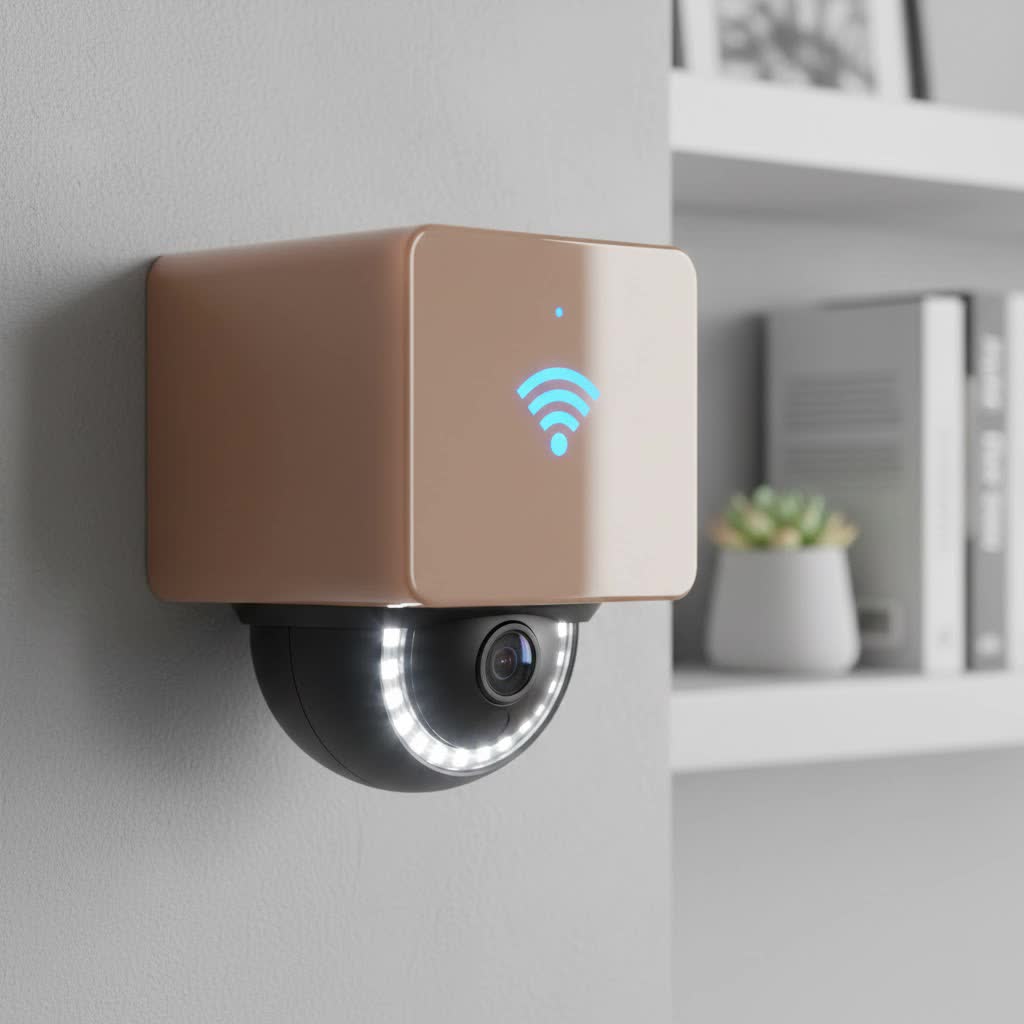
A wifi security camera system is a network of surveillance cameras that transmit video and audio data over your local wireless network (WiFi) to a central hub or directly to the cloud. Unlike traditional wired systems that require physical cables to connect each camera to a recording device, WiFi cameras only need a power source and a stable connection to your router. This fundamental difference makes them incredibly versatile and much easier to install for the average homeowner or small business owner.
The core components typically include:
- WiFi Cameras: One or more cameras equipped with WiFi antennas.
- Recording Device (Optional): Many systems use a Network Video Recorder (NVR) for local storage, while others rely entirely on cloud storage.
- Mobile App/Software: A user interface on your smartphone, tablet, or computer to view live feeds, access recordings, and manage settings.
Key Advantages of Choosing a WiFi System
Opting for a wifi security camera system comes with a host of benefits that make it an attractive choice for modern security needs. The primary advantage is the ease of installation. Without the need to run video cables through walls and ceilings, you can place cameras almost anywhere they can receive a WiFi signal and connect to a power outlet.
“The biggest leap forward in consumer security has been the shift to WiFi,” notes security analyst David Chen. “It democratized home surveillance, empowering users with tools that are not only powerful but also incredibly simple to deploy. The key is ensuring your network is as secure as your front door.”
Other significant benefits include:
- Flexibility and Scalability: Easily add more cameras to your system as your needs grow without worrying about available ports on a recorder.
- Remote Accessibility: View live footage and recorded clips from anywhere in the world using your smartphone.
- Smart Home Integration: Many WiFi cameras work seamlessly with platforms like Amazon Alexa and Google Assistant, allowing for voice commands and integration with other smart devices.
- Advanced Features: WiFi cameras often come packed with modern tech like AI-powered motion detection, two-way audio, and color night vision.
Essential Features to Look for in a WiFi Security Camera System
Not all WiFi camera systems are created equal. To find the right fit for your property, you need to evaluate several key features that directly impact performance, usability, and reliability.
Video Resolution: The Clarity That Counts
|
Our Picks for the Best Security Camera in 2026
As an Amazon Associate I earn from qualifying purchases.
|
||
| Num | Product | Action |
|---|---|---|
| 1 | Kasa Smart Indoor Pan-Tilt Home Security Camera, 1080p HD Dog Camera w/Night Vision, Motion Detection for Baby & Pet Monitor, Cloud & SD Card Storage, Works w/ Alexa & Google Home, 2.4G WiFi (EC71) |

|
| 2 | Tapo TP-Link 2K Pan/Tilt Indoor Security Camera for Baby Monitor, Pet Camera, Motion Detection & Tracking, 2-Way Audio, Cloud & SD Card Storage, Works w/Alexa & Google Home, Black, C211(2-Pack) |
|
| 3 | TP-Link Tapo 1080P Indoor Security Camera for Baby Monitor, Dog Camera w/Motion Detection, 2-Way Audio Siren, Night Vision, Cloud & SD Card Storage, Works w/Alexa & Google Home (Tapo C100) |
|
| 4 | REOLINK 4K PoE Security Camera System Wired, 8pcs 8MP PoE Cameras, Smart Person/Vehicle Detection, 16CH NVR with 4TB HDD, H.265, 24/7 Recording, High Bitrate & Clear Stream, RLK16-800D8 |
|
| 5 | WYZE Cam Pan v3 Indoor/Outdoor IP65-Rated 1080p Pan/Tilt/Zoom Wi-Fi Smart Home Security Camera with Color Night Vision, 2-Way Audio, Compatible with Alexa & Google Assistant, White, 2-Pack |
|
| 6 | Tapo 2K Pan/Tilt Security Camera for Baby Monitor, Dog Camera w/Motion Detection, 2-Way Audio Siren, Night Vision, Cloud&SD Card Storage, Works w/Alexa & Google Assistant, 2-Pack (Tapo C210P2) |
|
| 7 | WYZE Bulb Cam Security Camera, 2K HD Outdoor Light Bulb Camera, Color Night Vision, Dimmable LED Bulb, Motion Detection, Siren Alarm, Works w/Alexa/Google Assistant. Free Expert Support |
|
| 8 | WYZE Cam v4 (Latest Model), 2.5K AI Security Camera, Indoor/Outdoor Cameras for Home Security, Baby Monitor & Pet Camera, Vibrant Color Night Vision, No Subscription Required, Free Expert Help |
|
| 9 | Security Cameras Wireless Outdoor,2K Indoor WiFi Wireless Cameras,Outside Battery Powered Camera for Home Security,AI Motion Detection,Color Night Vision,Spotlight,Siren Alarm,SD/Cloud Storage,2 Pack |
|
| 10 | Security Cameras Wireless Outdoor-Solar&Battery Powered 2K 2.4G Cameras for Home Security, Instant Alert, AI Human Detection, Color Night Vision, 2-Way Talk, SD Storage, Work with Alexa, Z1 4P |
|
Resolution determines how clear and detailed your video footage will be. While older cameras offered 720p, the modern standard is 1080p (Full HD). For greater detail, consider systems with 2K or 4K Ultra HD resolution, which can make it easier to identify faces, license plates, and other critical details from a distance.
Night Vision: Your Eyes in the Dark
Security threats don’t stop when the sun goes down. Effective night vision is non-negotiable. There are two main types:
- Infrared (IR) Night Vision: Uses IR LEDs to illuminate the area, producing a black-and-white image. It’s discreet and effective.
- Color Night Vision: Uses ambient light or a small, built-in spotlight to record in full color at night, providing much more detail.
Field of View
The field of view (FoV) dictates how wide of an area a single camera can cover. A wider FoV, measured in degrees, means you’ll need fewer cameras to monitor a large space like a backyard or parking lot. Look for cameras with at least a 130-degree FoV for general-purpose use.
Motion Detection and Alerts
Modern systems have moved beyond simple motion detection. A quality wifi security camera system will feature smart detection that can differentiate between people, animals, vehicles, and general motion. This drastically reduces false alarms, ensuring you’re only notified about events that truly matter.
Storage Options: Cloud vs. Local
You need a place to store your video recordings. Systems offer two primary methods:
- Cloud Storage: Footage is uploaded to a secure remote server. This is safe from theft or damage to the local device but usually requires a monthly subscription fee.
- Local Storage: Video is saved to a microSD card in the camera or a central NVR. This is a one-time cost but can be vulnerable if a burglar steals the device.
Many systems offer a hybrid approach, giving you the best of both worlds.
How to Install Your WiFi Security Camera System
One of the most appealing aspects of a WiFi system is the straightforward, DIY-friendly installation process. While specifics vary by brand, the general steps are universal.
- Plan Your Camera Placement: Identify key entry points, vulnerable areas, and high-traffic zones. Before mounting, use the camera’s app to test the WiFi signal strength at each desired location. A weak signal will lead to unreliable performance.
- Mount the Cameras: Securely mount the cameras using the included hardware. Ensure they are positioned high enough to be out of easy reach and angled correctly to capture the desired view.
- Connect to Power: This is a crucial step. You have two main options:
- Plug-in Cameras: These require a nearby electrical outlet for continuous power.
- Battery-Powered (Wire-Free) Cameras: These offer maximum placement flexibility but require periodic recharging.
- Sync with the App: Download the manufacturer’s app on your smartphone. Follow the on-screen instructions to connect each camera to your WiFi network by scanning a QR code or entering your network credentials.
- Configure Your Settings: Once connected, customize motion detection zones, alert preferences, recording schedules, and video quality settings to match your needs.
Frequently Asked Questions (FAQ)
Can a WiFi security camera system work without the internet?
For most features, no. While a system with an NVR might continue to record locally if the internet goes down, you will lose the ability to view live feeds remotely, receive notifications, and access cloud recordings.
Are WiFi cameras secure and can they be hacked?
Like any connected device, they can be a target. To maximize security, always change the default password, enable two-factor authentication (2FA), use a strong and unique WiFi password, and keep your camera’s firmware updated.
How far can a WiFi camera be from the router?
This depends on your router’s strength and obstacles like walls. Generally, a camera should be within 50-150 feet of the router. For larger properties, you may need a WiFi mesh system or range extenders to ensure a stable connection.
Do WiFi cameras record continuously?
Some do, but it depends on the model and power source. Plug-in cameras are more likely to offer 24/7 continuous recording, while battery-powered cameras usually only record when motion is detected to conserve power.
Final Thoughts: Securing Your Property with Confidence
A wifi security camera system is a powerful and adaptable tool for safeguarding what matters most. By prioritizing key features like high-resolution video, smart motion detection, and secure storage, you can build a reliable surveillance network tailored to your exact needs. From the simple plug-and-play setup to the convenience of remote monitoring, these systems put comprehensive security right at your fingertips. Take the time to assess your property, evaluate your needs, and choose a system that delivers both performance and peace of mind.
