In today’s world, ensuring the safety of your home and business is more important than ever. A modern Security Camera system is one of the most effective tools for deterring crime and providing peace of mind. But with a dizzying array of options on the market, how do you choose the right one? This guide breaks down everything you need to know, from the different types of cameras and essential features to installation and maintenance. As the primary content creator for ydmrw.com, my goal is to demystify the technology and empower you to make an informed decision.
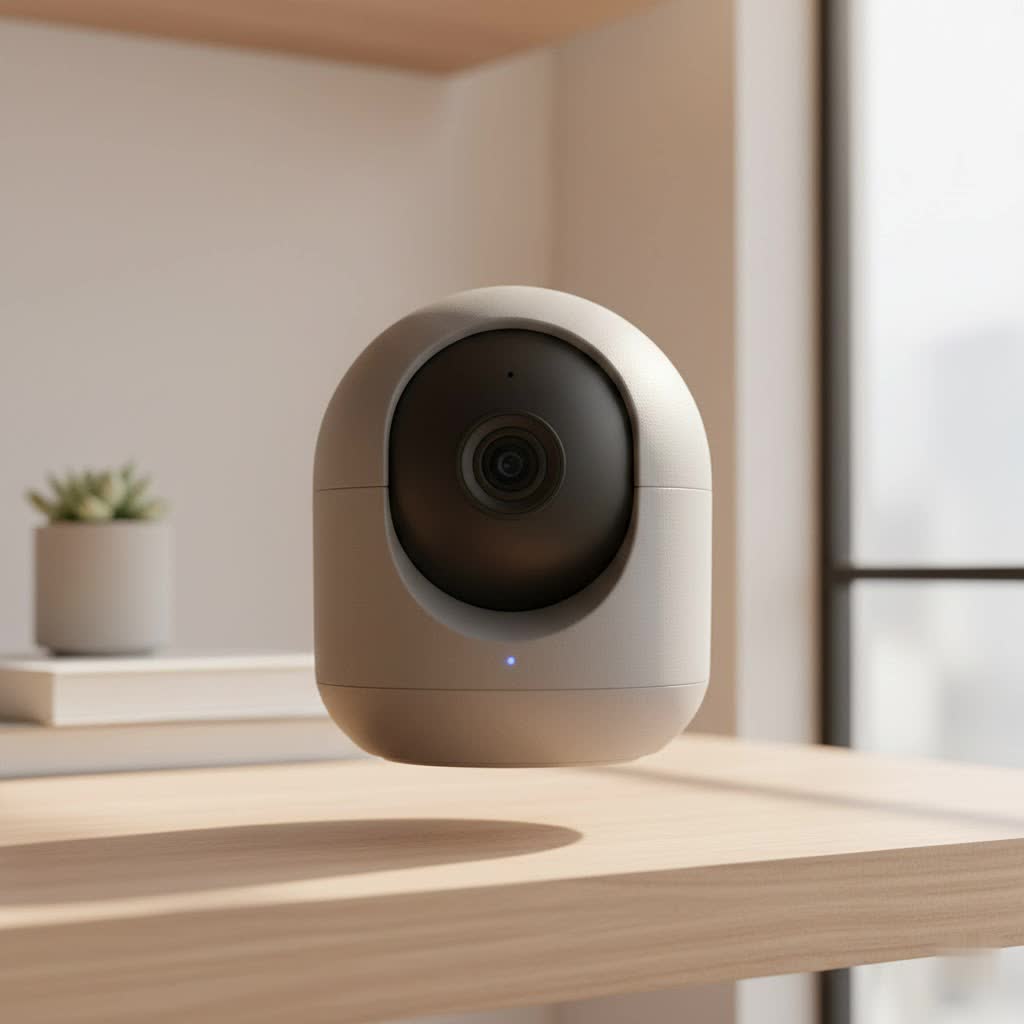
The Core Types of Security Cameras Explained
The first step in building your surveillance system is understanding the fundamental camera types available. Each has its own set of advantages and is suited for different applications.
IP (Internet Protocol) Cameras
An IP security camera is a digital camera that sends and receives data over an IP network. They offer superior image quality, advanced features, and greater flexibility compared to their analog counterparts.
- High Resolution: IP cameras can capture footage in high definition (HD), including 1080p, 4K, and even higher resolutions, providing crystal-clear images where you can easily identify faces and license plates.
- Advanced Features: They often come packed with features like Power over Ethernet (PoE), which allows a single Ethernet cable to provide both power and data connectivity, simplifying installation.
- Scalability: It’s easy to add more IP cameras to your network as your security needs grow.
|
Our Picks for the Best Security Camera in 2026
As an Amazon Associate I earn from qualifying purchases.
|
||
| Num | Product | Action |
|---|---|---|
| 1 | Tapo 2K Pan/Tilt Security Camera for Baby Monitor, Dog Camera w/Motion Detection, 2-Way Audio Siren, Night Vision, Cloud&SD Card Storage, Works w/Alexa & Google Assistant, 2-Pack (Tapo C210P2) |

|
| 2 | REOLINK 4K PoE Security Camera System Wired, 8pcs 8MP PoE Cameras, Smart Person/Vehicle Detection, 16CH NVR with 4TB HDD, H.265, 24/7 Recording, High Bitrate & Clear Stream, RLK16-800D8 |
|
| 3 | WYZE Cam v4 (Latest Model), 2.5K AI Security Camera, Indoor/Outdoor Cameras for Home Security, Baby Monitor & Pet Camera, Vibrant Color Night Vision, No Subscription Required, Free Expert Help |
|
| 4 | WYZE Bulb Cam Security Camera, 2K HD Outdoor Light Bulb Camera, Color Night Vision, Dimmable LED Bulb, Motion Detection, Siren Alarm, Works w/Alexa/Google Assistant. Free Expert Support |
|
| 5 | Tapo TP-Link 2K Pan/Tilt Indoor Security Camera for Baby Monitor, Pet Camera, Motion Detection & Tracking, 2-Way Audio, Cloud & SD Card Storage, Works w/Alexa & Google Home, Black, C211(2-Pack) |
|
| 6 | Security Cameras Wireless Outdoor,2K Indoor WiFi Wireless Cameras,Outside Battery Powered Camera for Home Security,AI Motion Detection,Color Night Vision,Spotlight,Siren Alarm,SD/Cloud Storage,2 Pack |
|
| 7 | TP-Link Tapo 1080P Indoor Security Camera for Baby Monitor, Dog Camera w/Motion Detection, 2-Way Audio Siren, Night Vision, Cloud & SD Card Storage, Works w/Alexa & Google Home (Tapo C100) |
|
| 8 | Kasa Smart Indoor Pan-Tilt Home Security Camera, 1080p HD Dog Camera w/Night Vision, Motion Detection for Baby & Pet Monitor, Cloud & SD Card Storage, Works w/ Alexa & Google Home, 2.4G WiFi (EC71) |
|
| 9 | Security Cameras Wireless Outdoor-Solar&Battery Powered 2K 2.4G Cameras for Home Security, Instant Alert, AI Human Detection, Color Night Vision, 2-Way Talk, SD Storage, Work with Alexa, Z1 4P |
|
| 10 | WYZE Cam Pan v3 Indoor/Outdoor IP65-Rated 1080p Pan/Tilt/Zoom Wi-Fi Smart Home Security Camera with Color Night Vision, 2-Way Audio, Compatible with Alexa & Google Assistant, White, 2-Pack |
|
Analog Cameras (CCTV)
Analog cameras are the traditional form of surveillance, capturing video and sending it over a coaxial cable to a Digital Video Recorder (DVR). While older technology, modern HD-over-coax systems have significantly improved their image quality.
- Cost-Effective: Analog systems are typically more budget-friendly, especially for larger installations where you already have existing coaxial wiring.
- Simplicity: They are generally simpler to set up and operate, making them a good choice for users who are less tech-savvy.
Wireless Cameras
Wireless cameras transmit video footage over a Wi-Fi network, offering unparalleled ease of installation. However, the term “wireless” can be a bit misleading.
“A common misconception is that wireless cameras are completely wire-free,” notes David Chen, a security professional with over two decades of experience. “While they transmit data wirelessly, they still require a power source, which usually means a cable running to a power outlet. The exception is battery-powered models, which offer true wire-free convenience but require periodic recharging.”
- Easy Installation: The lack of data cables makes them incredibly simple to install in almost any location within your Wi-Fi range.
- Flexibility: You can easily move them from one location to another without worrying about rewiring.
Key Features to Look for in a Security Camera
Once you’ve decided on a camera type, the next step is to compare features. These specifications will determine the performance and effectiveness of your system.
Resolution and Image Quality
Resolution dictates the clarity of your video footage. It’s measured in pixels, and a higher number means a sharper image.
- 1080p (Full HD): This is the industry standard and offers a good balance between quality and storage requirements. It’s suitable for most general home and small business surveillance.
- 4K (Ultra HD): Provides four times the pixels of 1080p, allowing for incredible detail and the ability to zoom in on distant objects without significant pixelation. This is ideal for covering large areas or when you need to capture fine details.
Field of View
The field of view (FoV) refers to the width of the area a camera can see, measured in degrees. A wider FoV means you can cover more area with a single camera. A camera with a 130-degree FoV, for instance, can capture a much broader scene than one with a 90-degree FoV. Consider using wide-angle cameras for open spaces and narrower-angle cameras for focusing on specific entry points like doors or windows.
Night Vision
The ability to see in the dark is a critical feature for any security camera. There are two main types of night vision:
- Infrared (IR) Night Vision: This is the most common type. The camera uses IR LEDs to illuminate the area, producing a black and white image. The effective range of IR night vision can vary, so check the specifications.
- Color Night Vision: More advanced cameras use highly sensitive sensors and supplemental lighting to produce full-color images in low-light conditions. This can provide crucial details, like the color of a person’s clothing or a vehicle.
Motion Detection and Alerts
Modern cameras don’t just record 24/7; they can intelligently detect motion and notify you. When movement is detected in a predefined zone, the camera can trigger an alert sent directly to your smartphone. Advanced systems even use AI to differentiate between people, vehicles, and animals to reduce false alarms.
Storage Options: Local vs. Cloud
You need a place to store your recorded footage.
- Local Storage: Footage is stored on a physical device on your property, such as a microSD card inside the camera, a DVR (for analog systems), or an NVR (Network Video Recorder for IP systems). This is a one-time cost with no monthly fees.
- Cloud Storage: Your video is uploaded to a remote server maintained by the camera manufacturer. This provides secure off-site backup but typically requires a monthly subscription fee.
How to Install Your Security Camera System
Proper installation is just as important as the quality of the camera itself. Strategic placement is key to maximizing coverage and deterrence.
- Plan Your Layout: Walk around your property and identify key vulnerabilities. Common placement areas include front doors, back doors, ground-floor windows, and driveways.
- Choose the Right Height: Install cameras high enough to be out of easy reach (around 8-10 feet off the ground) but not so high that you can’t capture clear facial details.
- Mind the Lighting: Avoid pointing cameras directly at the sun or other strong light sources, as this can cause glare and silhouetting, rendering your footage useless.
- Mount Securely: Follow the manufacturer’s instructions to securely mount the camera. For outdoor installations, ensure the camera is weatherproof (look for an IP rating of IP65 or higher).
- Run the Cables: For wired cameras, carefully run the cables back to your DVR/NVR or router. For wireless cameras, ensure you have a strong Wi-Fi signal at the installation point.
Configuring and Using Your Software
Most modern security camera systems are managed through a mobile app or desktop software. The setup process generally involves connecting the camera to your network and following the on-screen prompts in the app. Once configured, you can:
- View a live feed from any of your cameras.
- Review recorded footage from a timeline.
- Customize motion detection zones and sensitivity.
- Set up push notifications and email alerts.
- Share access with family members or employees.
Common Maintenance and Troubleshooting Tips
To keep your system running smoothly, perform regular maintenance:
- Clean the Lenses: Use a microfiber cloth to gently wipe away dust, dirt, and spiderwebs from the camera lens.
- Check Connections: Periodically ensure all power and data cables are securely connected.
- Verify Wi-Fi Signal: For wireless cameras, poor connectivity can cause dropped feeds. If you experience issues, you may need a Wi-Fi extender.
- Update Firmware: Manufacturers regularly release firmware updates to improve performance and patch security vulnerabilities. Always keep your cameras and software up to date.
Frequently Asked Questions (FAQ)
Can a security camera work without the internet?
Yes, many systems can function without an internet connection. Traditional CCTV systems connected to a DVR record locally and can be viewed on a dedicated monitor. However, you will lose the ability to view the feed remotely on your smartphone or receive alerts.
How much data does a security camera use?
The amount of data used depends on the camera’s resolution, frame rate, and how much it records. A 1080p camera recording continuously can use over 100GB of data per month. Cameras that only record on motion will use significantly less.
Are wireless security cameras completely wire-free?
Not always. Most “wireless” cameras still need to be plugged into a power outlet. Only battery-powered cameras are truly 100% wire-free, but they require periodic charging.
How long do security cameras store footage?
The storage duration depends on the size of your storage medium (microSD card, NVR hard drive) and your recording settings. A typical home system might store anywhere from a few days to several weeks of footage before it’s overwritten.
Is it legal to record audio with my security camera?
Audio recording laws vary significantly by location. In many places, it is illegal to record conversations without the consent of at least one, and sometimes all, parties involved. It’s crucial to check your local and state laws before enabling audio recording.
Choosing the right security camera is a critical step in protecting what matters most. By understanding the different types, features, and installation considerations, you can build a reliable surveillance system that provides both security and peace of mind. Take the time to assess your specific needs, and you’ll be well on your way to a safer home or business.
