Choosing the Best Indoor Security Camera can feel like navigating a maze of technical specs and endless options. As someone who has spent over 15 years in the security industry, I’ve seen these devices evolve from grainy, unreliable gadgets to incredibly smart home guardians. My goal here at ydmrw.com is to cut through the noise and help you find the perfect camera to give you peace of mind, whether you’re keeping an eye on your pets, checking in on your kids, or securing your property.
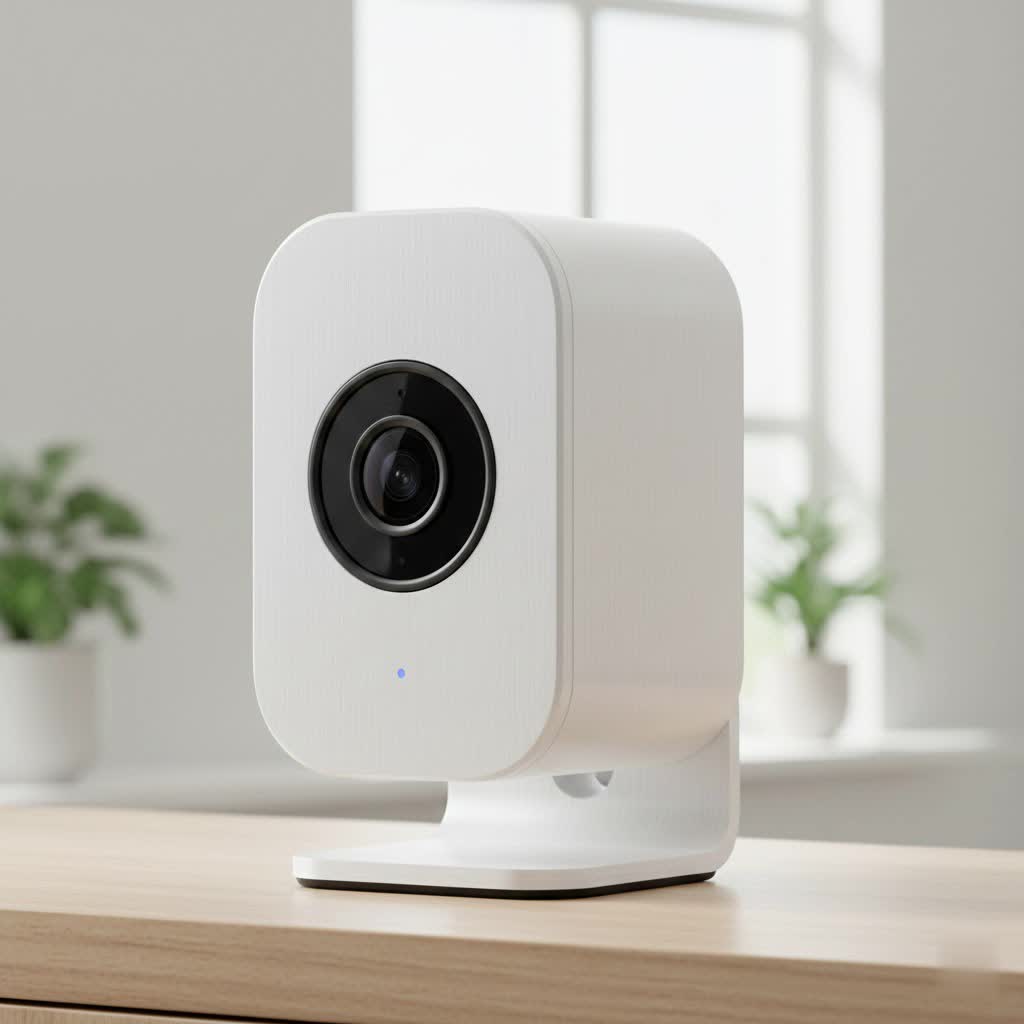
Finding the right fit isn’t about buying the most expensive model; it’s about understanding what features truly matter for your specific needs. Let’s break down the essential elements to consider before making a decision.
What to Look For in an Indoor Security Camera in 2025
The technology packed into these small devices is impressive. To make an informed choice, you need to understand the key features that differentiate a great camera from a merely good one.
Video Resolution: Is 1080p Enough Anymore?
Full HD (1080p) has long been the standard, and for general-purpose monitoring, it’s often sufficient. However, the industry is rapidly moving towards 2K and even 4K resolutions. The primary benefit of higher resolution is the ability to zoom in on recorded footage without it becoming a pixelated mess. This can be crucial for identifying a face or reading a license plate through a window.
- 1080p (Full HD): Good for general room monitoring.
- 2K (QHD): Offers a noticeable improvement in clarity and zoom capability.
- 4K (UHD): Provides the sharpest image, ideal for covering large spaces or when detail is paramount.
|
Our Picks for the Best Security Camera in 2026
As an Amazon Associate I earn from qualifying purchases.
|
||
| Num | Product | Action |
|---|---|---|
| 1 | Tapo TP-Link 2K Pan/Tilt Indoor Security Camera for Baby Monitor, Pet Camera, Motion Detection & Tracking, 2-Way Audio, Cloud & SD Card Storage, Works w/Alexa & Google Home, Black, C211(2-Pack) |

|
| 2 | WYZE Cam Pan v3 Indoor/Outdoor IP65-Rated 1080p Pan/Tilt/Zoom Wi-Fi Smart Home Security Camera with Color Night Vision, 2-Way Audio, Compatible with Alexa & Google Assistant, White, 2-Pack |
|
| 3 | Security Cameras Wireless Outdoor,2K Indoor WiFi Wireless Cameras,Outside Battery Powered Camera for Home Security,AI Motion Detection,Color Night Vision,Spotlight,Siren Alarm,SD/Cloud Storage,2 Pack |
|
| 4 | Kasa Smart Indoor Pan-Tilt Home Security Camera, 1080p HD Dog Camera w/Night Vision, Motion Detection for Baby & Pet Monitor, Cloud & SD Card Storage, Works w/ Alexa & Google Home, 2.4G WiFi (EC71) |
|
| 5 | WYZE Cam v4 (Latest Model), 2.5K AI Security Camera, Indoor/Outdoor Cameras for Home Security, Baby Monitor & Pet Camera, Vibrant Color Night Vision, No Subscription Required, Free Expert Help |
|
| 6 | Security Cameras Wireless Outdoor-Solar&Battery Powered 2K 2.4G Cameras for Home Security, Instant Alert, AI Human Detection, Color Night Vision, 2-Way Talk, SD Storage, Work with Alexa, Z1 4P |
|
| 7 | TP-Link Tapo 1080P Indoor Security Camera for Baby Monitor, Dog Camera w/Motion Detection, 2-Way Audio Siren, Night Vision, Cloud & SD Card Storage, Works w/Alexa & Google Home (Tapo C100) |
|
| 8 | Tapo 2K Pan/Tilt Security Camera for Baby Monitor, Dog Camera w/Motion Detection, 2-Way Audio Siren, Night Vision, Cloud&SD Card Storage, Works w/Alexa & Google Assistant, 2-Pack (Tapo C210P2) |
|
| 9 | REOLINK 4K PoE Security Camera System Wired, 8pcs 8MP PoE Cameras, Smart Person/Vehicle Detection, 16CH NVR with 4TB HDD, H.265, 24/7 Recording, High Bitrate & Clear Stream, RLK16-800D8 |
|
| 10 | WYZE Bulb Cam Security Camera, 2K HD Outdoor Light Bulb Camera, Color Night Vision, Dimmable LED Bulb, Motion Detection, Siren Alarm, Works w/Alexa/Google Assistant. Free Expert Support |
|
Field of View and Pan-Tilt-Zoom (PTZ)
A camera’s field of view determines how much of a room it can see at once. A wider angle (130 degrees or more) is excellent for covering a large area from a corner. For complete coverage, however, nothing beats a Pan-Tilt-Zoom (PTZ) camera. These models can rotate horizontally (pan) and vertically (tilt), often providing a full 360-degree view that you can control from your phone.
Local vs. Cloud Storage: The Subscription Dilemma
This is one of the most critical decisions you’ll make. How your camera stores video footage directly impacts its long-term cost and your privacy.
- Cloud Storage: Your video clips are uploaded to the manufacturer’s servers. This is convenient and secure from physical theft, but it almost always requires a monthly subscription fee. These fees unlock not just storage but often advanced features like smart alerts.
- Local Storage: The camera records footage to a microSD card. This is a one-time cost, and you avoid monthly fees. The downside is that if a burglar steals the camera, they take the evidence with them.
Many modern cameras now offer both options, giving you the flexibility to choose what works best for your budget and comfort level.
Smart Detection: People, Pets, and Packages
In the early days, indoor cameras triggered an alert for any movement—a shadow, a curtain blowing, or your cat chasing a toy. This led to “alert fatigue.” Modern cameras use artificial intelligence (AI) to differentiate between significant and insignificant events. Look for models that can specifically detect:
- People
- Pets
- Vehicles
- Specific sounds (like a baby crying or glass breaking)
This intelligence makes your notifications far more meaningful and actionable.
Night Vision: Seeing Clearly in the Dark
All security cameras have night vision, but the quality can vary. Most use infrared (IR) LEDs, which produce a clear black-and-white image. Some higher-end models now offer color night vision, which uses ambient light or a small built-in spotlight to record in full color, providing much more detail after dark.
Privacy Features: Your Home is Your Castle
Placing a camera inside your home requires trust. Leading manufacturers understand this and have built-in features to protect your privacy. A physical privacy shutter that physically covers the lens when you’re home is one of the best features you can look for. Another is geofencing, which automatically turns the camera off when it detects your smartphone is at home and turns it back on when you leave.
“The conversation around indoor cameras has rightfully shifted from just security to security and privacy. A camera should protect you from the outside world without making you feel exposed in your own home. Features like physical shutters and end-to-end encryption are no longer luxuries; they are necessities.”
— Jonathan Carter, Home Security Analyst
Our Top Picks: The Best Indoor Security Cameras of 2025
After extensive testing and review, here are our top recommendations based on performance, value, and features.
Best Overall: Google Nest Cam (2nd Gen)
The Google Nest Cam is a powerhouse of smart technology and user-friendly design. It delivers crisp 1080p video, has some of the most intelligent person, pet, and vehicle detection on the market, and offers three hours of free event video history without a subscription. Its seamless integration with the Google Home ecosystem makes it a brilliant choice for those already invested in Google’s smart home products.
Best for Pan-and-Tilt Coverage: Eufy Indoor Cam S350
Eufy has changed the game with the S350. This camera features a unique dual-lens system: one 4K wide-angle lens and a second 2K telephoto lens. This combination allows for incredible clarity and a powerful 8x hybrid zoom. With 360-degree panning, AI-powered subject tracking, and the option for local microSD storage, it offers comprehensive coverage without mandatory monthly fees.
Best Budget Camera: TP-Link Tapo C210
The TP-Link Tapo C210 proves that you don’t need to spend a fortune to get high-quality surveillance. For a very low price, you get a sharp 2K resolution, pan-and-tilt functionality, decent night vision, and local storage via a microSD card. While it may lack the advanced AI of more expensive models, its performance and feature set are unbeatable for the price.
Best for Local Storage (No Subscription): Aqara Camera Hub G3
The Aqara G3 is more than just a camera; it’s also a Zigbee smart home hub. It’s an excellent choice for those who want to build a broader smart home system. It offers sharp 2K video, pan-and-tilt with AI tracking, and robust local storage options. Critically, it supports Apple HomeKit Secure Video, giving Apple users a secure, private way to store and view their footage.
Best for Privacy Conscious Users: Blink Mini 2
The Blink Mini 2 is a compact, affordable, and versatile camera. While it requires a cloud subscription for most features, its real strength for privacy lies when paired with the Blink Sync Module 2. This add-on allows you to save video clips locally, giving you more control over your data. Its small size makes it easy to place discreetly anywhere in your home.
Frequently Asked Questions (FAQ)
Where is the best place to put an indoor camera?
The best location is in a corner of a main living area or hallway, mounted high on a wall or shelf. This vantage point provides the widest possible view and makes the camera more difficult for an intruder to reach. Avoid pointing it directly at windows, as the bright light can wash out the image.
Do indoor security cameras constantly record?
It depends on the camera and your settings. Most modern cameras record only when motion is detected to save storage space and make it easier to find important events. Some, however, offer a 24/7 continuous video recording (CVR) option, which usually requires a premium cloud subscription and a wired power source.
Can someone hack my indoor security camera?
While no internet-connected device is 100% un-hackable, you can take crucial steps to secure your camera. Always use a strong, unique password for your account, enable two-factor authentication (2FA), and buy from reputable brands that release regular security updates for their firmware.
Can I use an outdoor camera inside?
Yes, you can absolutely use an outdoor-rated camera indoors. They are built to be more durable and weather-resistant, but they function perfectly well inside. However, they are often larger and more expensive than their indoor-only counterparts, so it’s usually more practical to buy a dedicated indoor model.
Your First Line of Defense
An indoor security camera is one of the most powerful and affordable tools for home security available today. By focusing on the features that matter most to you—whether it’s crystal-clear 4K resolution, the freedom of local storage, or the assurance of a physical privacy shutter—you can find the perfect device to watch over your home. Take the time to assess your space, consider your budget, and choose a camera that brings you not just security, but true peace of mind.
