Have you ever needed to keep an eye on a property, but realized with a sinking feeling that there’s no Wi-Fi connection? Maybe it’s a construction site you’re managing, a remote farm building, a boat docked at a marina, or a vacation cabin tucked away in the woods. For years, this lack of internet access meant leaving your valuable assets vulnerable. Traditional security cameras are useless without a router, but that’s where a 4g Security Camera completely changes the game. This guide, drawing on over 15 years of hands-on experience in the security industry, will walk you through everything you need to know.
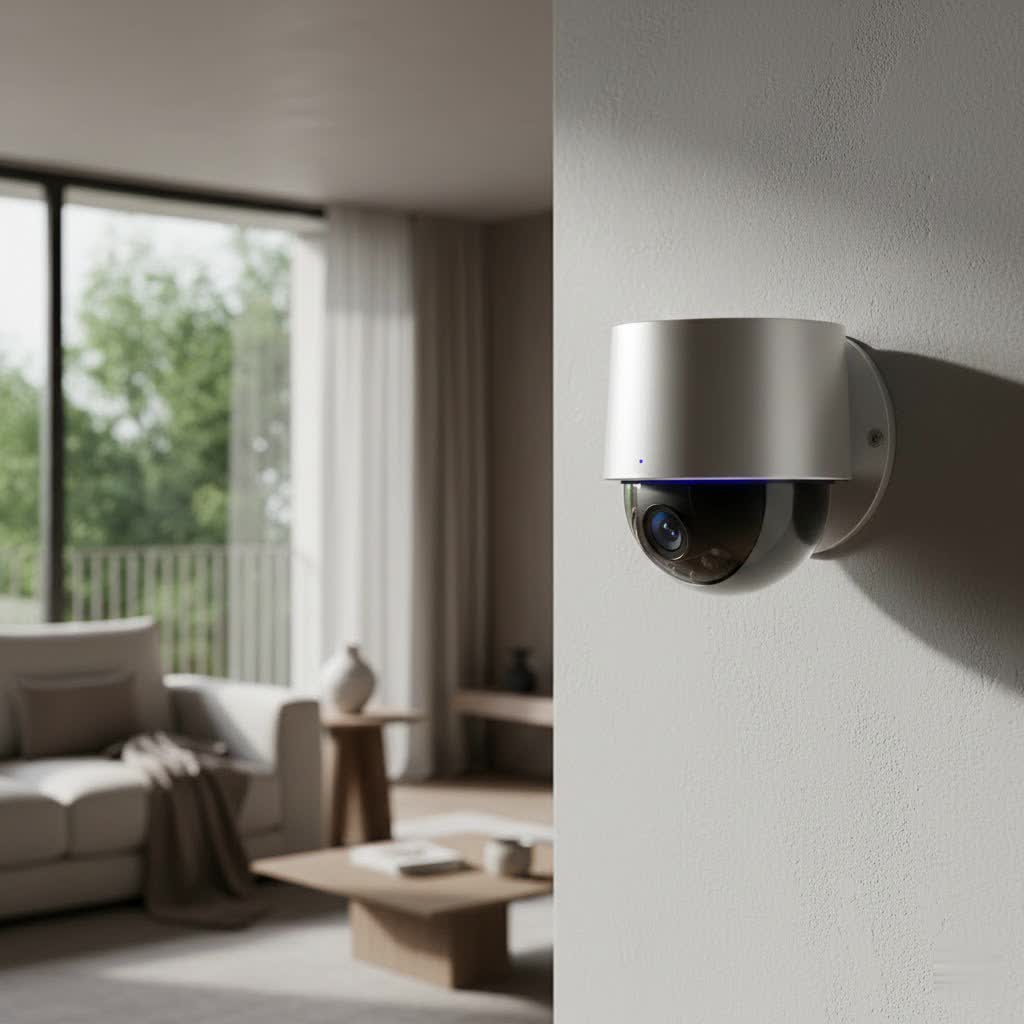
What Exactly is a 4G Security Camera?
In simple terms, a 4G security camera is a surveillance device that connects to the internet using the same cellular network as your smartphone. While a standard Wi-Fi camera needs to be within range of a local router, a 4G camera has its own internet connection built right in. It operates independently, using a SIM card to transmit video footage over a 4G LTE network. This single difference unlocks the freedom to install a security camera virtually anywhere a cell signal is available.
How Do These Cameras Actually Work?
The technology behind a 4G security camera is robust, yet surprisingly straightforward for the user. It boils down to a simple three-step process that allows you to go from unboxing to live-streaming in minutes.
1. The SIM Card: The Camera’s Lifeline
|
Our Picks for the Best Security Camera in 2026
As an Amazon Associate I earn from qualifying purchases.
|
||
| Num | Product | Action |
|---|---|---|
| 1 | Tapo TP-Link 2K Pan/Tilt Indoor Security Camera for Baby Monitor, Pet Camera, Motion Detection & Tracking, 2-Way Audio, Cloud & SD Card Storage, Works w/Alexa & Google Home, Black, C211(2-Pack) |

|
| 2 | REOLINK 4K PoE Security Camera System Wired, 8pcs 8MP PoE Cameras, Smart Person/Vehicle Detection, 16CH NVR with 4TB HDD, H.265, 24/7 Recording, High Bitrate & Clear Stream, RLK16-800D8 |
|
| 3 | TP-Link Tapo 1080P Indoor Security Camera for Baby Monitor, Dog Camera w/Motion Detection, 2-Way Audio Siren, Night Vision, Cloud & SD Card Storage, Works w/Alexa & Google Home (Tapo C100) |
|
| 4 | Tapo 2K Pan/Tilt Security Camera for Baby Monitor, Dog Camera w/Motion Detection, 2-Way Audio Siren, Night Vision, Cloud&SD Card Storage, Works w/Alexa & Google Assistant, 2-Pack (Tapo C210P2) |
|
| 5 | Security Cameras Wireless Outdoor,2K Indoor WiFi Wireless Cameras,Outside Battery Powered Camera for Home Security,AI Motion Detection,Color Night Vision,Spotlight,Siren Alarm,SD/Cloud Storage,2 Pack |
|
| 6 | WYZE Bulb Cam Security Camera, 2K HD Outdoor Light Bulb Camera, Color Night Vision, Dimmable LED Bulb, Motion Detection, Siren Alarm, Works w/Alexa/Google Assistant. Free Expert Support |
|
| 7 | WYZE Cam v4 (Latest Model), 2.5K AI Security Camera, Indoor/Outdoor Cameras for Home Security, Baby Monitor & Pet Camera, Vibrant Color Night Vision, No Subscription Required, Free Expert Help |
|
| 8 | Kasa Smart Indoor Pan-Tilt Home Security Camera, 1080p HD Dog Camera w/Night Vision, Motion Detection for Baby & Pet Monitor, Cloud & SD Card Storage, Works w/ Alexa & Google Home, 2.4G WiFi (EC71) |
|
| 9 | WYZE Cam Pan v3 Indoor/Outdoor IP65-Rated 1080p Pan/Tilt/Zoom Wi-Fi Smart Home Security Camera with Color Night Vision, 2-Way Audio, Compatible with Alexa & Google Assistant, White, 2-Pack |
|
| 10 | Security Cameras Wireless Outdoor-Solar&Battery Powered 2K 2.4G Cameras for Home Security, Instant Alert, AI Human Detection, Color Night Vision, 2-Way Talk, SD Storage, Work with Alexa, Z1 4P |
|
Just like your phone, every 4G camera contains a SIM card slot. You’ll need to activate a data-only SIM card from a cellular provider (like AT&T, T-Mobile, or Verizon in the US). This card gives the camera its unique connection to the provider’s network, allowing it to send and receive data.
2. The Cellular Connection: Talking to the Tower
Once the SIM card is inserted, the camera’s internal 4G modem automatically finds and connects to the nearest compatible cell tower. There are no Wi-Fi passwords to enter or complex network configurations to worry about. As a general rule, if your cell phone gets a decent signal at the location, the camera will too.
3. The App: Your Window to the World
After establishing a connection, the camera communicates with a secure cloud server. This allows you to use a dedicated smartphone app to access a live video feed, review recorded clips, and receive instant motion alerts from anywhere in the world. It effectively puts the control room right in your pocket.
“The advent of reliable 4G security cameras has been a true revolution for site security. We can now deploy high-definition surveillance in locations that were previously impossible to monitor, like new housing developments or rural storage facilities, without waiting for wired infrastructure. It’s a level of flexibility and speed we just didn’t have a decade ago.”
— John Carter, Lead Technician at Ydmrw
Key Features to Look for in a 4G Security Camera
Not all 4G cameras are created equal. When you’re ready to choose a model, here are the critical features you should compare to ensure you get a device that truly meets your security needs.
Video Resolution
Look for a camera that offers at least 1080p (Full HD) resolution. Higher resolution provides clearer, more detailed images, which is crucial for identifying faces, license plates, or other important details. Some newer models even offer 2K or 4K resolution for superior clarity.
Power Source
Since these cameras are often used off-grid, the power source is a vital consideration.
- Battery-Powered: Most 4G cameras run on rechargeable batteries. Check the battery’s capacity (measured in mAh) to gauge how long it can last on a single charge.
- Solar-Powered: For a truly set-and-forget solution, choose a camera that comes with a solar panel. A small solar panel can provide continuous power to the battery, ensuring the camera operates indefinitely without manual recharging, even on cloudy days.
Night Vision
Security threats don’t stop when the sun goes down. Ensure your camera has capable night vision. There are two main types: infrared (IR), which produces black-and-white images, and color night vision, which uses advanced sensors and spotlights to capture footage in full color.
Motion Detection
Modern 4G cameras use a PIR (Passive Infrared) sensor to detect motion from heat sources like people and animals. This is far more accurate than older pixel-based detection and significantly reduces false alerts from things like falling leaves or shadows. Advanced systems can even distinguish between people, vehicles, and pets.
Storage Options
You need a way to save and review footage. Look for cameras that offer both:
- Local Storage: A microSD card slot allows you to record video directly onto the camera, even if the cellular connection is temporarily lost.
- Cloud Storage: An optional subscription service that securely uploads your recordings to the cloud. This protects your footage from being lost if the camera is stolen or damaged.
Weather Resistance
If the camera is going outdoors, it must be durable. Look for an IP rating of IP65 or higher. This ensures the camera is protected against dust, rain, and other environmental elements.
FAQs: Answering Your Top Questions
How much data does a 4G security camera use?
This is a common concern, but it’s less than you might think. These cameras are designed to conserve data. They use almost no data when in standby mode and only transmit when you view the live feed or when motion is detected and a recording is uploaded. For typical use, a data plan of 2-5 GB per month is often sufficient.
Do 4G security cameras work during a power outage?
Yes. Because they are typically battery-powered and don’t rely on a local Wi-Fi router (which would lose power), 4G cameras continue to operate perfectly during a power outage, providing an extra layer of security when you need it most.
Can I use any SIM card?
You’ll need a data-only plan from a provider that has good coverage in the area you plan to monitor. Some camera manufacturers have partnerships with specific carriers or offer their own SIM cards for convenience.
Is the video feed secure?
Reputable manufacturers use encryption to secure the video stream between the camera, the cloud server, and your smartphone app. This prevents unauthorized access to your footage.
Are 4G cameras more expensive than Wi-Fi cameras?
The initial hardware cost can be slightly higher due to the built-in cellular modem. You also have the ongoing cost of the monthly data plan for the SIM card. However, this cost is often offset by the fact that you don’t need to pay for a dedicated internet line at a remote location.
Is a 4G Security Camera Right for You?
A 4G security camera is the ideal solution for anyone needing reliable surveillance in a location without a stable Wi-Fi or wired internet connection. They offer unparalleled flexibility and are remarkably easy to install and operate. Whether you’re securing a construction site, monitoring livestock on a farm, protecting a vacant property, or just wanting to keep an eye on your RV, these devices provide the peace of mind that was once impossible. By choosing a camera with the right features, you can build a powerful and independent security system that keeps you connected, no matter where you are.
